
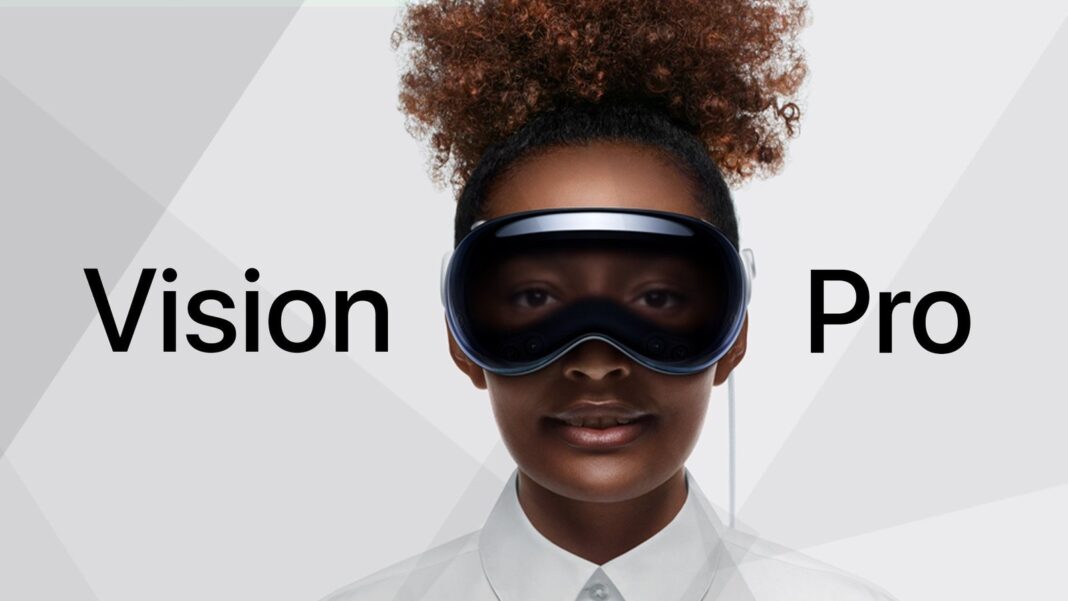


Apple’s much-hyped Vision Pro headset has been making waves in the tech world, but not necessarily for the right reasons. Recent reports suggest that the tech giant has slashed production of the device due to disappointing sales figures. As an entertainment insider, I’m always on the lookout for the latest trends and insights in the world of tech, and this development has got me intrigued. Let’s dive into the details and explore what’s behind Apple’s decision to scale back production.
The Numbers Don’t Lie: Poor Sales Figures
According to a report by Sensor Tower, Apple reduced marketing for Vision Pro by a whopping 95% last year, which is a clear indication that the company is scaling back its efforts to promote the device. But what’s even more telling is the sales data. IDC estimates that Apple sold a mere 45,000 Vision Pro headsets in the last quarter of last year, which is a paltry number considering the hype surrounding the product.
The high price point of the Vision Pro headset is likely a major contributor to the poor sales figures. With a starting price of $3,499 for the 256GB model, and prices going up to $3,899 for the 1TB version, it’s clear that this is a premium product aimed at a niche audience. And if you’re looking to customize it further, be prepared to shell out even more cash – additional costs, such as Zeiss optical inserts, can bring the total price to over $4,000.
To put this into perspective, the Meta Quest 3S headset is available for as low as $249.99, making it a much more affordable alternative to the Vision Pro. It’s no surprise that the significant price difference between the two devices is likely a major factor in the poor sales of Apple’s product.
Production Cuts and Marketing Pullback
It’s not just the sales figures that are telling – Apple’s production and marketing efforts are also being scaled back. According to reports, Luxshare, Apple’s Chinese producer, has stopped production of the headset at the start of 2025. This is a clear indication that Apple is reducing its production plans for the Vision Pro.
The marketing pullback is also significant, with Apple not expanding direct sales of Vision Pro beyond 13 countries. This limited geographical reach is likely a factor in the poor sales figures, as it restricts the product’s visibility and availability to a wider audience.
The Price Factor: Is it Just Too Expensive?
The high price point of the Vision Pro headset is a major concern, and it’s not just the initial cost that’s the issue. The additional costs, such as the Zeiss optical inserts, can add up quickly, making it even more expensive. With more affordable alternatives like the Meta Quest 3S available, it’s clear that Apple is facing a tough challenge in convincing consumers to part with their hard-earned cash.
As the VR market continues to evolve, it’s clear that Apple is facing a tough road ahead with the Vision Pro headset. With production cuts and marketing pullback, it’s clear that the company is rethinking its strategy. But what’s next for Apple, and how will it respond to the challenges facing the Vision Pro? Stay tuned for the next part of this article, where we’ll explore the implications of these developments and what’s on the horizon for Apple’s VR ambitions.
Impact on the VR Market and Competitors
The disappointing sales figures for the Apple Vision Pro headset have significant implications for the VR market as a whole. With Apple’s reputation for innovation and disruption, the Vision Pro was expected to shake up the industry. Instead, the device’s poor sales have given competitors like Meta a chance to breathe a sigh of relief. The Meta Quest 3S headset, in particular, is looking like a strong contender in the VR market, with its affordable price point and robust feature set. For more on this topic, see: Apple Slashes Vision Pro Production .
| VR Headset | Starting Price | Storage |
|---|---|---|
| Apple Vision Pro | $3,499 | 256GB |
| Meta Quest 3S | $249.99 | 128GB |
As the VR market continues to evolve, it’s clear that price will be a major factor in determining which devices succeed. Apple’s decision to scale back production of the Vision Pro headset may be a sign that the company is rethinking its strategy for the VR market. Will other manufacturers follow suit, or will they seize the opportunity to gain ground on Apple? For more information on the VR market, check out the IDC website for the latest research and analysis.
What’s Next for Apple?
With production of the Vision Pro headset grinding to a halt, it’s unclear what’s next for Apple in the VR space. The company has a history of innovating and iterating on its products, so it’s possible that we’ll see a revamped version of the Vision Pro in the future. For now, it seems that Apple is focusing on refining its existing product line rather than pushing forward with new releases. According to a report by Sensor Tower, Apple’s reduction in marketing efforts for the Vision Pro headset is a clear indication that the company is reassessing its priorities.
Luxshare, Apple’s Chinese producer, has stopped production of the headset at the start of 2025, which suggests that Apple is not planning to release any new versions of the device in the near future. It’s also worth noting that Apple has not expanded direct sales of Vision Pro beyond 13 countries, which may be limiting its market reach. For more information on Apple’s manufacturing partners, check out the Luxshare website.
A Lesson in Market Dynamics
The story of the Apple Vision Pro headset serves as a reminder of the importance of market dynamics in determining the success of a product. Despite its innovative features and sleek design, the Vision Pro headset was ultimately undone by its high price point and limited market appeal. As the tech industry continues to evolve, companies will need to be more mindful of market trends and consumer preferences if they want to stay ahead of the curve.
The case of the Vision Pro headset is a valuable lesson in the importance of balancing innovation with market reality. As we look to the future, it’s clear that the VR market will continue to be shaped by a complex interplay of factors, including price, features, and market demand. For a deeper dive into the world of VR and its applications, check out the Wikipedia page on virtual reality.
The tech world is constantly changing, and companies that fail to adapt risk being left behind. Apple’s decision to scale back production of the Vision Pro headset may be a sign of the times, and a reminder that even the biggest players in the industry need to stay agile and responsive to changing market conditions.