


Get ready for a treasure trove of beloved classics! As we count down to January 1, 2026, a slew of iconic characters and works from 1930 are set to enter the public domain, making them free to use, share, and adapt. This means that legendary characters like Nancy Drew and Betty Boop will soon be up for grabs, and we’re diving into the exciting implications of this shift.
Beloved Characters Take Center Stage
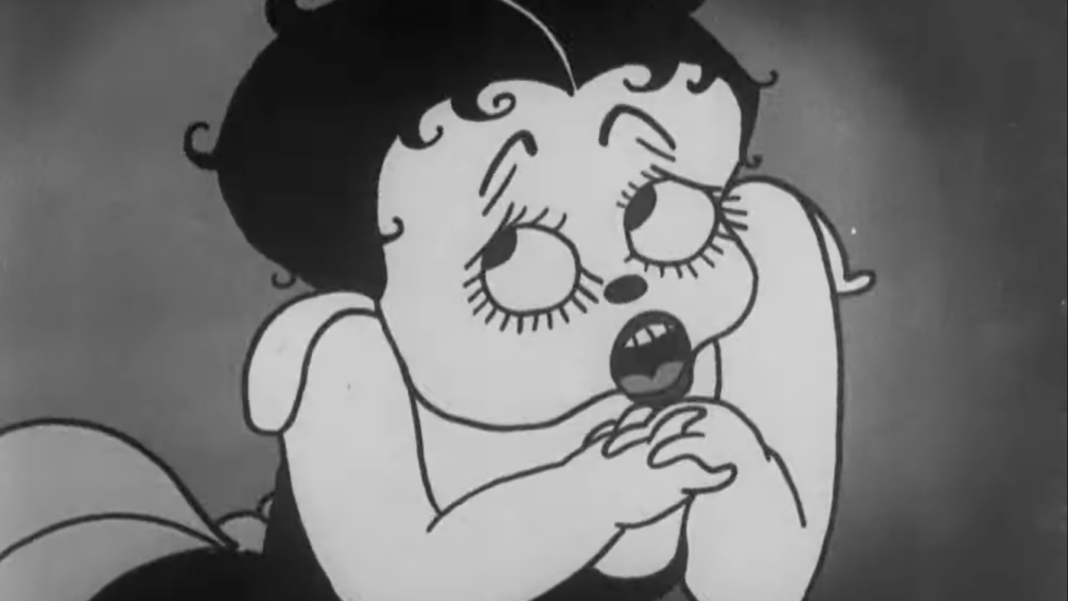
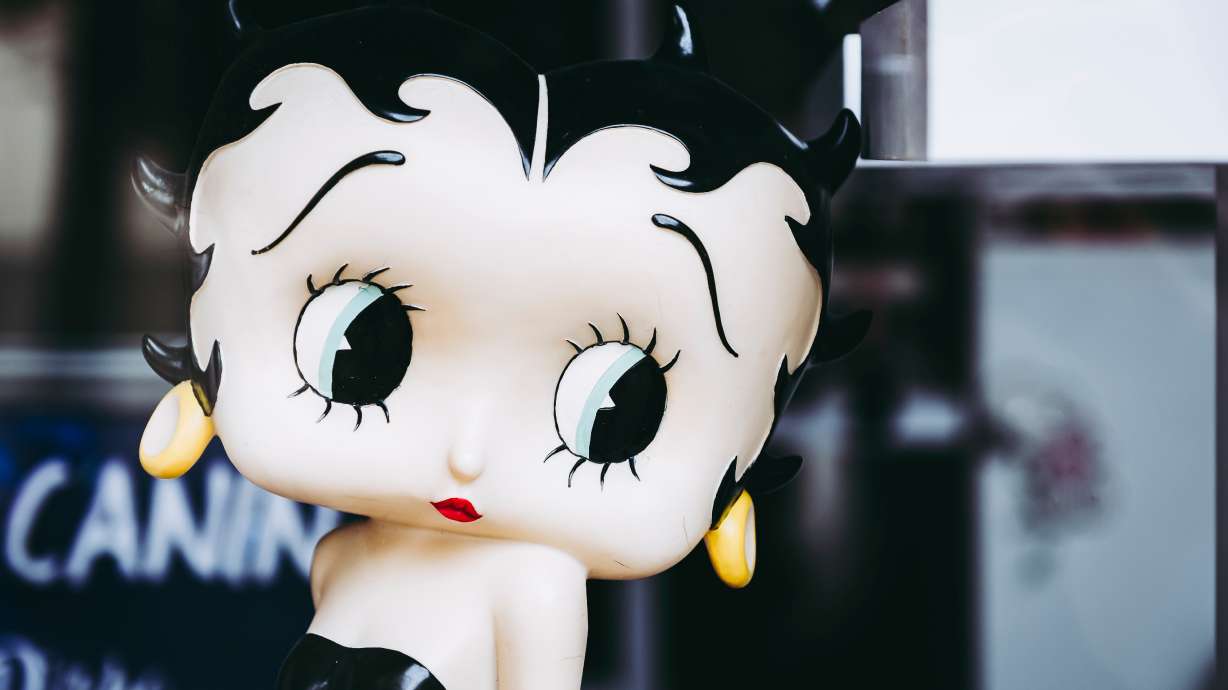
The original Betty Boop, one of the most recognizable cartoon characters of the 1930s, will be among the notable works entering the public domain in 2026. This sassy, jazz-age cartoon star has captivated audiences for generations, and her “boop-boop-a-doop” singing style has become an iconic part of pop culture. The first version of Disney’s Pluto, another beloved character, will also enter the public domain, giving creators a chance to reimagine and reinterpret these classic characters.
Nancy Drew, the teenage detective created by Carolyn Keene, will also become public domain, specifically the first four books of the series, including the debut novel “The Secret of the Old Clock”. This means that fans and creators will be able to access and rework these early stories, potentially introducing the character to a new generation. The original Nancy Drew will be free to be reimagined in new adaptations, films, and TV shows, offering a fresh take on the classic character.
These iconic characters have been cultural touchstones for decades, and their entry into the public domain will undoubtedly spark a new wave of creativity. With the copyright on these characters expiring, creators will be able to put their own spin on these beloved characters, potentially leading to new adaptations, reinterpretations, and reimaginings.
Literary Classics Get a Second Chance
The public domain influx isn’t limited to just characters; a range of literary classics from 1930 will also become freely available. William Faulkner’s “As I Lay Dying”, a Modernist masterpiece, will enter the public domain, as will Dashiell Hammett’s “The Maltese Falcon”, a pioneering work of hard-boiled detective fiction. Agatha Christie’s “The Murder at the Vicarage” will also be freed from copyright, allowing readers and scholars to engage with these works without restriction.
The entry of these literary classics into the public domain will be a boon for scholars, researchers, and readers alike. With the copyright on these works expiring, they will be free to be studied, adapted, and reinterpreted in new and innovative ways. This could lead to a resurgence of interest in these classic works, as well as new insights and perspectives on the authors and their writing.
Impact on Creators and Cultural Organizations
The influx of new public domain works will have a significant impact on creators, community theaters, schools, and cultural organizations. With access to a wealth of new material, these groups will be able to draw upon a rich cultural heritage, using these classic works to inspire new creations. Community theaters, for example, will be able to stage productions of “The Maltese Falcon” or “The Murder at the Vicarage” without needing to secure licensing agreements, making it easier to bring these classic stories to life.
The public domain works will also provide a valuable resource for schools and cultural organizations, allowing them to engage with and celebrate these classic works. As we count down to 2026, the possibilities are endless, and we’re excited to see how creators and cultural organizations will respond to this influx of new public domain works. The freedom to adapt and reinterpret these beloved classics will undoubtedly lead to a new wave of creativity, and we’ll be keeping a close eye on the exciting developments that emerge.
The Impact on Creators and Industries

The entry of these beloved classics into the public domain is expected to have a significant impact on creators and industries. With the copyright on these characters and works expiring, creators will be able to access and build upon these classic stories, potentially leading to new adaptations, reinterpretations, and reimaginings. This could be a game-changer for filmmakers, writers, and artists who have been inspired by these iconic characters.
For example, the reimagining of Nancy Drew has already been done in various forms, but with the original stories entering the public domain, creators will have the freedom to put their own spin on the character without being bound by existing copyright restrictions. This could lead to a new wave of Nancy Drew adaptations, films, and TV shows that cater to modern audiences.
Similarly, the original Betty Boop cartoons will be available for creators to rework and reinterpret. This could lead to a resurgence in interest in these classic cartoons, as well as the creation of new content that pays homage to the original character. The possibilities are endless, and it’s exciting to think about how creators will choose to reimagine these beloved characters.
A Boon for Education and Community Theaters

The public domain influx will also be a boon for education and community theaters. With the copyright on these works expiring, schools and community theaters will be able to access and perform these classic works without needing to obtain licensing agreements. This will make it easier for students and amateur performers to engage with these iconic stories and characters.
| Notable Works Entering Public Domain | Author/Creator | Original Release Year |
|---|---|---|
| Nancy Drew: The Secret of the Old Clock | Carolyn Keene | 1930 |
| Better Boop | Kemp R. Roach | 1930 |
| As I Lay Dying | William Faulkner | 1930 |
| The Maltese Falcon | Dashiell Hammett | 1930 |
This will be especially beneficial for community theaters, which often struggle to obtain the rights to perform popular works. With these classic works entering the public domain, community theaters will be able to access a wealth of material that they can use to create new productions. For more on this topic, see: Beloved Classics Free: Nancy Drew, .
The Future of Intellectual Property
The entry of these beloved classics into the public domain also raises interesting questions about the future of intellectual property. The fact that these works are entering the public domain after 95 years highlights the tension between creators’ rights and the public’s interest in accessing and building upon existing works.
As we move forward, it’s likely that we’ll see a continued push for copyright reform, as creators and industries grapple with the balance between protecting intellectual property and allowing for the free flow of ideas. The public domain influx of 2026 will provide a valuable case study for these debates, highlighting the benefits and challenges of allowing classic works to enter the public domain.
For more information on the public domain and copyright law, check out the U.S. Copyright Office and Wikipedia’s article on public domain.
In my perspective, the entry of Nancy Drew, Betty Boop, and other beloved classics into the public domain is a cause for celebration. It represents a unique opportunity for creators to engage with these iconic characters and works, and for the public to access and build upon our shared cultural heritage. As we look to the future, it’s exciting to think about the new adaptations, reinterpretations, and reimaginings that will emerge from this public domain influx. With the works of 1930 entering the public domain, we can expect to see a surge in creative output, as well as a renewed interest in these classic characters and stories. By embracing this shift, we can ensure that these beloved classics continue to inspire and entertain audiences for generations to come.