
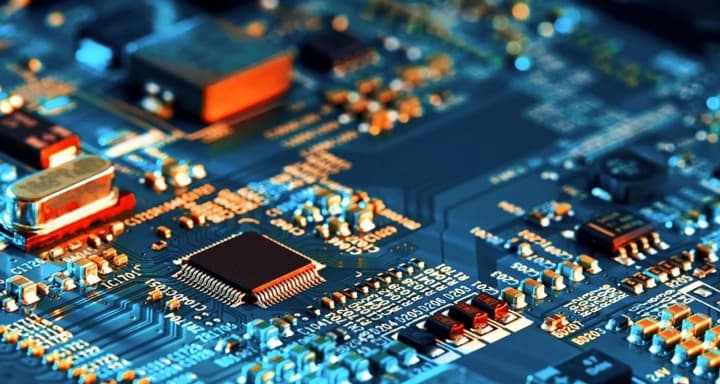


The global chip shortage has been making headlines for months, and the latest development is a 20% price hike across the industry. As a tech-savvy reporter, I’ve been following this story closely, and it’s clear that the shortage is having far-reaching consequences. The chip shortage is not just a matter of supply and demand; it’s a complex issue involving semiconductor manufacturing, global trade, and technological advancements.
The Root Cause of the Chip Shortage
The COVID-19 pandemic triggered a surge in demand for electronics, from laptops and smartphones to gaming consoles and home appliances. As people worked and entertained themselves from home, the need for semiconductor chips skyrocketed. However, the global chip manufacturing capacity couldn’t keep up with the sudden increase in demand. According to industry insiders, the pandemic exposed weaknesses in the global supply chain, including a reliance on a few key manufacturers and a lack of investment in new production capacity.
The chip shortage is further complicated by the complexity of modern semiconductor manufacturing. The production of advanced nodes like 5nm and 3nm requires cutting-edge technology and significant investment. As a result, only a handful of companies, including Taiwan Semiconductor Manufacturing Company (TSMC) and Samsung, have the capability to produce these advanced chips. The limited capacity and high demand have driven up prices and led to a shortage of critical components.
Impact on the Tech Industry
The 20% price hike is having a ripple effect throughout the tech industry. Companies that rely heavily on semiconductor chips, such as smartphone manufacturers and automakers, are being forced to absorb the increased costs or pass them on to consumers. According to a recent report, the average selling price of smartphones is expected to rise by 10% due to the chip shortage. The impact is not limited to consumer electronics; the shortage is also affecting the production of automotive chips, which are critical for modern vehicles.
The chip shortage has also led to a surge in investment in new semiconductor manufacturing capacity. Companies like Intel and TSMC are investing billions of dollars in new production facilities, including fabless manufacturing partnerships. While this investment is expected to alleviate the shortage in the long term, it’s unlikely to have an immediate impact. In the meantime, companies are exploring alternative solutions, such as chiplet technology, which involves breaking down complex chips into smaller, more manageable components.
Mitigating the Chip Shortage
Industry experts are exploring various strategies to mitigate the chip shortage. One approach is to improve supply chain resilience by diversifying manufacturing capacity and reducing reliance on a few key suppliers. Companies are also investing in design for manufacturability, which involves designing chips with production constraints in mind. Additionally, there’s a growing trend towards heterogeneous integration, which involves integrating multiple components into a single package. While these efforts are expected to help alleviate the shortage, it’s clear that the industry will be dealing with the consequences of the chip shortage for some time to come.
As the industry continues to navigate the complexities of the chip shortage, it’s clear that the 20% price hike is just the beginning. Companies will need to adapt to a new reality, where semiconductor chips are in short supply and prices are rising. The question on everyone’s mind is: what’s next? Will the industry be able to recover, or will the chip shortage have long-term consequences? The story is far from over, and we’ll be continuing to follow the developments in Part 2.
Industry Response to the Chip Shortage
In response to the chip shortage, companies are exploring various strategies to mitigate the impact. Some manufacturers are turning to alternative suppliers, while others are investing in new production capacity. For instance, Intel has announced plans to invest $20 billion in new fabs in the United States, which is expected to increase its production capacity and help alleviate the shortage. Similarly, TSMC is also expanding its production capacity, with plans to build new fabs in the United States and Japan. For more on this topic, see: Samsung Galaxy S26 Launch Date .
| Company | Investment | Location |
|---|---|---|
| Intel | $20 billion | United States |
| TSMC | $40 billion | United States, Japan |
| Samsung | $17 billion | United States |
These investments are expected to not only increase production capacity but also reduce the industry’s reliance on a few key manufacturers. According to a report by the Semiconductor Industry Association, the global semiconductor industry is expected to invest over $100 billion in new production capacity in the next few years. This increased investment is expected to help alleviate the shortage and stabilize prices. For more on this topic, see: NVIDIA RTX 5090 Price to .
Long-term Consequences of the Chip Shortage
The chip shortage is likely to have long-term consequences for the tech industry. One potential outcome is a shift towards more resilient and diversified supply chains. Companies are likely to invest in research and development to improve their supply chain management and reduce their reliance on a few key suppliers. For example, some companies are exploring the use of chiplets, which are smaller, modular chips that can be combined to create more complex systems. This approach can help reduce the reliance on advanced nodes and mitigate the impact of future shortages.
Another potential consequence is a change in the global dynamics of the semiconductor industry. The chip shortage has highlighted the importance of semiconductor manufacturing and the need for countries to invest in their own production capacity. As a result, governments are likely to provide more support for the industry, including funding for research and development and investment in new production capacity. For instance, the United States has passed the CHIPS Act, which provides funding for semiconductor research and development and investment in new production capacity. For more on this topic, see: Samsung Galaxy S26 Ultra’s Wobbly .
Future Outlook
The chip shortage is expected to continue in the short term, with some industry experts predicting that it may take several years for the global supply chain to recover. However, the investments being made in new production capacity and research and development are expected to help alleviate the shortage and stabilize prices in the long term. According to a report by Gartner, the global semiconductor market is expected to grow by 10% in the next few years, driven by increasing demand for AI and 5G technologies.
The chip shortage has highlighted the complexity and fragility of the global supply chain, and the need for companies and governments to invest in resilience and diversification. As the tech industry continues to evolve, it’s clear that the chip shortage will have a lasting impact on the industry, driving innovation and investment in new technologies and production capacity. With the right investments and strategies, the industry can mitigate the impact of future shortages and continue to drive technological advancements.