
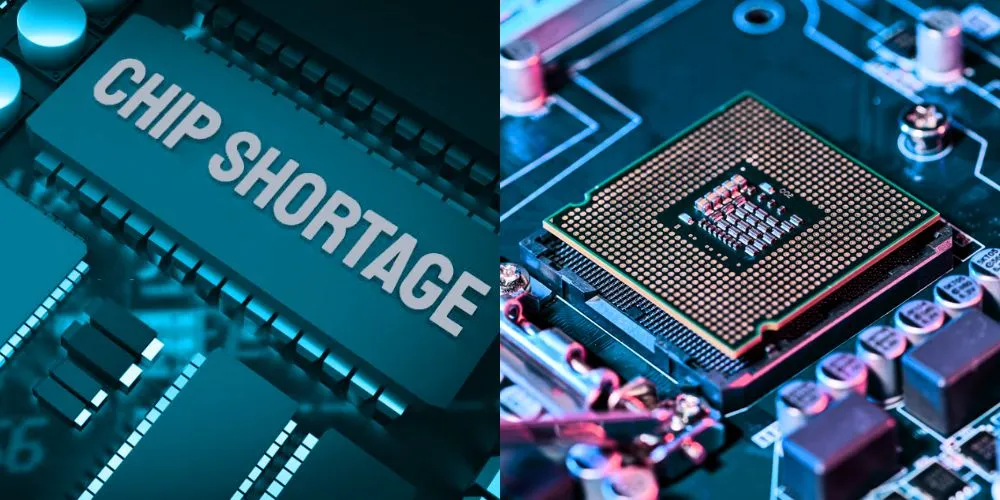


The global chip shortage has been making headlines for months, but the impact on consumers is just starting to be felt. According to industry insiders, the shortage is expected to lead to a whopping 20% price hike for a wide range of electronics, from smartphones to laptops and gaming consoles. As a tech-savvy reporter, I’ve dug into the details to understand the root causes of this shortage and what it means for consumers.
The Perfect Storm: Causes of the Chip Shortage
The chip shortage is not the result of a single factor, but rather a perfect storm of circumstances. Supply chain disruptions caused by the COVID-19 pandemic played a significant role, as manufacturers struggled to keep up with demand while dealing with lockdowns and logistical challenges. Additionally, the increasing demand for AI-powered devices and 5G-enabled smartphones has put a strain on the production capacity of chipmakers.
Another factor contributing to the shortage is the complexity of modern chip manufacturing. As chips become more sophisticated, they require more advanced manufacturing processes, which can be time-consuming and costly to develop. For instance, the production of 5nm chips requires a highly specialized process, which has limited the supply of these high-demand chips. As a result, chipmakers have been struggling to keep up with the demand, leading to a shortage that is now affecting the entire electronics industry.
Industry sources also point to the trade tensions between the US and China as another factor exacerbating the shortage. The tariffs imposed on Chinese imports have led to a reduction in chip production in China, further tightening the global supply. With the shortage showing no signs of abating, consumers can expect to feel the pinch in the coming months.
Impact on the Electronics Industry
The chip shortage is having far-reaching consequences across the electronics industry. Smartphone manufacturers, for instance, are being forced to reduce production or delay new models, as they struggle to secure the chips they need. This, in turn, is affecting retailers, who are facing stock shortages and lost sales. Laptop and gaming console manufacturers are also feeling the squeeze, as they compete with smartphone makers for the limited chip supply.
The shortage is also driving a trend towards vertical integration, with companies like Apple and Samsung investing heavily in their own chip design and manufacturing capabilities. While this may help these companies to secure a stable supply of chips, it also raises concerns about the concentration of market power and the potential for anticompetitive practices. As the industry adapts to the new reality, it’s clear that the chip shortage is having a profound impact on the way electronics companies operate.
What’s Next for Consumers?
As the chip shortage continues to bite, consumers can expect to see price increases across a range of electronics products. According to industry estimates, prices could rise by as much as 20% in the coming months, as manufacturers pass on the increased costs of chip production. While this may be a short-term pain, it’s also driving innovation, as companies look for new ways to mitigate the shortage and reduce their reliance on external suppliers.
For consumers, the key will be to stay informed about the latest developments and plan accordingly. With the shortage expected to continue into next year, it’s likely that we’ll see further consolidation in the industry, as companies look to strengthen their supply chains and reduce their exposure to the chip shortage. As the situation continues to evolve, I’ll be keeping a close eye on the developments, bringing you the latest updates and insights in Part 2 of this article. For more on this topic, see: Apple Slashes Vision Pro Production .
Ripples Across the Electronics Industry
The chip shortage is having far-reaching consequences across the electronics industry, affecting not only consumers but also manufacturers and suppliers. Smartphone manufacturers, such as Apple and Samsung, are already feeling the pinch, with reports suggesting that production has been slowed down due to the shortage. This has led to a decrease in the supply of popular devices, resulting in longer wait times for customers and limited availability of certain models.
The shortage is also affecting the automotive industry, with many car manufacturers relying on advanced chips for features such as autonomous driving and infotainment systems. The shortage has led to production delays and cancellations of certain models, highlighting the critical role that chips play in modern electronics. Furthermore, the shortage is expected to impact the gaming industry, with console manufacturers such as Sony and Microsoft facing supply chain disruptions that could affect the availability of their products.
Winners and Losers in the Chip Shortage
While the chip shortage is having a negative impact on many companies, some are emerging as winners. Chipmakers such as TSMC and Intel are seeing increased demand for their products, which is driving up revenue and profit margins. In fact, TSMC recently reported a 20% increase in quarterly revenue, citing strong demand for its chips.
| Company | Revenue Change |
|---|---|
| TSMC | +20% |
| Intel | +15% |
| Samsung | -5% |
On the other hand, some companies are emerging as losers. Small and medium-sized manufacturers, which may not have the same level of negotiating power as larger companies, are struggling to secure chip supplies. This could lead to consolidation in the industry, with smaller players being acquired or forced out of business.
Mitigating the Impact: What Can Consumers Expect?
As the chip shortage continues to bite, consumers can expect to see price increases across a wide range of electronics. According to industry sources, prices could rise by as much as 20% in the coming months. However, there are steps that consumers can take to mitigate the impact. For example, considering refurbished or used devices could be a cost-effective option.
Additionally, some manufacturers are exploring alternative chip suppliers, which could help to alleviate the shortage. For instance, Google has announced plans to partner with Samsung to develop its own chips, reducing its reliance on external suppliers. As the industry adapts to the shortage, consumers can expect to see innovative solutions emerge. For more on this topic, see: Chip Shortage Sparks 20% Price .
For more information on the chip shortage and its impact on the electronics industry, check out these resources:
Ultimately, the chip shortage is a complex issue that will require a coordinated response from industry players. As a tech-savvy reporter, I believe that the shortage presents an opportunity for innovation and supply chain diversification. By understanding the root causes of the shortage and its impact on the electronics industry, we can work towards finding long-term solutions that benefit both consumers and manufacturers. For more on this topic, see: China Unveils Beast Centrifuge: 300 .