
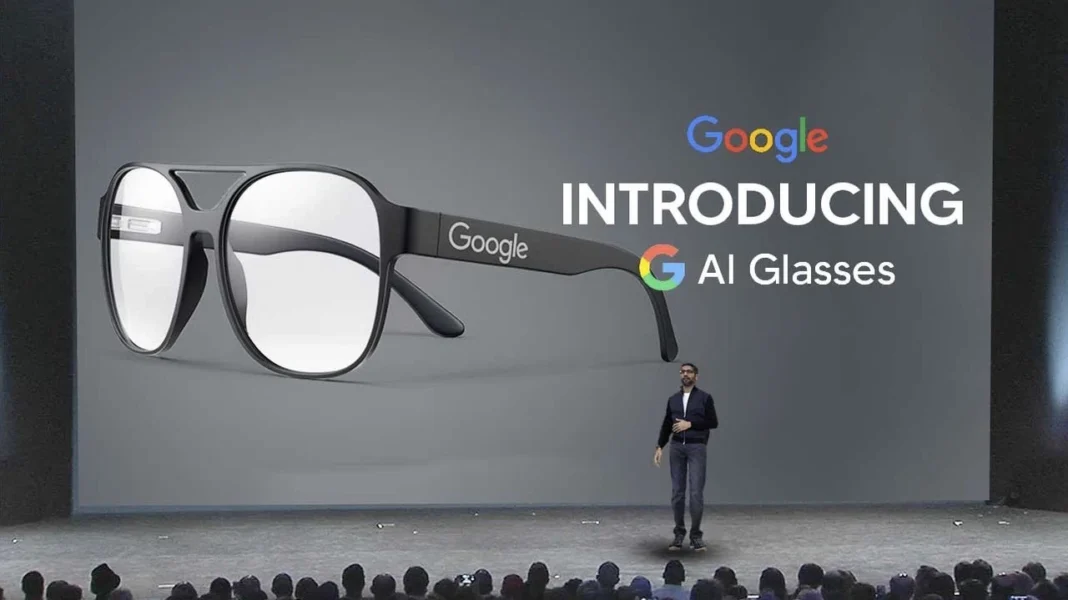


Google is poised to shake up the wearable tech industry with its highly anticipated Android XR glasses, slated to debut in 2026. As a seasoned tech journalist, I’ve had the chance to dig into the latest insider information, and I’m excited to share the details. The tech giant is expected to re-enter the smart glasses space, a market it previously explored with Google Glass, but this time with a more ambitious proposition. Android XR glasses are designed to be a game-changer, and I’m here to give you the lowdown on what’s coming.
The Evolution of Smart Glasses: From Glass to XR
The first iteration of Android XR glasses will be a significant departure from traditional smart glasses, as they will be screen-less. That’s right, no display to get in the way. Instead, these glasses will rely on advanced audio and sensor technology to provide users with a seamless, interactive experience. According to insiders, a version featuring a single monocular display will follow soon after, offering a more conventional smart glasses experience.
The decision to launch screen-less Android XR glasses first may seem counterintuitive, but it makes sense when you consider the tech giant’s vision. By ditching the display, Google can focus on developing the underlying technology that will power the glasses, including advanced artificial intelligence and machine learning capabilities. This will enable the glasses to provide users with a more intuitive, context-aware experience that’s deeply integrated with their daily lives.
A New Computing Paradigm: Android XR Glasses as a Companion Device
Android XR glasses are designed to be worn all the time, aiming to replace traditional eyeglasses for many users. This is a bold move, but one that Google is well-positioned to pull off, given its expertise in developing user-centric, Android-powered devices. By integrating the glasses with the user’s phone, Google can create a more seamless, companion-like experience that’s hard to resist.
The Android-powered nature of the glasses will provide a seamless extension of the user’s phone, allowing for effortless switching between devices and a more streamlined user experience. This could be a major selling point, especially for users who are already invested in the Google ecosystem. With Android XR glasses, users will be able to access a range of features, from voice assistants to notifications, without needing to constantly reach for their phone.
Implications for the Wearable Tech Industry
The launch of Android XR glasses in 2026 is likely to send shockwaves through the wearable tech industry, as it challenges traditional notions of what a wearable device should be. With its focus on ubiquitous computing and user-centric design, Google is poised to redefine the boundaries of wearable tech. As we wait with bated breath for the official launch, one thing is clear: Android XR glasses are set to be a major player in the wearable tech space, and we’ll be keeping a close eye on their development. For more on this topic, see: Share Your Exact Arrival Time .
As the industry watches with anticipation, the question on everyone’s mind is: what’s next for Android XR glasses? Will they live up to the hype, or will they fall short? Stay tuned for Part 2 of this article, where we’ll dive deeper into the potential applications and implications of Android XR glasses, and explore what this means for the future of wearable tech.
Technical Specifications and Industry Impact
The upcoming Android XR glasses are expected to feature advanced technical specifications that will set them apart from existing smart glasses. According to industry insiders, the glasses will be powered by a custom-designed system-on-chip (SoC) developed in collaboration with Google’s hardware partners. This SoC will enable efficient processing of artificial intelligence (AI) and machine learning (ML) workloads, allowing for a seamless user experience.
In terms of memory and storage, the Android XR glasses are expected to come equipped with at least 6GB of RAM and 128GB of storage, providing ample space for apps and data. The glasses will also feature advanced sensor technology, including lidar, stereo cameras, and accelerometers, which will enable features like gesture recognition, spatial awareness, and health monitoring.
The impact of Android XR glasses on the industry is expected to be significant. With its seamless integration with Android-powered devices, the glasses have the potential to disrupt the wearable tech market, which is currently dominated by smartwatches and fitness trackers. According to a report by Google Revives Smart Glasses in . For more on this topic, see: Samsung Galaxy S26 Ultra Leaks: .
Google has already established partnerships with several major tech companies, including Qualcomm and Intel, to develop the hardware and software for Android XR glasses. These partnerships will be crucial in enabling the glasses to integrate seamlessly with a range of devices and services. For example, Qualcomm’s Snapdragon XR platform will provide the necessary processing power and connectivity for the glasses, while Intel’s RealSense technology will enable advanced computer vision capabilities.
| Partner | Contribution |
|---|---|
| Qualcomm | Snapdragon XR platform for processing and connectivity |
| Intel | RealSense technology for computer vision |
Challenges and Opportunities: The Road Ahead
While Android XR glasses have the potential to revolutionize the wearable tech industry, there are several challenges that Google will need to overcome. One of the biggest challenges will be addressing concerns around privacy and security, particularly given the glasses’ advanced sensor capabilities. Google will need to ensure that users’ data is protected and that the glasses are designed with security in mind.
Another challenge will be convincing users to adopt a new form factor, particularly given the stigma surrounding smart glasses. However, with its seamless integration with Android-powered devices and advanced technical specifications, Android XR glasses have the potential to overcome these challenges and create new opportunities for users.
According to a report by Google – Android Developers, the Android ecosystem has over 1 billion active users, providing a significant market for developers to tap into. By leveraging this ecosystem and creating a robust developer community, Google can ensure the success of Android XR glasses and establish itself as a leader in the wearable tech industry.
As we look to 2026, it’s clear that Android XR glasses have the potential to revolutionize the wearable tech industry. With its advanced technical specifications, seamless integration with Android-powered devices, and robust ecosystem of developers and partners, Google is well-positioned to disrupt the market and create new opportunities for users.
From my perspective, the success of Android XR glasses will depend on Google’s ability to balance innovation with practicality. By addressing concerns around privacy and security, creating a seamless user experience, and fostering a robust developer community, Google can ensure that Android XR glasses become a must-have device for users. As the wearable tech industry continues to evolve, one thing is clear: Android XR glasses are an exciting development that will be worth watching in the years to come.
For more information on Android XR glasses and the wearable tech industry, check out Google – Wear OS.