
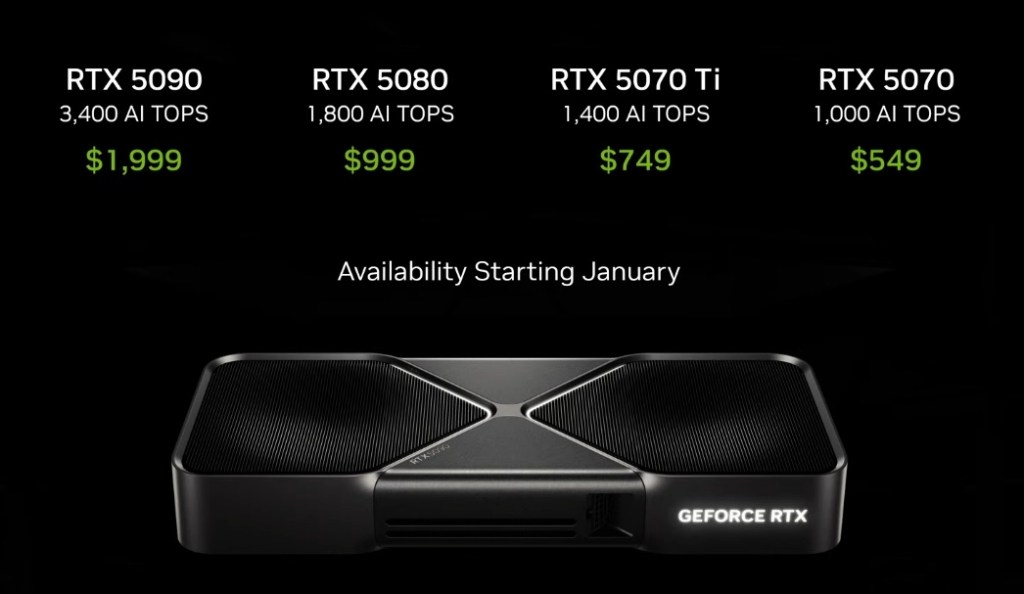


The tech industry is abuzz with the latest predictions surrounding the NVIDIA RTX 5090, the next-generation graphics card from the leading GPU manufacturer. According to industry insiders, the NVIDIA RTX 5090 price is expected to hit a staggering $5,000 by 2026, driven primarily by the skyrocketing demand for AI-capable hardware. This represents a significant 2.5 times increase from its anticipated launch price of $1,999 in January 2025. As we dive deeper into the factors influencing this price hike, it becomes clear that the AI industry’s insatiable appetite for high-memory graphics cards is at the forefront of this trend.
The AI-Driven Demand Surge
The demand for high-performance GPUs, particularly those with large memory capacities, has seen an unprecedented surge in recent times. This is largely attributed to the rapid advancements in Artificial Intelligence (AI) and Machine Learning (ML), which require significant computational resources. As a result, memory costs now comprise up to 80% of the GPU bill of materials, a substantial increase that is driving up the overall cost of production. NVIDIA, being a dominant player in the GPU market, is particularly affected by this trend, with the RTX 5090 being one of the most anticipated releases in the company’s lineup.
The AI industry’s reliance on high-memory graphics cards has created a supply bottleneck that affects not only the professional market but also the gaming community. As NVIDIA and AMD, the two major GPU manufacturers, struggle to meet the demand, prices are expected to rise. Industry sources indicate that NVIDIA will be the first to implement price increases, starting in January 2026, followed by AMD in February 2026. This move is a direct response to the supply constraints driven by the AI industry’s demand for high-memory GPUs.
Impact on the Gaming and Professional Markets
The ripple effects of the AI-driven demand surge are being felt across both the gaming and professional markets. Gamers, who have traditionally been the primary consumers of high-performance GPUs, are now facing the prospect of higher prices for the latest hardware. The NVIDIA RTX 5090, with its expected price tag of $5,000 by 2026, is likely to be out of reach for many enthusiasts. On the other hand, professionals in fields such as computer-aided design (CAD), video editing, and scientific simulations are also being impacted, as they rely heavily on high-performance GPUs to perform complex tasks.
The supply bottleneck created by the AI industry’s demand for high-memory graphics cards has significant implications for the tech industry as a whole. As NVIDIA and AMD navigate this challenging landscape, it remains to be seen how they will balance the needs of their diverse customer base. One thing is certain, however: the next generation of GPUs, led by the NVIDIA RTX 5090, is shaping up to be a costly affair.
Industry Response and Future Outlook
As the industry braces for the impending price hikes, manufacturers are exploring ways to mitigate the impact of supply constraints. One potential strategy is to optimize production processes to improve yields and reduce costs. Additionally, companies may look to diversify their product lines to cater to different market segments, potentially offering more affordable options for gamers and other consumers. However, with the AI industry’s demand showing no signs of abating, it remains to be seen whether these efforts will be enough to stem the tide of rising prices. For more on this topic, see: GTA 6 Launch Delayed Again? .
The coming months will be crucial in determining how the GPU market evolves in response to the AI-driven demand surge. As we approach the launch of the NVIDIA RTX 5090 in January 2025, the industry will be watching closely to see how NVIDIA and AMD respond to the challenges posed by the supply bottleneck. Will they be able to meet the demands of the AI industry while keeping prices in check for other consumers, or will the trend of rising prices continue unabated? The answers will become clearer as we move into 2026.
Market Dynamics and Supply Chain Constraints
The anticipated price hike of the NVIDIA RTX 5090 to $5,000 by 2026 is not only driven by the AI industry’s demand but also by the complex dynamics of the global supply chain. The production of high-performance GPUs requires a multitude of components, including advanced memory modules, substrates, and manufacturing processes. As the demand for these components surges, suppliers are struggling to keep up, leading to a bottleneck in the production line. According to industry experts, the supply chain constraints are expected to worsen in the coming years, further exacerbating the price increase.
A key factor contributing to these supply chain constraints is the capacity utilization rate of major semiconductor foundries. With the current utilization rate hovering around 95%, manufacturers are operating at near-full capacity, leaving little room for unexpected disruptions. Any minor setbacks in the production process can have significant ripple effects, leading to delayed shipments and increased costs. As a result, NVIDIA and other GPU manufacturers are forced to navigate this complex landscape, making tough decisions about pricing and production allocation. For more on this topic, see: Samsung Galaxy S26 Launch Date .
Competitive Landscape and Alternatives
The predicted price hike of the NVIDIA RTX 5090 raises questions about the competitive landscape and potential alternatives for consumers. AMD, a major competitor in the GPU market, has been steadily gaining ground with its own line of high-performance graphics cards. While AMD’s current offerings may not match the performance of NVIDIA’s flagship models, the company is expected to release its own next-generation GPUs in the near future. These new models could potentially offer competitive pricing and performance, providing consumers with a viable alternative to NVIDIA’s offerings.
Another potential alternative to consider is the Intel Arc series, which has been gaining traction in the budget-conscious market segment. Although Intel’s current offerings are not yet competitive with NVIDIA or AMD in terms of performance, the company is investing heavily in its GPU technology and could potentially disrupt the market with future releases. The following table compares the key specifications of the current high-end GPUs from NVIDIA, AMD, and Intel:
| GPU Model | Memory | Memory Bandwidth | Launch Price |
|---|---|---|---|
| NVIDIA RTX 4090 | 24 GB GDDR6X | 1,008 GB/s | $1,599 |
| AMD Radeon RX 7900 XTX | 24 GB GDDR6 | 960 GB/s | $999 |
| Intel Arc A770 | 16 GB GDDR6 | 560 GB/s | $329 |
Future Outlook and Industry Implications
The predicted price hike of the NVIDIA RTX 5090 to $5,000 by 2026 has significant implications for the tech industry as a whole. As the demand for AI-capable hardware continues to surge, we can expect to see similar price increases across the industry. This could lead to a shift in the types of applications and use cases that are feasible, potentially favoring more cost-effective solutions. For instance, the increased cost of high-end GPUs may accelerate the adoption of cloud gaming and cloud-based AI services, as consumers and businesses seek more affordable alternatives.
To learn more about the current state of the GPU market and the impact of AI demand, visit the NVIDIA website. Additionally, AMD’s official website provides insights into their current offerings and future roadmap.
From my perspective, the predicted price hike of the NVIDIA RTX 5090 to $5,000 by 2026 is a clear indication of the AI industry’s growing influence on the tech landscape. As the demand for high-performance GPUs continues to surge, we can expect to see significant changes in the market dynamics and supply chain constraints. While this may present challenges for consumers and businesses, it also creates opportunities for innovation and growth in areas like cloud gaming and cloud-based AI services. As the industry continues to evolve, it will be crucial for manufacturers, developers, and consumers to adapt and innovate in response to these changing market conditions. For more on this topic, see: Flu Cases Surge to Alarming .