
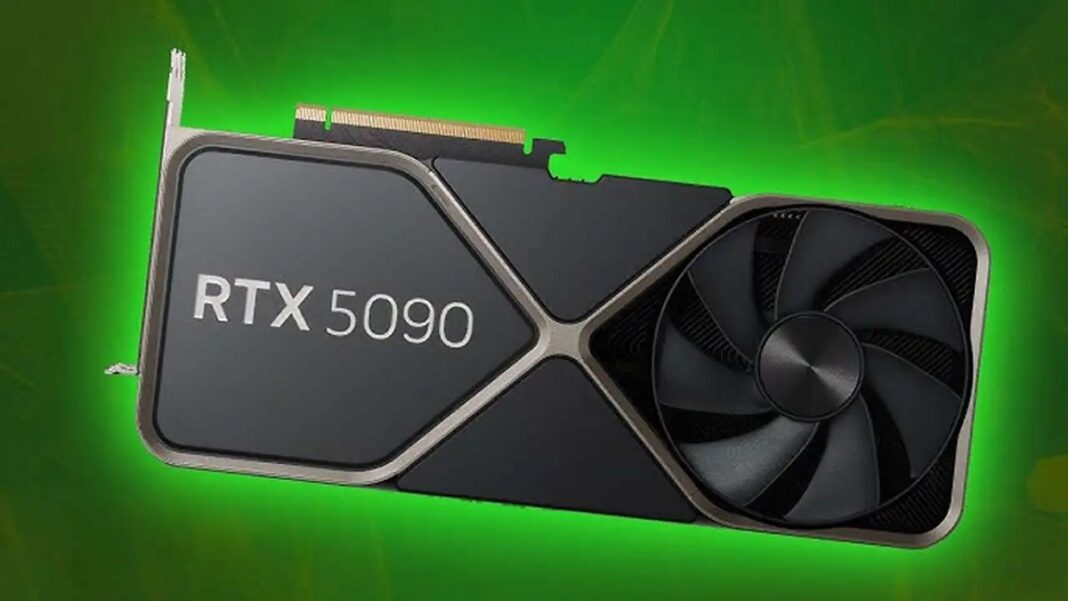


Get ready for a shock: the NVIDIA RTX 5090 is predicted to hit a whopping $5,000 by the end of 2026, a staggering 2.5 times increase from its original $1,999 launch price in January 2025. The culprit behind this price surge? Soaring demand for AI-powered technologies. As we dive into the world of graphics cards, it’s clear that the AI industry’s insatiable hunger for high-memory GPUs is driving a supply bottleneck that’s affecting both gaming and professional markets. In this article, we’ll explore the factors contributing to this price hike and what it means for consumers and the tech industry as a whole.
The AI-Driven Demand for High-Memory GPUs
The AI industry’s demand for high-memory graphics cards is the primary driver behind the NVIDIA RTX 5090’s predicted price surge. With memory costs now comprising up to 80% of the GPU bill of materials, it’s clear that the industry’s need for advanced memory technologies is outpacing supply. As AI applications continue to grow in complexity, the demand for high-memory GPUs is expected to skyrocket, further exacerbating the supply bottleneck. This has significant implications for both NVIDIA and AMD, as they struggle to keep up with the demand for their high-end GPUs.
The impact of this demand is already being felt, with NVIDIA and AMD expected to begin price increases in January and February 2026, respectively. This will likely have a ripple effect throughout the tech industry, as manufacturers and consumers alike feel the pinch of higher GPU prices. As the demand for AI-powered technologies continues to grow, it’s likely that we’ll see further price increases across the board.
Supply Constraints and Market Impact
The supply bottleneck caused by the AI industry’s demand for high-memory GPUs is having far-reaching consequences. Not only are GPU prices expected to rise, but the shortage is also affecting the gaming and professional markets. As NVIDIA and AMD struggle to keep up with demand, consumers are likely to face longer wait times and higher prices for their GPUs. This could have significant implications for the gaming industry, as well as professionals who rely on high-performance GPUs for their work.
The market impact of this supply constraint is already being felt, with some manufacturers reporting shortages of key components. As the demand for AI-powered technologies continues to grow, it’s likely that we’ll see further disruptions to the supply chain. This could lead to a ripple effect throughout the tech industry, as manufacturers and consumers alike adapt to the new reality of high-demand, low-supply GPUs.
What’s Next for NVIDIA and the GPU Market?
As we look to the future, it’s clear that the NVIDIA RTX 5090’s predicted price surge is just the beginning. With the AI industry’s demand for high-memory GPUs showing no signs of slowing, it’s likely that we’ll see further price increases across the board. NVIDIA and AMD will need to adapt to this new reality, potentially by increasing production or exploring new technologies to meet the demand. But what does this mean for consumers and the tech industry as a whole? We’ll continue to explore this topic in Part 2, examining the potential implications of this price surge and what it means for the future of the GPU market. For more on this topic, see: Chip Shortage to Slam Consumers . For more on this topic, see: Apple Slashes Vision Pro Production .
As the GPU market continues to evolve, one thing is clear: the demand for AI-powered technologies is driving a seismic shift in the industry. With NVIDIA and AMD at the forefront, we’ll be watching closely to see how they respond to this challenge. Will they be able to meet the demand, or will the supply bottleneck continue to drive prices higher? The answers will have far-reaching implications for the tech industry, and we’ll be exploring them in more detail in Part 2.
The Impact on Gaming and Professional Markets
The supply bottleneck caused by the AI industry’s demand for high-memory GPUs is having a significant impact on both the gaming and professional markets. In the gaming sector, the shortage of high-end GPUs is driving up prices and limiting availability. This is particularly concerning for gamers who rely on NVIDIA and AMD’s high-end GPUs to play the latest games at high resolutions and frame rates. As prices continue to rise, it’s likely that many gamers will be priced out of the market, leading to a decline in sales for game developers and publishers.
The professional market is also feeling the pinch, with industries such as video production, 3D modeling, and scientific research relying heavily on high-end GPUs. The shortage of these components is causing delays and increased costs for professionals, who are often forced to pay premium prices for scarce GPUs. This can have a ripple effect throughout the economy, as businesses and organizations are forced to adjust their budgets and priorities in response to the shortage.
The Rise of Alternative Solutions
As the demand for high-memory GPUs continues to outstrip supply, alternative solutions are beginning to emerge. One such solution is the development of cloud-based GPU services, which allow users to access high-end GPUs over the internet. This approach can help to alleviate the shortage of physical GPUs, while also providing greater flexibility and scalability for users. Companies such as Amazon Web Services (AWS) and Google Cloud are already offering cloud-based GPU services, and it’s likely that we’ll see further investment in this area as the demand for AI-powered technologies continues to grow.
Another alternative solution is the development of ASICs (Application-Specific Integrated Circuits), which are custom-designed chips that are optimized for specific tasks. ASICs can offer significant performance and power advantages over traditional GPUs, making them an attractive option for applications such as AI and machine learning. Companies such as Google and Facebook are already investing heavily in ASIC development, and it’s likely that we’ll see further innovation in this area as the demand for specialized chips continues to grow.
The Future of GPU Pricing
As we look to the future, it’s clear that GPU pricing will continue to be influenced by the demand for AI-powered technologies. According to a recent report by NVIDIA’s official website has announced plans to increase production of its GPUs, which could help to meet some of the demand. Additionally, AMD’s official website has also announced plans to expand its GPU offerings, which could provide more options for consumers.
Here is a comparison of the current and predicted prices of high-end GPUs:
| GPU Model | Current Price | Predicted Price (2026) |
|---|---|---|
| NVIDIA RTX 5090 | $1,999 | $5,000 |
| AMD Radeon RX 7900 XT | $999 | $2,500 |
In conclusion from my perspective as an entertainment insider, the predicted price surge for the NVIDIA RTX 5090 is just one symptom of a larger trend: the growing demand for AI-powered technologies is driving a fundamental shift in the tech industry. As the demand for high-memory GPUs continues to outstrip supply, it’s likely that we’ll see further price increases and innovative solutions emerge. While this may be a challenging time for consumers and manufacturers, it’s also an exciting moment for the tech industry, as new technologies and business models begin to take shape. For more on this topic, see: NVIDIA RTX 5090 Price to .