
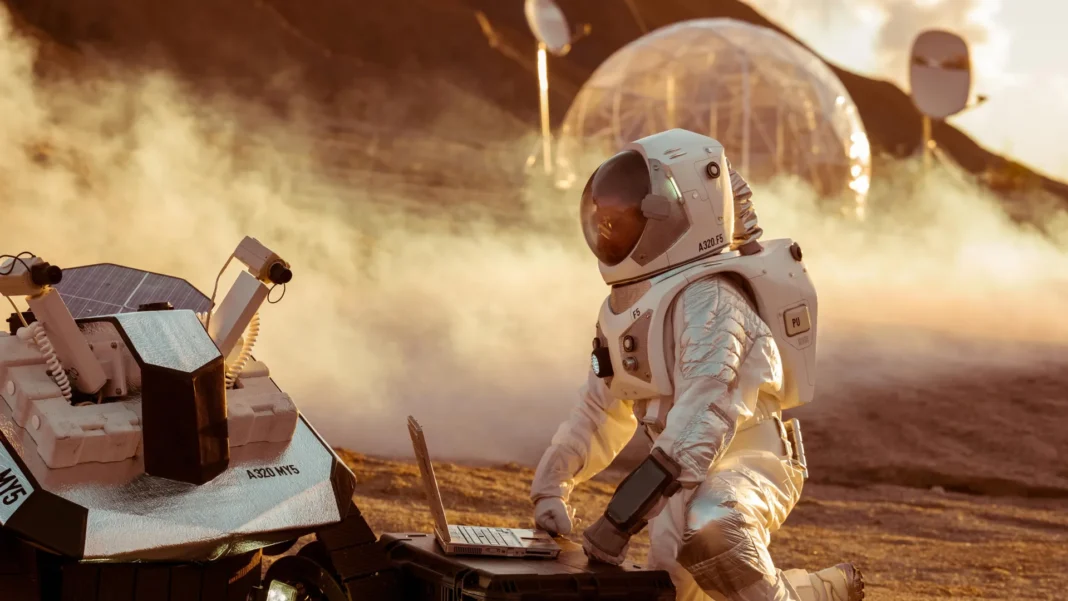


As the world watches, scientists are paving the way for a historic Mars mission, leveraging the latest advancements in robotics and space exploration to lay the groundwork for a sustained human presence on the Red Planet. With NASA’s ambitious plans to return astronauts to the moon by 2028 and begin building a permanent lunar base by 2030, the stage is set for a new era in space travel. But what’s being done to ensure the success of these future missions?
Robotic Explorers Lead the Charge
Robotic explorers are playing a crucial role in preparing for the Mars mission, with researchers adapting tools and datasets originally developed for Earth to support future moon and Mars missions. For instance, a decision-support tool used to track space weather near Earth has been extended to incorporate data from Mars missions, helping scientists better understand the harsh Martian environment. This is just one example of how existing space missions are being utilized to overcome the practical challenges of exploration, such as shielding crews from harmful radiation and managing abrasive dust.
According to NASA, the adapted tools will be vital in addressing these challenges, enabling astronauts to survive and thrive on the Martian surface. By leveraging the capabilities of robotic explorers, scientists can gather critical data and insights that will inform the development of future human missions. As researchers continue to push the boundaries of what’s possible, we’re one step closer to making human exploration of Mars a reality.
Unlocking the Secrets of Mars
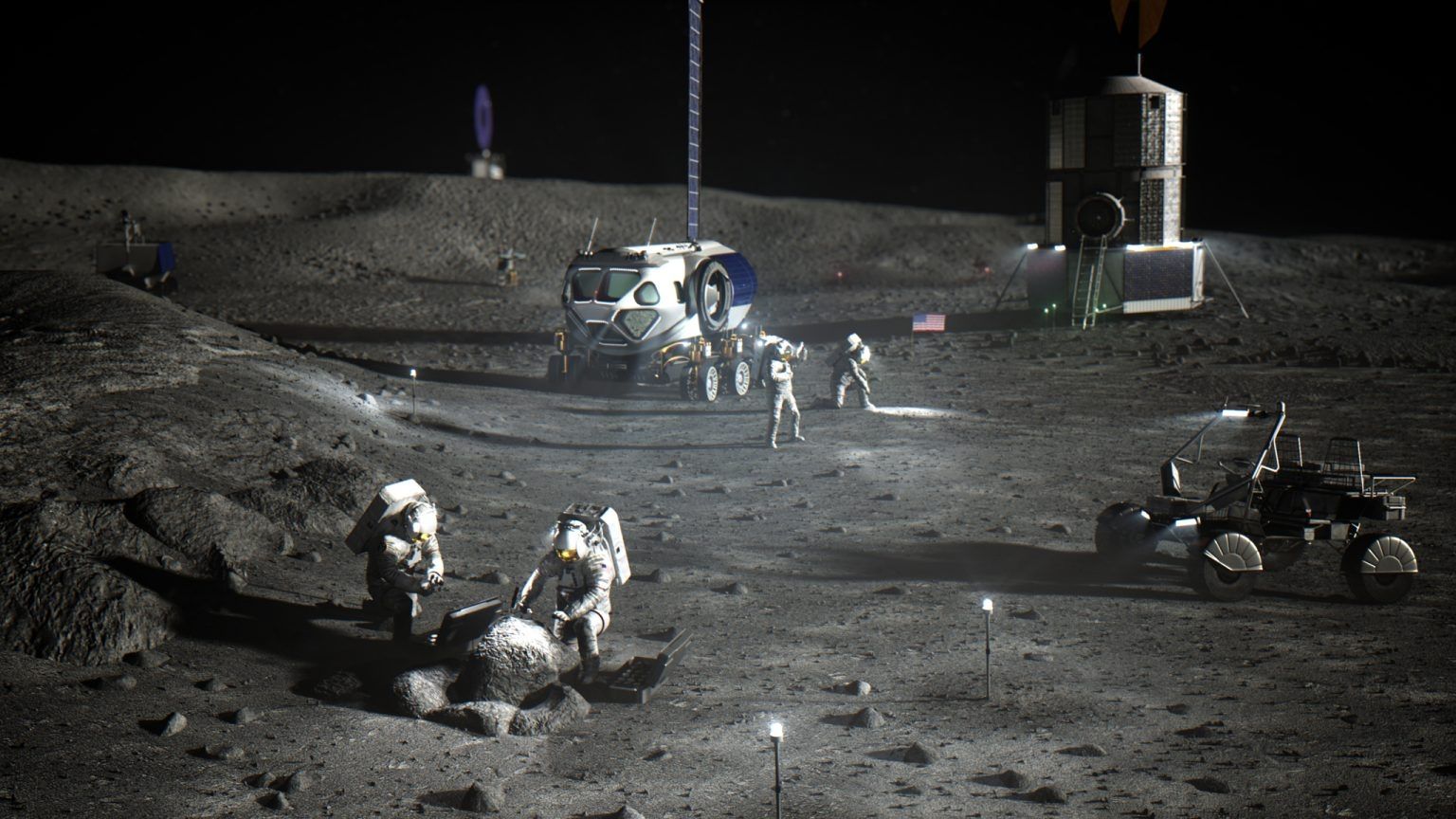
A recent breakthrough in the search for water on Mars has brought us closer to understanding the planet’s potential for supporting human life. Researchers led by planetary geologist Erica Luzzi have identified a region on Mars, Amazonis Planitia, with water ice just beneath the surface. The discovery is significant, as the ice is located less than 1 meter below the surface, making it more accessible than deeply buried deposits. This finding has major implications for future human missions, as the presence of ice near the surface could enable “in situ resource utilization,” allowing astronauts to use Martian resources for various purposes, such as propellant.
The research, conducted using high-resolution orbital images, demonstrates the power of robotic explorers and orbital data in preparing for future human missions to Mars. By identifying valuable resources like water ice, scientists can begin to develop strategies for harnessing them, paving the way for more sustainable and self-sufficient missions. As we continue to explore the Martian surface, we’re uncovering new insights that will be crucial in supporting human life on the Red Planet.
Preparing for the Challenges Ahead

One of the most critical challenges facing human exploration of Mars is exposure to solar radiation. To address this, researchers are developing a real-time space weather dashboard for astronauts on Mars, using data from multiple Mars missions, including the MAVEN orbiter and the Curiosity and Perseverance rovers. The dashboard, which will run on a tablet, will allow astronauts to anticipate and prepare for space weather events like solar flares, helping to mitigate the risks associated with long-duration Martian missions. For more on this topic, see: Measles Outbreak Alert at Newark .
Led by heliophysicist Gina DiBraccio, the team at NASA’s Goddard Space Flight Center is working tirelessly to bring this critical tool to life. As part of a larger framework to support NASA’s Artemis program, the dashboard represents a key step towards making long-duration Martian missions viable. With the challenges of space travel still to be overcome, scientists are working around the clock to ensure the success of future missions – and it looks like they’re making great progress. As we continue to develop the tools and technologies needed to support human exploration, the prospect of a manned Mars mission is becoming increasingly tangible.
Overcoming the Challenges of Martian Exploration
As scientists continue to prepare for a historic Mars mission, they’re faced with numerous challenges that must be overcome. One of the most significant hurdles is protecting astronauts from the harsh Martian environment, including solar radiation and abrasive dust. According to NASA, exposure to solar radiation is one of the most critical challenges facing human exploration of Mars. To address this, researchers are developing innovative solutions, such as inflatable spacecraft and advanced shielding materials.
| Challenge | Description | Solution |
|---|---|---|
| Solar Radiation | Exposure to harmful solar radiation | Inflatable spacecraft, advanced shielding materials |
| Abrasive Dust | Martian dust can cause mechanical failures and health issues | Advanced filtration systems, dust-repellent materials |
Harnessing Martian Resources
The discovery of water ice on Mars has significant implications for future human missions. Researchers believe that the ice could be used for in situ resource utilization, enabling astronauts to use Martian resources for various purposes, such as propellant, rather than transporting everything from Earth. This could greatly reduce the cost and complexity of Mars missions. According to planetary geologist Erica Luzzi, the presence of ice near the surface could enable astronauts to extract water, which is essential for life support and propulsion.
The research team used high-resolution orbital images to identify the region on Mars, Amazonis Planitia, with water ice just beneath the surface. This demonstrates the use of robotic explorers and orbital data to prepare for future human missions to Mars. For more information on the Martian geology, visit the Wikipedia page on Amazonis Planitia. For more on this topic, see: NASA’s Historic Artemis II Mission .
Preparing for the Next Giant Leap
As NASA prepares for a renewed push in human exploration, the agency is working towards establishing a sustained presence on the moon and Mars. The development of a real-time space weather dashboard for astronauts on Mars is a critical step towards making long-duration Martian missions viable. The dashboard will run on a tablet, allowing astronauts to anticipate and prepare for space weather events like solar flares.
The tool is being developed by NASA’s Goddard Space Flight Center, led by heliophysicist Gina DiBraccio. For more information on NASA’s Artemis program, visit the official NASA website. Additionally, the European Space Agency’s Mars Exploration program is also working towards establishing a human presence on the Red Planet.
As we look to the future of space exploration, it’s clear that robots will play a crucial role in paving the way for human missions to Mars. By leveraging existing space missions, adapting tools and datasets, and developing innovative solutions, scientists are bringing us closer to making human exploration of Mars a reality. With continued advancements in robotics and space exploration, we’re one step closer to taking the next giant leap for humanity.
The prospect of humans setting foot on Mars is an exciting one, and it’s clear that the groundwork is being laid for a historic mission. As researchers continue to push the boundaries of what’s possible, we can expect to see significant breakthroughs in the years to come. With a strong foundation in place, the future of Martian exploration looks bright, and we can’t wait to see what’s next.