
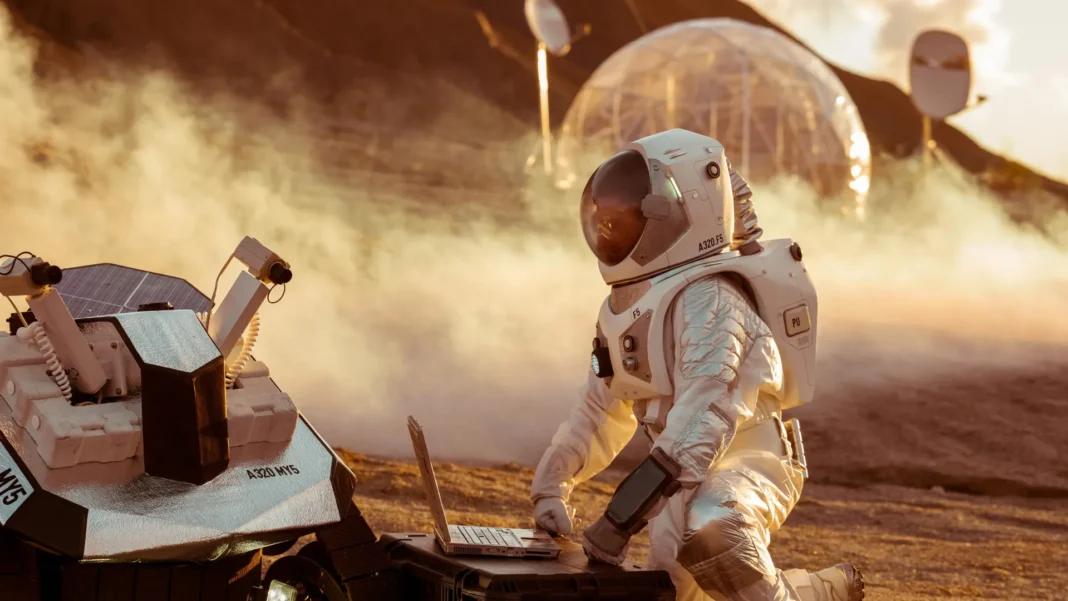


As we edge closer to making human exploration of Mars a reality, scientists are hard at work paving the way with cutting-edge technology and innovative solutions. The road to the Red Planet is fraught with challenges, from harsh radiation to abrasive dust, but our robotic explorers are leading the charge. With NASA’s plans to return astronauts to the moon by 2028 and establish a permanent lunar base by 2030, the stage is set for a giant leap towards Mars. Let’s dive into the fascinating developments that are making this possible.
Adapting Earth Tech for Space Exploration
One of the most exciting breakthroughs in space exploration is the adaptation of existing tools and technologies originally developed for Earth to support future moon and Mars missions. NASA’s decision-support tool, designed to track space weather near our planet, has been extended to incorporate data from Mars missions, providing a crucial layer of protection for both astronauts and electronic equipment. By repurposing these tools, researchers are addressing some of the most pressing challenges of space travel, such as shielding crews from harmful radiation and managing the abrasive dust that can wreak havoc on equipment.
The benefits of this approach are twofold. Not only does it accelerate the development of new technologies, but it also ensures that the lessons learned from Earth-based applications are translated into the space exploration context. For instance, the adapted tools will help scientists better understand the Martian environment, enabling them to make informed decisions about where to land, how to navigate, and what resources to utilize. As we move forward, it’s clear that this kind of innovative problem-solving will be crucial in making human exploration of Mars a success.
Water Ice on Mars: A Game-Changer for Human Missions
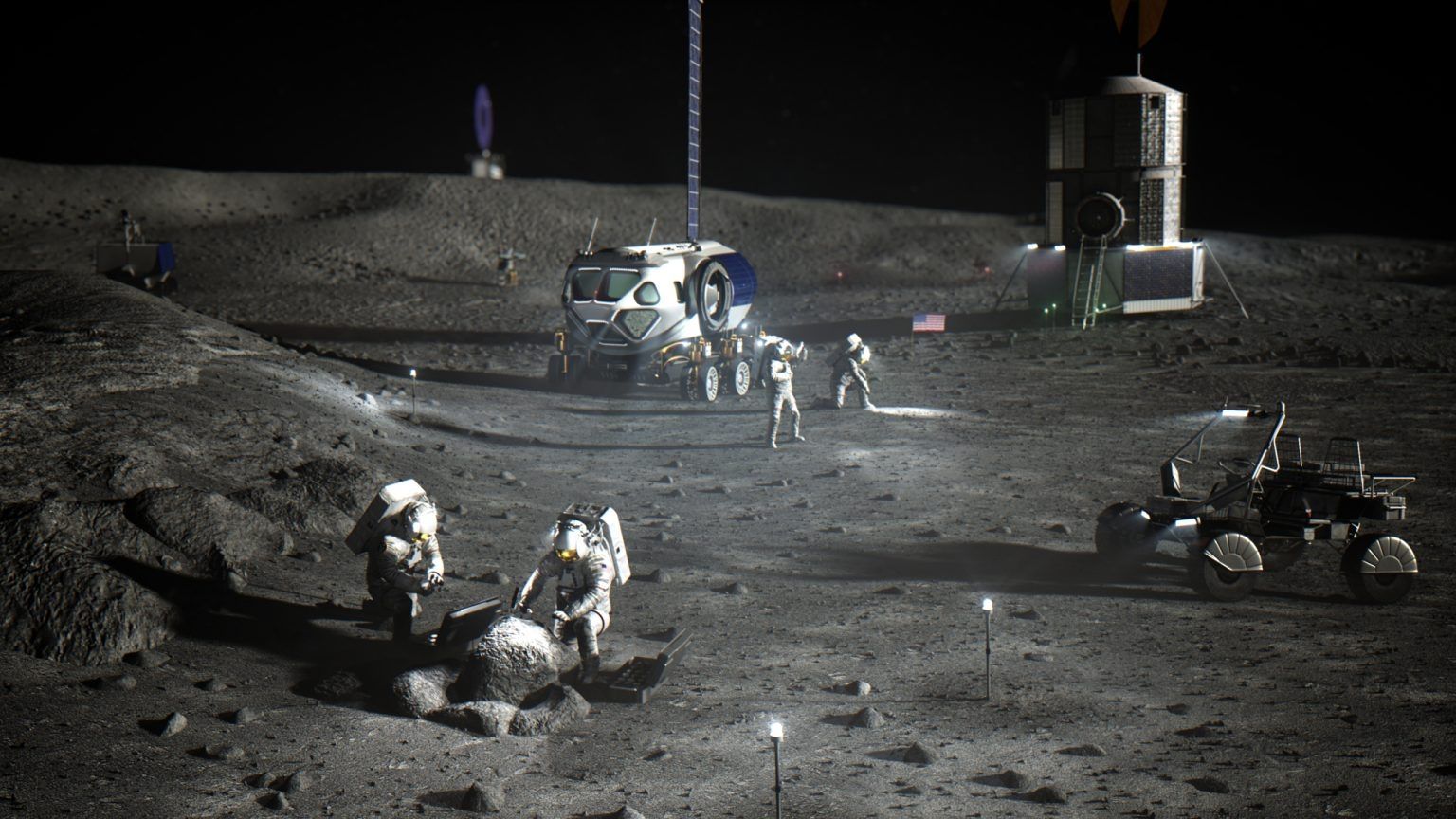
A recent study led by University of Mississippi scientist Erica Luzzi has identified a region on Mars, Amazonis Planitia, where water ice lies just beneath the surface, less than 1 meter deep. This discovery is a game-changer for future human missions, as it provides a readily accessible source of water that can be used for drinking, life support, and even propellant. The presence of ice close to the surface means that astronauts won’t have to dig deep or transport water from Earth, significantly simplifying the logistics of a Martian mission.
The research used high-resolution orbital images to examine the Martian landscape, searching for signs of ice. By analyzing the data, the team was able to pinpoint areas where the ice is most likely to be found, paving the way for future missions to exploit this valuable resource. As we look to the future, the ability to harness Martian resources will be a critical factor in making long-duration missions viable, and this discovery brings us one step closer to achieving that goal.
Real-Time Space Weather Monitoring for Mars Astronauts

As astronauts venture further into the solar system, they’ll face increasing risks from space weather events like solar flares and coronal mass ejections. To mitigate these risks, researchers are developing a real-time space weather dashboard that will run on a tablet, providing crews with critical information to anticipate and prepare for these events. By integrating data from multiple Mars missions, including the MAVEN orbiter and the Curiosity and Perseverance rovers, the dashboard will give astronauts the visibility they need to make informed decisions about when to take protective measures.
This cutting-edge technology is a key step towards making long-duration Martian missions a reality, and it’s part of a larger framework to support NASA’s Artemis program. As we continue to push the boundaries of space exploration, innovations like this will be crucial in ensuring the safety and success of our astronauts. With the dashboard set to provide real-time monitoring, we’re one step closer to unlocking the secrets of the Red Planet. Stay tuned for the next installment, where we’ll dive deeper into the technological advancements that are paving the way for human exploration of Mars.
Preparing for the Challenges of Mars Exploration
As we push forward with plans to send humans to Mars, it’s clear that our robotic explorers are playing a crucial role in paving the way. One of the key challenges facing future missions is the harsh Martian environment, with its intense radiation and extreme temperatures. To address this, researchers are developing new tools and technologies that will help protect both astronauts and electronic equipment. For example, NASA’s real-time space weather dashboard is being designed to provide astronauts with critical information about space weather events, such as solar flares, allowing them to take necessary precautions. According to NASA’s Mars Exploration Program, this dashboard will integrate data from multiple sources, including the MAVEN orbiter and the Curiosity and Perseverance rovers, to give crews real-time visibility into space weather activity.
| Space Weather Dashboard Features | Description |
|---|---|
| Real-time data integration | Combines data from multiple Mars missions, including MAVEN, Curiosity, and Perseverance |
| Space weather forecasting | Provides critical information about solar flares and other space weather events |
| Astronaut decision support | Helps astronauts anticipate and prepare for space weather events |
In Situ Resource Utilization: A Key to Sustainable Mars Missions
The discovery of water ice on Mars, as highlighted in a recent study led by University of Mississippi scientist Erica Luzzi, is a significant breakthrough for future human missions. With ice located just below the surface in regions like Amazonis Planitia, astronauts will be able to access a valuable resource that can be used for a range of purposes, from drinking water to propellant. According to NASA’s Jet Propulsion Laboratory, this in situ resource utilization (ISRU) will be critical in enabling sustainable Mars missions, reducing the need for resupply from Earth and allowing astronauts to stay on the planet for longer periods. The study used high-resolution orbital images to examine the Martian landscape and identify signs of ice, demonstrating the importance of continued robotic exploration in supporting future human missions.
Building on the Success of Robotic Explorers
As we look to the future of Mars exploration, it’s clear that our robotic explorers have played a vital role in laying the groundwork for human missions. By adapting existing technologies and developing new tools, researchers are addressing some of the most pressing challenges of space travel. As we move forward, the lessons learned from our robotic explorers will be crucial in making human exploration of Mars a success. With NASA’s plans to return astronauts to the moon by 2028 and establish a permanent lunar base by 2030, the stage is set for a giant leap towards Mars. According to NASA’s Artemis Program, this will involve a sustained human presence on the lunar surface, with the ultimate goal of sending humans to Mars in the coming decades.
The journey to Mars is complex, but with the help of our robotic explorers, we’re one step closer to making it a reality. As we continue to push the boundaries of space exploration, it’s clear that the next few years will be exciting times for scientists, engineers, and space enthusiasts alike. With the right technologies and a bit of creativity, we’ll be able to overcome the challenges of Mars exploration and make human missions a success.