


Apple’s AirPods Pro have been a popular choice for wireless earbuds, offering a seamless listening experience and innovative features like Active Noise Cancellation. The next-generation AirPods Pro 3 are expected to pack a major upgrade – infrared (IR) cameras and Visual Intelligence. This development has significant implications for the future of audio technology.
The Rise of Visual Intelligence in Audio
The introduction of IR cameras in the AirPods Pro 3 marks a significant shift from the traditional audio-focused design of previous models. According to sources, these cameras will enable new AI capabilities, allowing users to better understand their surroundings and receive relevant information. The Visual Intelligence feature is expected to use the earbuds as a hub for gathering and processing visual data.
The integration of IR cameras and Visual Intelligence in AirPods Pro 3 is likely to be a key differentiator for the product, setting it apart from competitors in the market. This technology has the potential to enable a range of new use cases, from augmented reality experiences to enhanced navigation. Apple has a history of pushing the boundaries of what’s possible with audio technology, as seen with the introduction of features like spatial audio.
Apple’s expertise in AI and machine learning will likely play a crucial role in creating a seamless and intuitive user experience. The company has already demonstrated its ability to integrate AI-driven features into its products, such as Siri and Core ML. For example, the AirPods Pro 3 may use machine learning algorithms to analyze data from the IR cameras and provide users with personalized recommendations.
Design and User Interface Changes
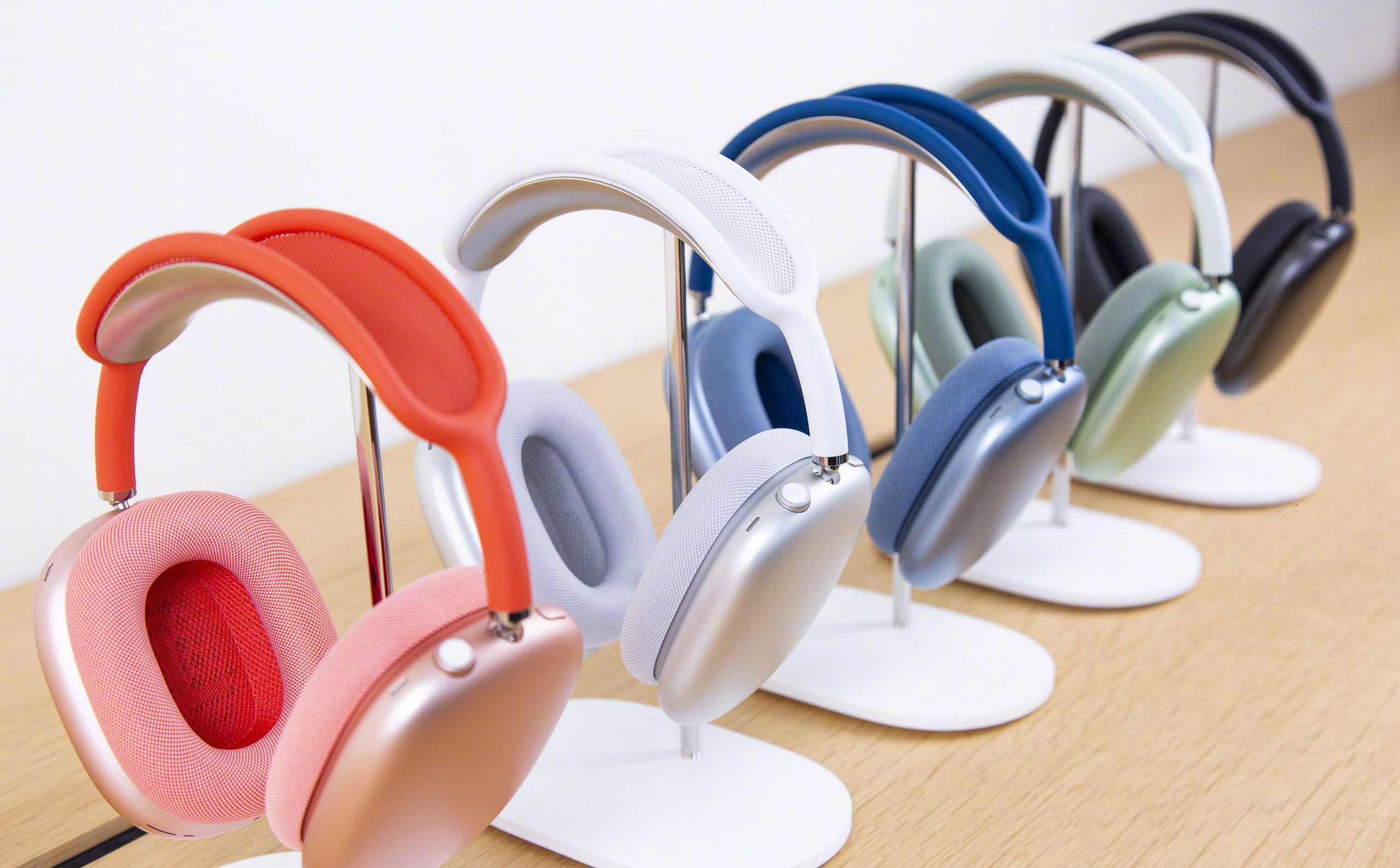
Rumors suggest that the new AirPods Pro 3 model might remove pressure-sensitive buttons from the ear stems, potentially replacing them with support for hand gestures. This could be a significant change to the user interface, allowing users to control their earbuds in a more intuitive and gesture-based way. Alternatively, the new model might support both pressure-sensitive buttons and hand gestures, offering users a range of interaction options.
The potential shift away from traditional button-based controls is an interesting development, and one that could have significant implications for the design of future audio products. A gesture-based interface could enable users to control their earbuds more naturally, using movements like tapping or swiping to adjust volume or skip tracks.
Implications and Expectations
The AirPods Pro 3 are expected to arrive at a higher price than the current model, which could be a challenge for some consumers. However, the introduction of new features like IR cameras and Visual Intelligence is likely to justify a premium price point, especially for users who are invested in the Apple ecosystem.
The rumor mill is already suggesting that there may be another AirPods Pro 3 model on the horizon, potentially with its own set of upgrades and features. As the market continues to evolve, it’s likely that we’ll see a range of new products and innovations emerge, driven by advances in AI, machine learning, and other emerging technologies.
Potential Applications of Visual Intelligence
The integration of IR cameras and Visual Intelligence in AirPods Pro 3 opens up a wide range of potential applications. One possible use case is augmented reality experiences. With the ability to understand the outside world, AirPods Pro 3 users could potentially experience AR in a more immersive and interactive way, with virtual objects and information overlaid onto the real world.
Another potential application is enhanced navigation. The IR cameras could be used to detect and recognize objects, such as street signs, buildings, and landmarks, providing users with more detailed and accurate navigation information.
Additionally, Visual Intelligence could also enable new health and fitness features. For example, the IR cameras could be used to track and analyze a user’s physical activity, such as their posture, gait, and movement patterns.
Comparison to Existing Technologies
The introduction of IR cameras and Visual Intelligence in AirPods Pro 3 is not without precedent. Other companies have already explored the use of computer vision and machine learning in their products. However, the integration of these technologies into a wearable device like AirPods Pro 3 presents a unique set of challenges and opportunities.
| Feature | AirPods Pro 3 | Google Glass | Microsoft HoloLens |
|---|---|---|---|
| IR Cameras | Yes | Yes | Yes |
| Visual Intelligence | Yes | Yes (limited) | Yes |
| Form Factor | Earbuds | Head-mounted display | Head-mounted display |
The AirPods Pro 3’s compact form factor and wearable design make them an attractive option for users who want to access these features in a convenient and discreet way.
Impact on the Audio Industry
The introduction of IR cameras and Visual Intelligence in AirPods Pro 3 is likely to have a significant impact on the audio industry as a whole. As Apple continues to push the boundaries of what’s possible with audio technology, other companies are likely to follow suit. This could lead to a new wave of innovation in the industry, with a focus on integrating visual and audio capabilities in new and creative ways.
Learn more about Apple and their innovative products.