



When Nvidia launched the RTX 5090 at $1,999 last month, the price raised eyebrows but demand stayed strong. A year later, a leak suggests the same card could cost as much as a modest used car. Sources close to both AMD and Nvidia say the two companies will raise consumer‑GPU prices in January and February, with the RTX 5090’s street price projected to near $5,000 before the end of the year. Memory, which used to be a small line‑item on a bill‑of‑materials, now accounts for more than 80 % of a high‑end card’s cost, and the AI‑datacenter boom is consuming every available DRAM wafer. The result: gamers and creators will end up financing the generative‑AI build‑out whether they intend to or not.
The DRAM Earthquake Shifting GPU Economics
Anyone who watched the GDDR6 price swings of 2017‑2018 thought volatility had peaked. Today’s DDR5‑16 Gb chips tell a different story: $5.50 per chip in May, climbing to over $20 by Cyber Monday—a near‑fourfold increase in six months. An RTX 5090 board uses 24 of those packages, so memory alone adds roughly $480 to the bill‑of‑materials before Nvidia’s margin, AIB markup, retailer cut, or import duties. Nvidia has quietly warned partners that it may drop the 16 GB variant of the upcoming RTX 5060 Ti because the cost would push it out of the mid‑range segment.
The shortage stems from hyperscalers—Amazon, Google, Meta, Microsoft—signing 12‑month supply contracts at 40‑60 % premiums to stock AI servers while venture capital remains plentiful. Consumer GPUs, which historically received any leftover capacity, are now at the back of the queue. Unlike the 2018 crypto crash, there is no imminent drop in demand for HBM or GDDR wafers; every millimetre of silicon is already allocated. Nvidia and AMD cannot absorb the price spike without triggering Wall Street alarm, so the extra cost is passing downstream.
AMD Moves First, Nvidia Holds Back
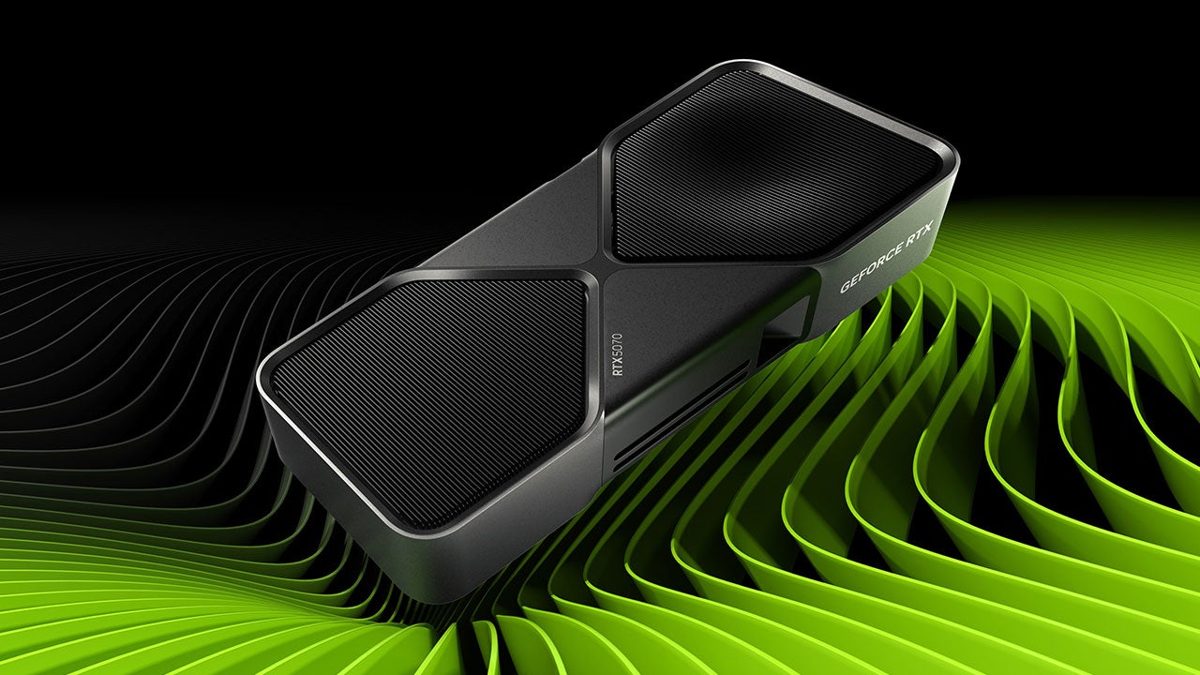
Board partners say AMD will inform its AIBs of January price hikes before CES 2026 ends, while Nvidia’s notice is expected around mid‑February. Neither company has disclosed exact percentages, but channel chatter points to double‑digit increases, possibly multiple rounds, through Q1 and Q2. The timing is strategic: AMD’s Radeon RX 8900 XTX competes in the same $1,500‑$2,000 niche as the RTX 5090, giving Lisa Su’s team a chance to test price elasticity before Nvidia makes its move.
Retailers are already planning. One large EU e‑tailer told me it is pre‑booking Q1 inventory at today’s wholesale rates, hoping to capture a 25‑30 % margin when street prices rise. Boutique brands such as Galax and Zotac, which operate on thinner margins, may pass the hikes through immediately; larger partners like Asus and MSI hold deeper inventory and can sustain launch pricing for a few extra weeks. In practice this means the market will see a staggered wave of price increases from late February through early April, coinciding with the spring build‑season.
RTX 5090’s Road to $5,000
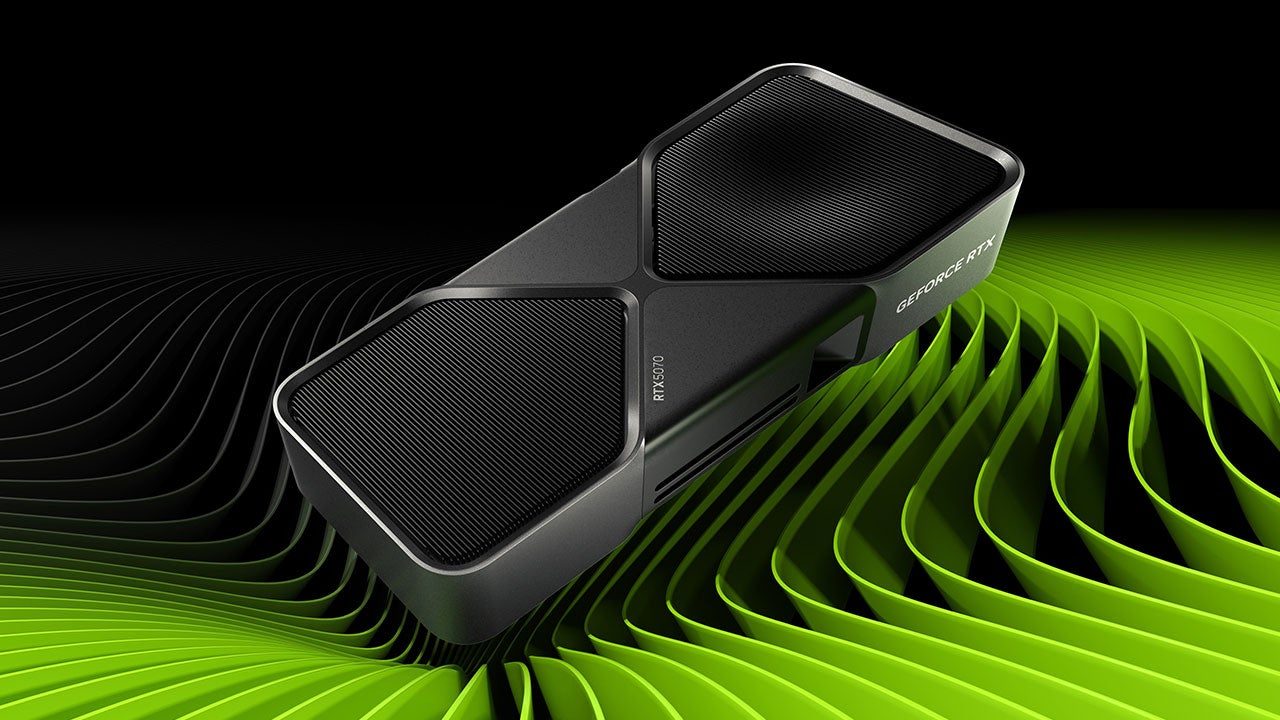
To estimate a retail price, start with component costs. If DRAM stays above $20 per chip and Nvidia applies two 10 % board‑level increases by summer, the landed cost for an AIB partner approaches $2,800 before logistics, marketing, and retailer margin. Adding a typical 20 % retailer markup and a 10 % regional VAT yields a sticker price near $3,700. Scarcity premiums, scalper mark‑ups, and currency fluctuations can add another 30 %, pushing realistic listings toward $4,800‑$5,000, matching the leak projections.
Nvidia is aware of the optics. Internally, a “Founders Edition Lite” with slightly slower memory is being discussed to keep the MSRP under $2,000. At the same time, production volumes for the entire RTX 50 series are rumored to be trimmed by 15 % in calendar 2026, ensuring supply remains tight enough to justify higher pricing. The objective is to protect average selling prices while the AI boom reshapes what both consumers and investors consider “normal.”
The AIB Squeeze: Why Board Partners Can’t Cushion the Blow

Partners such as ASUS, MSI and Gigabyte previously operated on 6‑10 % margins by balancing GPU allocations, cooling solutions, and RGB features. Today they must front‑load cash for memory that can cost more than the GPU die itself. A procurement VP at a Tier‑1 AIB told me on background that Nvidia’s February price sheet will include a non‑negotiable $320 “memory surcharge” per high‑end board, payable 30 days in advance. AMD’s surcharge is rumored to be slightly lower but still above $250, and it comes before the board house has purchased voltage controllers, inductors, or even the enclosure.
Retailers are compounding the pressure. Newegg and Amazon have quietly shifted GPU listings to a “market‑place pricing” model, the same algorithmic approach that turned PS5 and Xbox consoles into $1,200 bundles during the 2021 silicon shortage. Once pre‑hike inventory runs out—expected in late January—SKU‑level prices will refresh nightly. If DDR5 spot quotes climb another 5 %, the RTX 5090 sticker could jump $200 overnight without any formal announcement. Nvidia’s margin stays the same; the retailer captures the upside; gamers pay the difference.
| Component | Share of BOM (RTX 4090, 2023) | Share of BOM (RTX 5090, Jan 2026 est.) |
|---|---|---|
| GPU die | 38 % | 22 % |
| Memory | 24 % | 81 % |
| VRM + PCB | 18 % | 9 % |
| Cooling / Assembly | 12 % | 6 % |
| Margin / Logistics | 8 % | –18 % (loss leader) |
The upshot: unless you secure a card manufactured before the Lunar New Year, you will be buying into a market where memory has moved from supporting role to headline act.
AI’s Shadow: Why Gamers Fund the Datacenter Boom
Every H100 or MI300X shipped to a hyperscaler yields datacenter gross margins above 70 %, while consumer GeForce or Radeon cards generate roughly 20 % margin. From a wafer‑allocation perspective, each square millimetre of 4 nm silicon that ends up in a gamer’s PC represents profit left on the table. Both vendors keep the gaming line alive because it spreads R&D costs across a larger unit base and sustains the developer ecosystem. The memory crunch is quietly rewriting that equation.
Hyperscalers now sign take‑or‑pay contracts for GDDR7 wafers twelve months in advance, effectively turning consumer GPUs into a leftover‑scrap business. If Micron can sell a 16 Gb DDR5 chip to Meta for $20, it has little incentive to offer the same wafer to MSI for $9. Board partners therefore bid on the remaining wafer starts after Amazon and Google have taken their share. Nvidia’s response is to let consumer prices float until demand erosion occurs—economics‑speak for “when gamers stop buying.”
History shows that demand for flagship cards wanes around the $2,500 price point. The RTX 5090 is already approaching that threshold, and if a 32 Gb GDDR7 version appears in Q2, a $5,000 sticker becomes a realistic outcome rather than a headline. The irony is that every extra frame you gain in titles like Cyberpunk 2077 is subsidizing a large‑language‑model training run you will never use. Cloud customers may eventually see cheaper AI inference; gamers receive higher pixel counts and lighter wallets.
Survival Guide: How to Navigate 2026’s GPU Market
If you need a card within the next six months, treat the purchase like airline tickets: set price alerts, be ready to snap up pre‑hike inventory, and avoid waiting for “Ti” variants that may never appear. The secondary market will soon be flooded with used RTX 4080 and 4090 boards as early adopters fund upgrades; expect $700‑$900 pricing that undercuts even post‑cut RTX 5070 models on a performance‑per‑dollar basis. Pay attention to VRAM capacity—10 GB cards already struggle at 4K, and upcoming titles will not downscale textures to save you money.
On the AMD side, RDNA 4 shipments will be smaller than the press slides suggest. Sources indicate AMD is reallocating TSBC 4 nm wafers to Instinct MI350 accelerators, so Radeon supply could dry up faster than Nvidia’s. If you spot an RX 8800 XT at $649, buy it; by March the same SKU could be $899 with no stock left.
Laptop buyers face similar pressure. Mobile GPUs in high‑end notebooks draw from the same DRAM pools, and OEMs such as Dell and Lenovo lock component costs quarters in advance. Expect 2026 gaming‑laptop pricing to rise 25‑30 % versus 2025, with longer lead times. A clearance RTX 4080 laptop—using DDR6 memory that is less contested—offers marginal performance loss at 1600p and may be a sensible stopgap.
Finally, if you can postpone the purchase, do so. New DDR5 capacity from Micron’s Manassas fab and Samsung’s Pyeongtaek Line 3 is slated to come online in late 2026. Spot prices should soften as supply catches up, and both Nvidia and AMD will likely stimulate demand once hyperscaler budgets tighten. A $5,000 RTX 5090 in December could fall to $3,200 by the following Black Friday—still high, but far less absurd.
The GPU market has always been cyclical, but this cycle is different: gamers are not only competing with crypto miners; they are underwriting the AI revolution. Every purchase—or delay—sends a market signal. Make sure yours says, “I’m not paying datacenter rent.”