
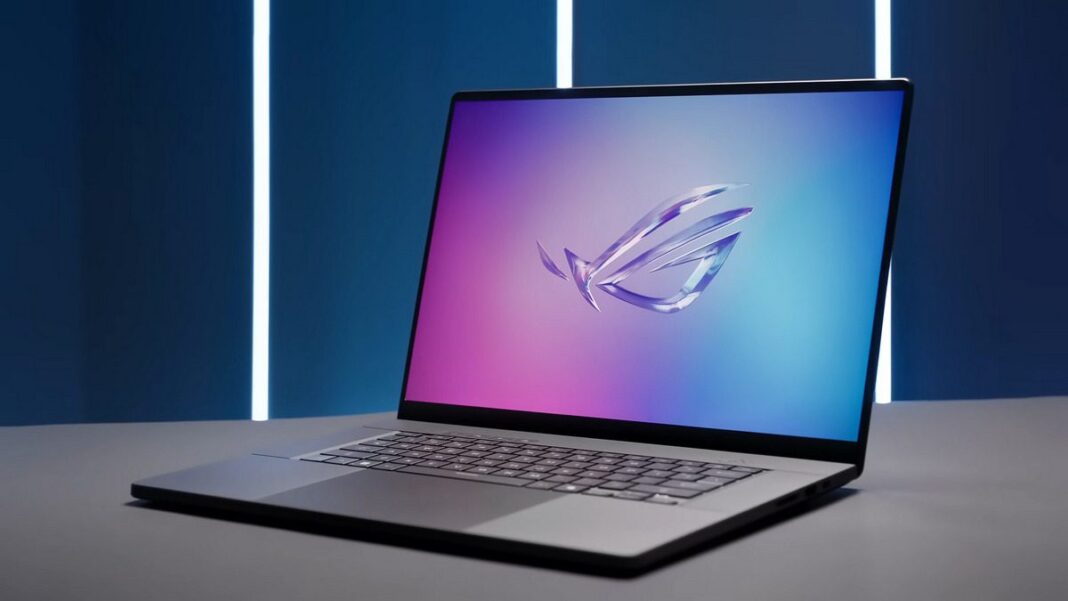


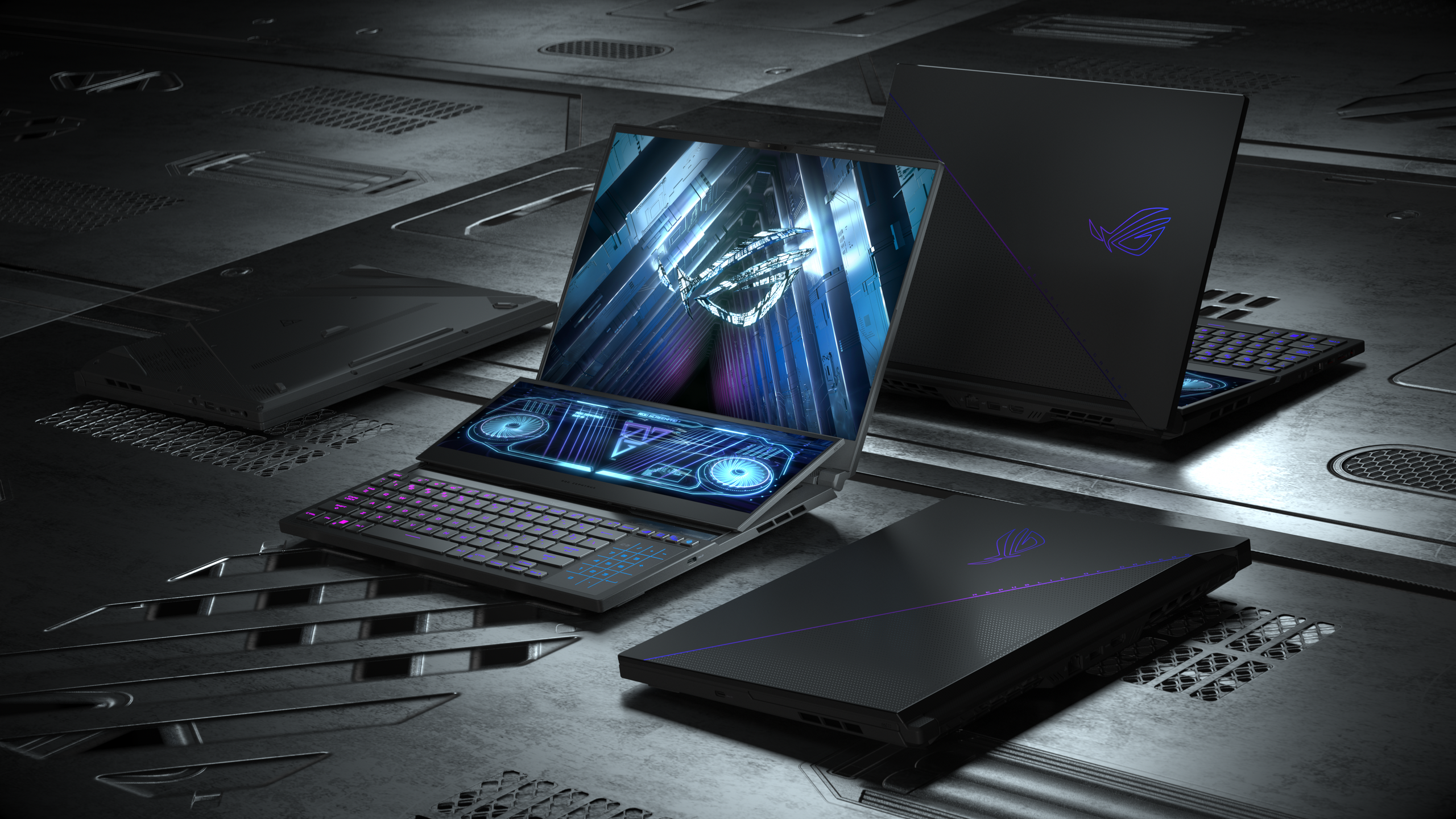
ASUS just delivered a New Year’s shock that’ll make anyone shopping for a laptop, motherboard, or graphics card wince: starting January 5th, 2026, the Taiwanese tech giant is jacking up prices across its entire hardware lineup. The culprit? Not your typical supply chain hiccup or currency fluctuation—this time it’s the AI revolution itself that’s driving component costs through the roof. After watching DRAM prices climb 171% since mid-2025 and NAND storage costs surge 246% in the same period, ASUS apparently reached its breaking point. The company joins a growing chorus of manufacturers who’ve been quietly warning that the AI boom’s insatiable appetite for memory and storage is creating a perfect storm that’s about to hit consumers’ wallets hard.
When AI Hunger Drives Hardware Prices
If you’ve been tracking the semiconductor space, you could see this freight train coming from miles away. The same AI algorithms that power ChatGPT, Midjourney, and countless enterprise applications are voracious consumers of high-bandwidth memory and ultra-fast storage. Every AI training cluster needs massive amounts of DRAM, and the data centers racing to deploy these systems have been buying up components faster than manufacturers can produce them. What started as a niche enterprise problem has now cascaded down to consumer hardware, and ASUS is the latest domino to fall.
The numbers are genuinely staggering. Industry analysts at TrendForce report that DRAM contracts have more than doubled in price since summer, while NAND flash—the stuff that goes into your SSDs—has nearly tripled. These aren’t the incremental 5-10% bumps we’re used to seeing during component shortages. We’re talking about increases that fundamentally change the economics of building a computer. When I spoke with a supply chain manager at a major OEM last month, they described the current market as “unprecedented outside of natural disasters or geopolitical crises.”
ASUS’s move is particularly significant because they’ve historically absorbed component price increases better than most. The company operates on relatively thin margins compared to premium brands like Apple or Razer, making them more vulnerable to cost fluctuations. Their decision to pass these increases directly to consumers signals just how severe the current shortage has become. Unlike previous price hikes that targeted specific product lines, these adjustments will hit virtually everything ASUS makes—from budget motherboards to premium gaming laptops.
Industry-Wide Ripple Effects
ASUS isn’t operating in isolation here. Boutique PC builder Maingear quietly raised prices on custom systems by 15-20% last month, while modular laptop startup Framework announced a $100-200 increase on all configurations. Even Dell, with its massive purchasing power and direct relationships with component manufacturers, warned investors to expect system-level price increases of up to 30% in 2026. When companies of this scale start passing costs to consumers, you know the situation is dire.
The timing couldn’t be worse for the PC industry. After two years of post-pandemic decline, shipments were finally showing signs of recovery. Gaming laptops were flying off shelves, business refresh cycles were accelerating, and the AI PC category promised to drive a new wave of upgrades. Now TrendForce is projecting laptop shipments could contract another 5.4% to 10.1% year-over-year as manufacturers struggle with these cost pressures. It’s a brutal reversal that could derail the entire industry’s recovery narrative.
Perhaps most concerning is Micron’s recent decision to shutter its Crucial consumer brand entirely. The memory giant’s CEO warned investors that supply constraints could persist “beyond calendar 2026,” suggesting we’re looking at a multi-year problem rather than a temporary blip. When memory manufacturers themselves are exiting consumer markets, it underscores how fundamentally the AI boom has reshaped demand patterns. The same company’s consumer SSDs that were flooding Amazon at Black Friday prices just a year ago are now selling for double or triple their previous rates—if you can find them at all.
The Ripple Effect: Who Gets Hit Hardest
While ASUS hasn’t disclosed exact percentages, industry chatter suggests we’re looking at 15-25% increases on gaming laptops and enthusiast motherboards, with workstation components potentially seeing even steeper hikes. The cruel irony? The same AI workloads driving these price increases are exactly what many consumers are buying hardware to run locally. Content creators eyeing AI-enhanced video editing rigs, developers experimenting with local LLM deployments, and gamers wanting to future-proof their systems are all caught in the crossfire.
What’s particularly brutal is the timing. January traditionally marks the post-holiday lull when retailers clear inventory with aggressive discounts. Instead, consumers will face sticker shock on components that were already premium-priced. The data from TrendForce paints a bleak picture: laptop shipments could contract 5.4% to 10.1% year-over-year as these memory costs cascade through the supply chain. This isn’t just ASUS being greedy—the entire ecosystem is breaking under AI’s computational demands.
Smaller system builders are getting absolutely crushed. Maingear and Framework have already announced similar increases, with some boutique PC builders privately telling me they’re considering halting custom orders entirely until pricing stabilizes. When even Micron has shuttered its Crucial consumer brand due to supply constraints, you know we’re in uncharted territory. The CEO’s warning that tight conditions could extend “beyond calendar 2026” should send chills down any enthusiast’s spine.
The Enterprise Exception: Why Businesses Might Dodge the Bullet
Here’s where it gets interesting—and frankly, infuriating—for average consumers. Enterprise customers are largely insulated from these increases through long-term supply agreements negotiated before the AI boom exploded. Dell’s disclosed 30% hikes primarily affect their consumer and small business segments, while their enterprise clients enjoy locked-in pricing through 2026. The same DRAM chips that cost consumers $180 for a 32GB kit are moving to enterprise buyers at pre-boom contract rates around $65.
This two-tier market is creating bizarre distortions. Cloud providers like AWS and Azure are actually reducing their instance pricing as they benefit from these enterprise contracts, while individuals building home servers face tripling costs. The ISO standards for enterprise procurement that mandate multi-year supplier agreements—originally designed for stability—have accidentally created a reverse Robin Hood scenario where individual enthusiasts subsidize corporate cloud infrastructure.
| Component | Consumer Price (Jan 2025) | Consumer Price (Jan 2026) | Enterprise Contract Price |
|---|---|---|---|
| 32GB DDR5-5600 | $89 | $239 | $65 |
| 2TB NVMe Gen4 | $99 | $279 | $78 |
| Mid-range GPU | $499 | $649 | $429 |
Survival Strategies for the New Reality
So what’s a tech enthusiast to do? First, abandon any hope of timing the market—these shortages aren’t artificial. The Semiconductor Industry Association reports that memory fabs are running at 98% capacity, with new facilities still 18-24 months from production. Unlike previous shortages, this isn’t about crypto miners or scalpers—it’s fundamental supply-demand physics.
Your best bet is embracing the secondary market strategically. Enterprise decommissioned hardware from data centers upgrading to AI-optimized systems is flooding auction sites. A 64GB DDR4 ECC kit pulled from a server refresh costs less than new 32GB DDR5 consumer memory, and many high-end motherboards support ECC operation. Similarly, enterprise NVMe drives with higher endurance ratings often outperform consumer equivalents at half the price.
For new purchases, consider the “good enough” approach. That mid-range GPU that seemed pedestrian in 2025? It suddenly looks brilliant when high-end cards carry $300+ premiums. The same applies to CPUs—AMD’s non-X variants and Intel’s locked processors offer 95% of performance at pre-boom pricing. Most importantly, buy only what you need immediately. The upgrade cycle that’s driven PC building for decades is dead; extend what you have and upgrade components individually when pricing normalizes.
The harsh reality is that we’re witnessing the end of consumer computing as we knew it. When Moore’s Law met AI’s exponential demands, something had to give—and it wasn’t going to be the trillion-dollar cloud infrastructure market. ASUS’s price increases aren’t the disease; they’re a symptom of an industry transitioning from personal computing to AI-accelerated everything. The question isn’t whether we’ll adapt to this new pricing reality, but whether enthusiast computing survives the transition at all.