
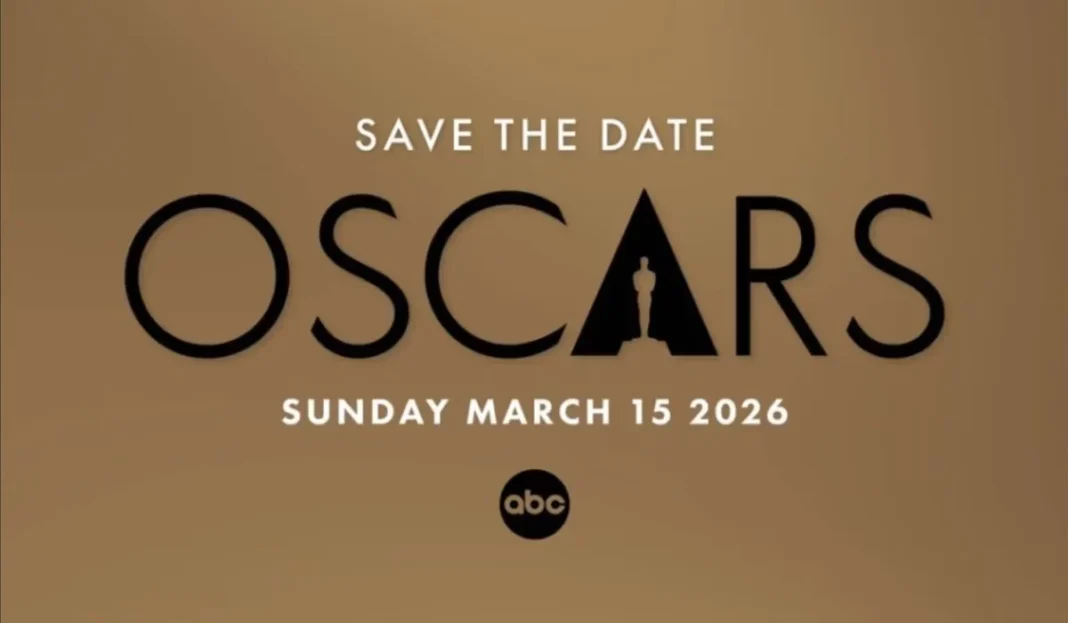


The golden statues are staying on their shelves for three extra weeks, and Hollywood is already recalibrating every stopwatch in town. When the Academy announced that the 2026 Oscars will move from its traditional late-February slot to March 10, the collective gasp from publicists, campaign strategists, and awards-season veterans echoed down Wilshire Boulevard. In an industry where premiere dates are plotted like troop movements, this calendar shift is tantamount to shifting tectonic plates beneath the red carpet.
For casual viewers, the move might sound like trivia—another quirky footnote in a season already bloated with trophies. But inside the Dolby Theatre, where orchestra seats are traded like commodity futures, those extra 21 days will ripple through everything from studio marketing budgets to the tuxedo-rental economy. Campaign consultants who have spent decades perfecting the rhythm of “for your consideration” mailers, star-studded Q&As, and whisper-network lobbying now face a marathon extended by one crucial lap. The question isn’t simply when the Oscars will happen; it’s whether the entire awards ecosystem can survive the stretch without snapping.
The Domino Effect on Awards Season
Picture the calendar as a crowded highway where every awards show is an 18-wheeler trying to merge. The Grammys, Golden Globes, Critics Choice, SAG Awards, and the BAFTAs all jockey for the same airwaves, celebrity attendance, and—most precious—audience attention. By shifting the Oscars to March 10, the Academy just slammed on the brakes, forcing every other ceremony to recalculate speed and distance. Insiders predict the BAFTAs will slide deeper into February, while the Independent Spirit Awards may creep toward early March, creating a logjam of tuxedos and tearful acceptance speeches.
For publicists, the recalibration is already inducing migraines. “We’ve built campaigns around a cadence—holiday screens, guild nominations, the post-Globes momentum,” one veteran awards strategist confided, clutching a coffee cup like a life preserver. “Now we have to keep buzz alive for an extra month without exhausting our talent or our budget.” Translation: more late-night talk-show bookings, more panel discussions at the Academy Museum, and more whispered pleas to voters who just want to watch The Bear in peace. The extension also gives late-breaking films—those stealthy indie gems that premiere at Sundance or Berlin—room to breathe, potentially upending the traditional hierarchy of studio juggernauts.
Studios Scramble: Blockbusters vs. Oscar Bait
Every spring, studio spreadsheets bloom with color-coded timelines mapping prestige releases to optimum Oscar momentum. A March ceremony means the lucrative President’s Day corridor—once a safe zone for tentpoles—now overlaps with the final phase of Academy voting. The result? Marketing departments must simultaneously sell superheroes to general audiences and cerebral dramas to 9,000-odd industry voters. Universal, for instance, could find itself promoting both a CGI-laden franchise entry and a searing character study on the same morning shows, bifurcating ad budgets and brand identity.
Meanwhile, streaming platforms—those deep-pocketed disruptors who’ve already rewritten the rules—see opportunity. Apple TV+ and Netflix can drop a prestige miniseries or a surprise documentary in early February, dominate the cultural conversation for weeks, and still qualify for the newly distant Oscar cutoff. Traditional studios, shackled to theatrical windows, don’t have that luxury. Expect to see bolder limited-release strategies: one-week qualifying runs in Los Angeles and New York, followed by a slow expansion through March, all designed to keep a film “fresh” in voters’ minds without cannibalizing box-office receipts.
And then there’s the human factor—talent availability. A-list actors love the Oscars, but they also have shoot schedules that lock in months ahead. Those extra three weeks could clash with spring production starts in Atlanta, Budapest, or Sydney. The result: more prerecorded speeches, more awkward satellite link-ups, and a red carpet dotted with last-minute substitutes. Designers, already stretched by European fashion weeks, must now craft custom gowns under tighter deadlines, while jewelers fret over insurance for multimillion-dollar diamonds that might not see camera flashes after all.
The Marketing War Chest Gets a Second Wind
Three extra weeks in awards season is like discovering an unused fuel tank in the middle of a cross-country race. Studios that watched their contenders peak too early—think September festival darlings that fizzled by December—suddenly have room for a second breath. The smart money is already reallocating: television spots that were cancelled after the Super Bowl are being rebooked, billboard inventory along Sunset is being renegotiated, and the dreaded “we’ve run out of money” phone calls to consultants are being replaced with “what else can we do?”
One veteran strategist told me over iced coffee at the Brentwood Country Mart that the extension is worth “at minimum, another $2 million per studio in pure campaigning oxygen.” That’s enough to fly a director to three additional guild screenings, host two more champagne receptions, and plaster trade-publication covers with last-minute “narrative correction” profiles. The irony? The Academy’s stated goal is to reduce campaigning excess, yet the calendar shift just handed the studios a bigger megaphone.
Meanwhile, boutique distributors—the A24s, Neons, and Searchlights of the world—are scrambling. Their slates are precision-timed to crest in late February, when their modest marketing budgets still look competitive against studio juggernauts. With the new March date, a January surprise hit from Sundance can now enter the race, secure a theatrical run, and build word-of-mouth without being steamrolled by year-end blockbusters. The underdog just got a longer leash.
Global Voters, Global Headaches
The Academy’s 11,000-plus voters are scattered across 80 countries, and March 10 lands smack in the middle of China’s Two Sessions political meetings, Ramadan observance for a significant Muslim voting bloc, and the start of European university exam season—all windows when screeners are traditionally lower on the priority list. One international voter in Brussels admitted she usually binge-watches the last ten documentaries on a single snowy weekend; this year that weekend shifts into a period when her teenagers need chauffeuring to mid-term study groups. “I’m looking at three Sundays instead of two,” she sighed. “That’s the difference between thoughtful viewing and background Netflix folding-laundry mode.”
| Region | Traditional Conflict | 2026 Added Obstacle |
|---|---|---|
| Mainland China | Spring Festival travel | Two Sessions blackout on VPNs |
| Middle East & N. Africa | Weekend work schedules | Ramadan fasting & late-night screenings |
| Western Europe | Christmas holidays | University exam proctoring duties |
To compensate, the Academy is quietly extending the streaming window for nominated films on its members-only platform and adding Arabic and Mandarin subtitle tracks within 48 hours of nomination. Whether that’s enough to keep global turnout high remains to be seen; anecdotal whispers suggest branches are already lowering the quorum threshold for certain preliminary votes.
The Red-Carpet Economy: Winners, Losers, and the Zipper Makers
If you thought the date shift only mattered to cinephiles, talk to the woman who hand-beads silk tulle in a Garment District loft or the valet company that parks 1,200 cars in tuxedo-black perfection. The Oscars’ migration to March extends gala season into a fiscal quarter that traditionally belongs to post-holiday retail recovery. Hotels that once offered shoulder-season discounts are now holding rates at New-Year’s-Eve levels; limo companies are dusting off stretch Teslas they retired during the pandemic slump.
But the real windfall belongs to security contractors. The Governors Ball and the Vanity Fair party now sit closer to St. Patrick’s Day and March Madness tip-off, two events that siphon off off-duty LAPD resources. Private firms have upped quotes by 18 percent, according to one logistics coordinator, and that’s before the after-party tents expand to accommodate out-of-town basketball fans who booked weekend escapes before the date change was announced.
Los Angeles tourism boards predict an extra $120 million in direct spending—enough to ripple from Rodeo Drive to the taco trucks that idle outside after-parties, scooping carnitas for stylists who missed the buffet. Even zipper manufacturers feel the bump: late-March humidity trends warmer, pushing actresses toward lighter gowns that require—yes—more delicate fasteners. Somewhere in North Carolina, a factory just accepted a rush order for 24-karat gold-plated zips, proof that the Oscars’ shadow touches places the cameras never go.
A Final Take from the Cheap Seats
I’ve watched the season from both sides of the velvet rope—once as a kid in Dublin staying up past midnight to see if The Commitments might nab a sound mixing statue, now as a bleary-eyed reporter tallying screeners on my living-room floor. The March move feels like the Academy is finally admitting what the rest of us suspected: the race had become a sprint that rewarded noise over nuance. Whether an extra three weeks will yield wiser choices or just louder campaigns is up to the voters, but at least the conversation has room to breathe.
History tells us calendar tweaks come in cycles; the ceremony bounced around through the 1950s before settling into its February slot. What feels seismic today will, a decade from now, be trivia in a TCM montage. Until then, I’ll relish the small mercies: an awards season that no longer collides with my niece’s birthday, a little more February sunlight untainted by red-carpet glow, and the quiet hope that somewhere a production assistant gets three extra Sundays to fall in love with the movies again. The statues can wait; the stories, impatient as ever, keep coming.