


Title: Romance Scams Just Cost Her $1M
Content:
Romance scams have become increasingly sophisticated, with scammers using advanced social engineering tactics to deceive victims into sending large sums of money. A recent case that has garnered significant attention is that of a woman who lost a staggering $1 million to a romance scammer. The scammer employed a range of tactics to gain the victim’s trust, including manipulating her emotions and using convincing online personas.
The Anatomy of a Romance Scam
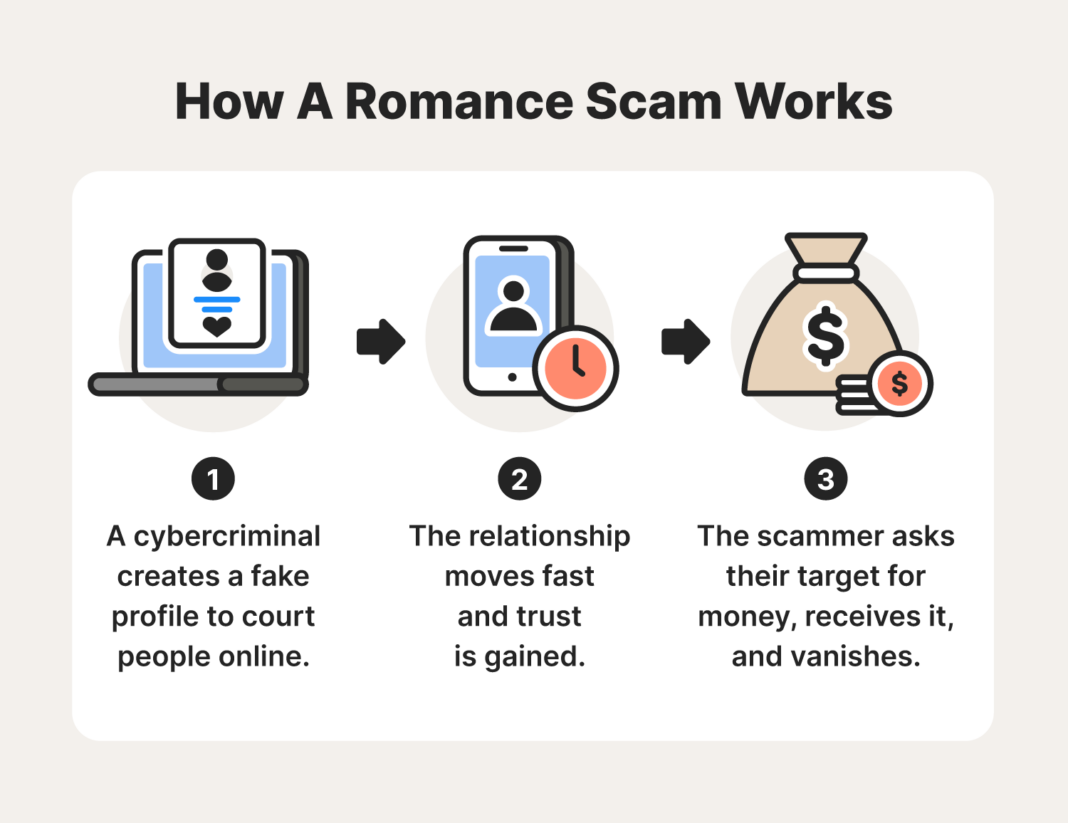
Romance scams typically begin with a scammer creating a fake online profile, often using stolen photos and fabricated personal details. They then initiate contact with potential victims, usually through dating websites or social media platforms. In the case of the $1 million victim, the scammer posed as a successful businessman, claiming to be in a high-profile profession and using this fabricated identity to gain the victim’s trust.
The scammer built a rapport with the victim through lengthy online conversations or phone calls, sharing fabricated stories and emotions to create a false sense of intimacy and connection. As the relationship progressed, the scammer began to make requests for money, citing emergencies or financial difficulties. The victim was convinced to send large sums of money, which the scammer claimed was needed to resolve various issues.
Romance scammers often use psychological manipulation to control their victims, making it difficult for them to recognize the scam. By creating a sense of dependency and emotional attachment, scammers can keep victims invested in the relationship, even when faced with red flags or suspicious behavior.
Technological Tools Used by Scammers
Romance scammers are increasingly using advanced technological tools to facilitate their scams. They employ deepfake technology to create convincing video and audio recordings, and may use phishing emails or malware to gain access to victims’ personal and financial information.
The $1 million victim’s case highlights the complexity of romance scams, and the need for further investigation to understand the technological tools used by the scammer.
The Growing Threat of Romance Scams
The FBI’s Internet Crime Complaint Center (IC3) reports a substantial rise in complaints related to romance scams in recent years. Victims lost over $304 million to romance scams in 2020 alone, with the average loss per victim being around $75,000.
As online dating continues to grow in popularity, romance scams are likely to become even more prevalent. Individuals must be aware of the warning signs, including requests for money, suspicious behavior, and inconsistencies in the scammer’s story.
The Financial and Emotional Toll of Romance Scams
The financial impact of romance scams can be devastating, as seen in the case of the woman who lost $1 million. The emotional toll is equally significant, with victims experiencing feelings of shame, guilt, and anxiety, which can lead to long-term psychological trauma. The FBI advises individuals to be cautious when interacting with people online, especially if they request money or personal information. By working together, regulators, law enforcement, and online platforms can help reduce the prevalence and impact of romance scams.
The case of the woman who lost $1 million to a romance scammer highlights the complexity of the issue and the need for a multifaceted approach to prevent and detect romance scams. By understanding the tactics used by scammers, leveraging technology, and working together to regulate online platforms, we can reduce the financial and emotional toll of romance scams.