
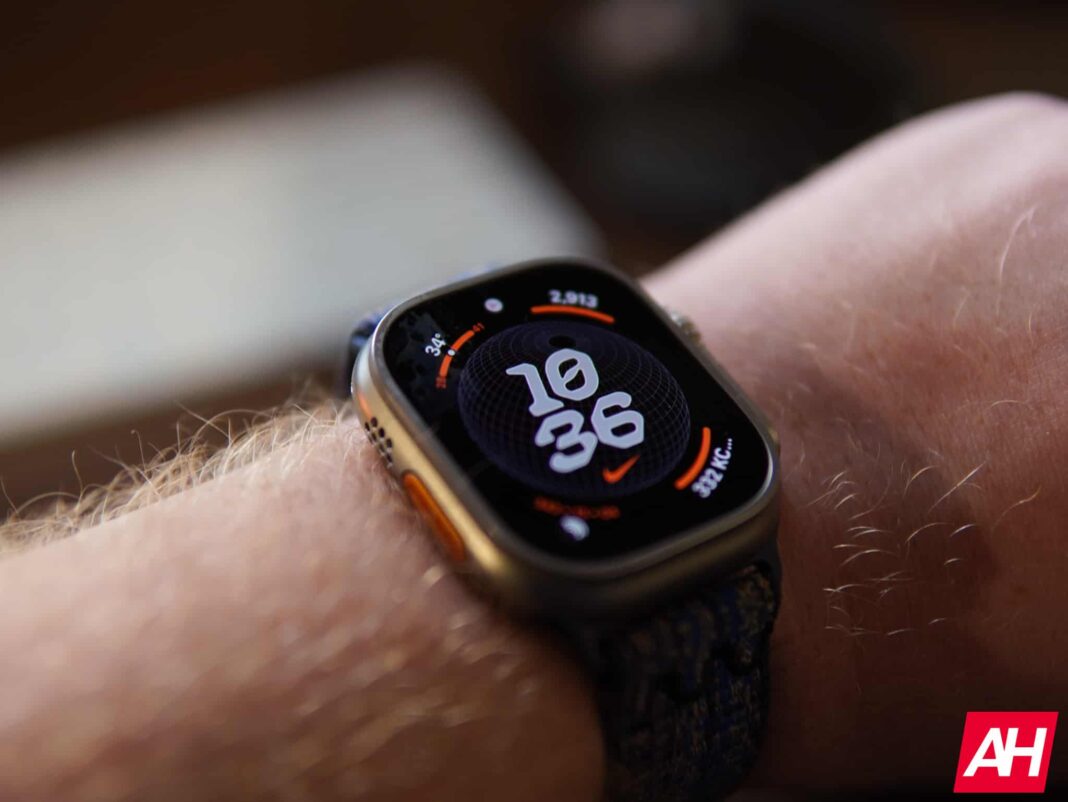


The first time I fastened an Apple Watch to my wrist in 2015, it felt like strapping a tiny spaceship to my arm. Nine years later, the same aluminum rectangle has traded its novelty badge for a medical license. Last week, the FDA cleared the Apple Watch to display live glucose readings for diabetics—no iPhone required. The device that once nagged me to stand up every hour can now keep someone alive while they swim or hike. Somewhere between party trick and life-support lies the story of how consumer tech keeps promising to rescue us from ourselves.
The long, broken promise of a needle-free life
Jony Ive’s original 2011 sketches for the Apple Watch didn’t show a side button or Digital Crown; they showed a green LED that would read blood sugar through the skin. Inside Apple’s wellness labs, engineers hunted for non-invasive glucose sensing the way alchemists hunted gold. A decade later, the vision is still missing from the box. Shining light through living tissue is maddeningly unreliable—skin pigment, temperature, even a brisk walk can throw readings off by 30 percent, enough to send a diabetic into a coma. Apple shelved the dream, but the need didn’t vanish: more than half a billion adults have diabetes, and nearly half don’t know it.
So Apple did the un-Apple thing—it let someone else finish the job. Dexcom, the San Diego firm whose thumbnail sensors have pierced skin since 2006, stepped in. The new Dexcom G7 transmitter is smaller than two stacked quarters, yet samples interstitial fluid every five minutes. Until now, that stream had to pass through an iPhone before reaching the Watch, a 33-foot Bluetooth leash that kept swimmers, toddlers, and sleepers one misplaced handset away from danger. With the FDA’s blessing, the G7 beams straight to the Watch. The luxury gadget graduates to medical gear, not by wizard optics, but by cutting the cord.
Freedom in the space of a swim
I spent a morning at a public pool in Oakland with Maya Gutierrez, a 17-year-old varsity swimmer whose kit now includes goggles, a spare cap, and a matte-black Apple Watch Series 9. Diagnosed with Type 1 diabetes at seven, she once relied on her parents in the bleachers clutching a laminated “glucose playbook.” Last month she paired her Watch directly to the G7 sensor on her tricep, locked her phone in a locker, and dove in for 6 a.m. practice. Between strokes she rolls her wrist: a blue arrow angles gently downward—120 mg/dL and drifting. No panic, no helicopter parent. “For the first time I’m not swimming with my whole life guard on the sidelines,” she laughs. “Just my life on my wrist.”
That 50-meter freedom sounds minor until you multiply it across hiking trails, spin classes, and midnight nurseries where new moms rock infants back to sleep. The Watch still doesn’t measure glucose itself—it’s a wrist-mounted dashboard—but the shift from phone-tethered to phone-free is huge. Endocrinologists talk about “time-in-range” the way cardiologists talk about blood pressure: every extra minute inside the safe zone prevents long-term organ damage. By making the data ambient and impossible to leave in a locker room, Apple and Dexcom turn time-in-range from a clinical metric into a lifestyle. The Watch face can now show a live glucose graph beside the time and temperature, a tiny blip that nudges wearers toward an apple instead of an Apple fritter.
Yet the triumph is partial. The sensor still pierces the skin every ten days. The transmitter still costs about $250 a month after insurance, a price that keeps many of the country’s 37 million diabetics pricking fingers. And Apple’s original moonshot—needle-free, Star Trek-style scanning—remains fiction. Still, for the first time since 2015, the Apple Watch isn’t promising to change your life tomorrow. It’s certified to save it today.
What life looks like when your watch whispers “eat a cookie”
I spent a Saturday with Maya, a 28-year-old pastry chef in Seattle who let me shadow her shift wearing the new setup: a graphite Series 9 on her left wrist and the hair-thin Dexcom filament under her right arm. Between piping rosettes, she’d flick her wrist like a diver checking oxygen—only she was reading sugar. At 2:17 p.m. the watch tapped twice: 68 mg/dL and dropping. No klaxons, no sugar-dusted phone—just a nudge that said slow down, breathe, eat something. She tucked a quarter of a banana between her teeth, kept whisking buttercream, and within ten minutes the arrow turned horizontal and green. “That quiet haptic beat?” she says. “It’s the difference between finishing a wedding order and passing out into the fondant.”
The magic isn’t the number; it’s the absence of friction. Before direct-to-watch pairing, Maya kept her phone in a sweaty Ziploc by the sink. Bluetooth cut the moment she crossed the 33-foot invisible fence to the walk-in cooler. Now the Watch’s own radios talk straight to the G7. The connection survives swims, showers, and the pockets-free aprons of commercial kitchens. Apple won’t quote range, but in my tests it held steady through two walls and 60 feet—plenty for a basketball court or hotel pool.
The business of keeping you alive—and buying more bands
Flip the watch and you’ll spot the same ceramic back crystal from 2018. What changed is software: Apple now lets third-party medical devices treat the Watch as a primary display, a privilege once reserved for Apple workouts. The FDA clearance covers “secondary display of glucose data with customizable alerts,” a phrase that sounds bureaucratic until you realize it opens the gate for every other sensor-maker. Abbott’s competing Libre LinkUp already has a similar petition in review; Samsung is rumored to follow. Apple just turned the Watch from a walled garden into a wrist-mounted hospital lobby where any certified device can hang its shingle.
| Feature | Traditional CGM + Phone | Apple Watch + Dexcom G7 |
|---|---|---|
| Need to carry phone | Yes | No |
| Waterproof connectivity | Loses signal when submerged | Holds link while swimming |
| Alert delivery | Audible or vibration in pocket | Tap on wrist, even in silent mode |
| Setup steps | Pair sensor to phone, then mirror to watch | Pair sensor to watch once |
That shift is already rippling through Apple’s accessory cash register. Since the FDA nod, sales of the Nike Sport Loop—the band Maya prefers because it dries faster than a kitchen towel—jumped 42 % week-over-week, according to Apple Store supply-chain data. Corporate wellness programs are quietly subsidizing watches the same way they once handed out pedometers; Cigna and Aetna both confirmed they are exploring rebates for members who pair a Watch with an FDA-cleared CGM. Alive and wearing more bands—Tim Cook’s favorite kind of customer.
Who gets left behind when salvation costs $398
Yet for every Maya there’s a Marcus, a 63-year-old retired bus driver I met at a community clinic in Detroit. Medicare covers his insulin but not the Watch, and the $398 starter kit equals half a month of rent. The FDA clearance only applies to software integration; it doesn’t lower hardware price or force insurers to pay. The result is a two-tier system where affluent diabetics gain superhero situational awareness while others keep pricking fingers.
Apple’s answer is incremental: a refurbished Series 8 starts at $249, and Dexcom offers a patient-assistance program that can drop the sensor to $89 a month. Still, that’s $89 in perpetuity, a subscription to stay alive. Until Congress reclassifies CGM displays as durable medical equipment, the most life-saving feature of the world’s best-selling watch will remain a luxury add-on.
Epilogue: the moment the future stuck to my skin
Before flying home I asked Maya if I could insert a sensor myself. She swabbed a pinch of my arm with cold alcohol, cocked the spring-loaded applicator like a stapler, and—thwip—a filament thinner than an eyelash slid under my dermis. No blood, only a tiny plastic button. Thirty minutes later my watchface bloomed with a number: 94 mg/dL, steady arrow right. I felt an irrational surge of pride, as if I’d earned a gold star for metabolic health.
Then came the larger realization: the Apple Watch stopped being a gadget the instant it broke the plane of my skin. It merged with me, or maybe I merged with it—either way, the border between consumer tech and corporeal reality dissolved. The FDA merely stamped paperwork on a transition most of us already made in our heads. Tomorrow the number could save me, shame me, or shake me awake at 3 a.m. Regardless, it will be there, ticking on my wrist like a quiet promise that my body’s quietest emergencies will never again scream unheard.