
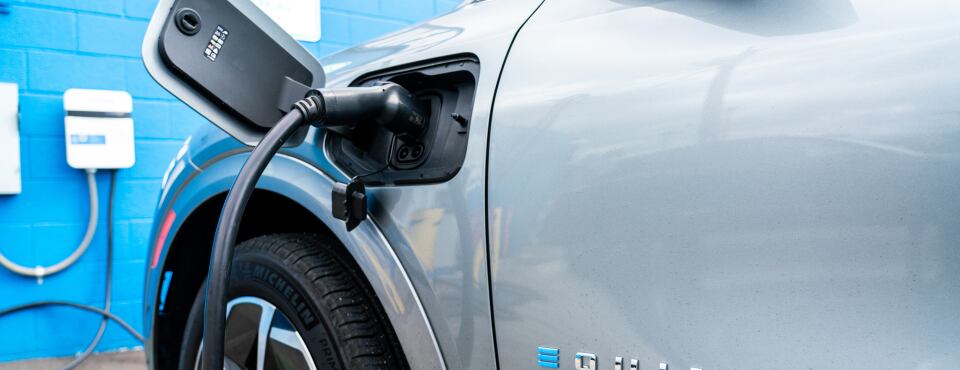


The electric vehicle (EV) revolution was supposed to be the future of transportation, and General Motors (GM) was betting big on it. But now, the automaker’s ambitious plans have hit a roadblock. In a stunning revelation, GM announced that it will take an additional $6 billion in charges related to its electric vehicle and battery operations, swelling the total writedowns to a staggering $7.6 billion. This massive impairment raises questions about the viability of GM’s EV strategy and the future of the industry as a whole.
The EV Dream Turns Nightmare
GM’s electric vehicle bet has been a costly one. The company has invested heavily in developing new EV models, building battery factories, and securing supplies of critical components. But as demand for EVs has crumbled in the US, GM has been forced to take a massive writedown on its investments. The $7.6 billion charge is a significant blow to the company’s bottom line, and it’s clear that GM’s EV strategy needs a rethink. According to sources, the charges are largely related to the company’s battery cell manufacturing and EV infrastructure development.
A Sector in Crisis
The EV sector has been facing significant headwinds in recent months. Slowing demand, increased competition, and supply chain disruptions have all taken a toll on EV manufacturers. GM is not alone in its struggles, with other automakers also feeling the pinch. But the scale of GM’s writedowns is particularly striking, and it raises questions about the company’s ability to compete in the EV market. As one analyst noted, “GM’s EV strategy has been aggressive, but it’s clear that the company underestimated the challenges of launching new EV models and building out its battery infrastructure.”
Restructuring and Rebirth
In a bid to turn its EV business around, GM is planning a major restructuring. The company expects to take an additional $1.1 billion writedown, largely related to restructuring costs. This will involve significant job cuts, plant closures, and a refocusing of the company’s EV strategy. While this painful process may ultimately make GM more competitive in the EV market, it’s clear that the company has a long and difficult road ahead of it. As GM’s CEO, Mary Barra, noted, “We are taking decisive action to address the challenges in our EV business and position the company for long-term success.” But with the EV market evolving rapidly, it’s unclear whether GM’s new strategy will be enough to regain ground.
The clock is ticking for GM to get its EV business back on track. The question on everyone’s mind is: can the company recover from this setback and emerge as a leader in the EV market? Only time will tell. For now, one thing is certain – GM’s $7.6 billion EV bet has imploded, and the consequences will be far-reaching.
The Ripple Effect on Workers and Communities
When a balance‑sheet line swells by billions, the headline often eclipses the quieter, human stories that unfold in factories, suburbs, and town halls. The $7.6 billion in writedowns is not just an accounting entry; it translates into a cascade of decisions that affect the lives of thousands of people who have built their futures around GM’s electric‑vehicle dream.
At the heart of the charge are two sprawling battery plants—one in the U.S. Securities and Exchange Commission have flagged the writedown as a “material event” that may influence future earnings guidance.
Strategic Crossroads: What Comes Next?
Every crisis contains the seed of opportunity. For GM, the next chapter hinges on three interlocking decisions:
- Prioritizing Platform Consolidation – By narrowing the Ultium architecture to a single, scalable cell design, GM can reduce R&D overhead and improve supply‑chain predictability.
- Leveraging Partnerships – Collaborative ventures with battery specialists (e.g., South Korean firms) and software firms can offset capital intensity while accelerating time‑to‑market for next‑gen EVs.
- Embedding a “Just Transition” Blueprint – Aligning federal EV tax credits with workforce‑development grants will not only smooth the human impact but also bolster GM’s social license to operate.
These moves echo the broader industry narrative: the EV transition is less a straight line and more a winding road through valleys of uncertainty and peaks of innovation. Companies that navigate with both fiscal prudence and human empathy are likely to emerge as the true pioneers of the new mobility era.
Looking Forward
Standing at the crossroads of ambition and reality, GM’s $7.6 billion writedown reads like a cautionary tale scribbled on a garage‑door whiteboard: “Dream big, but keep the floorboards sturdy.” The numbers tell a story of over‑extension, yet the faces of workers like Maria remind us that the stakes are lived, not just logged.
My perspective is that this implosion is not the end of GM’s electric journey but a pivotal reset. By embracing a more measured rollout, deepening collaborative ecosystems, and foregrounding the communities that power its factories, GM can transform a financial scar into a roadmap for sustainable growth. The road ahead will be uneven, but if the automaker can balance the ledger with the lived experience of its people, the next chapter may yet be one of redemption—an electric future built on resilience as much as on battery cells.