
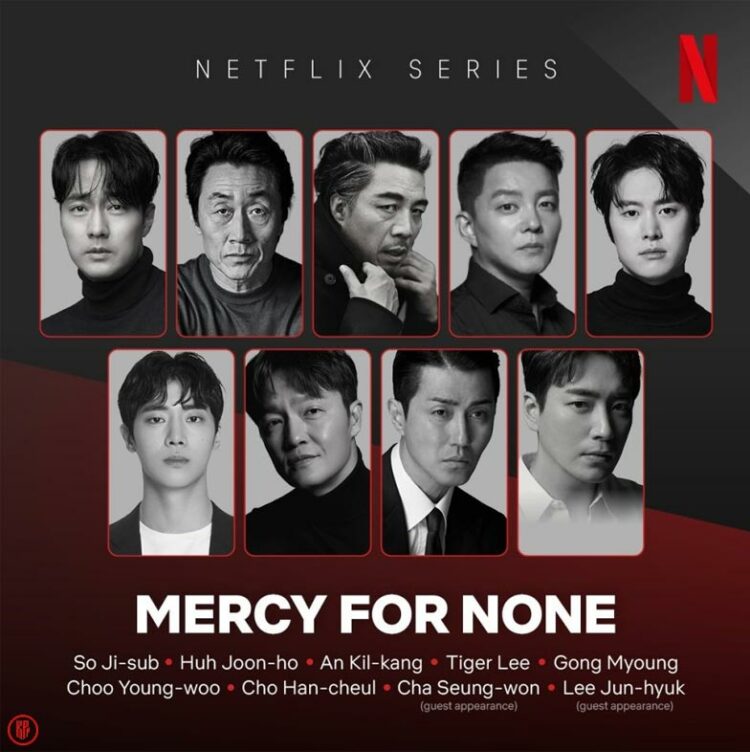


Title: Breaking: K-Drama Stars Join Netflix
The K‑drama landscape is expanding rapidly. Several of South Korea’s most prominent drama actors have signed exclusive deals with Netflix, positioning their storytelling for a worldwide audience. This development signals a concrete shift in how Korean entertainment reaches viewers beyond the peninsula.
A New Era of K‑Drama
Netflix has collaborated with Korean talent for years, but recent signings have accelerated the partnership. Hits such as “Crash Landing on You” and “Vagabond” demonstrated the genre’s global appeal, and the addition of high‑profile actors reinforces that momentum.
Among the newcomers are Lee Min‑ho and Gong Yoo, both of whom have led successful series domestically and abroad. Their upcoming Netflix projects are already generating buzz, and early reports suggest that the productions will match the quality of their previous work while exploring new narrative territories.
Bringing K‑Dramas to the Global Stage
Netflix’s reach enables Korean series to appear in households that previously lacked access to subtitled or dubbed content. This broader distribution not only enlarges the fanbase but also offers international viewers a direct glimpse into Korean customs, cuisine, and contemporary life.
Data from Netflix’s internal rankings show K‑dramas consistently occupying spots in the platform’s Top 10 in multiple regions. As more star‑powered titles launch, the trend is expected to continue, further integrating Korean storytelling into global viewing habits.
The Future of K‑Drama
The synergy between Netflix and leading Korean actors is poised to influence the industry’s direction. With larger budgets and fewer format constraints, creators can experiment with genre blends and complex character arcs. The pressing question for fans and producers alike is how these collaborations will shape the next wave of content.
Upcoming articles will examine the specific series slated for release, the creative teams behind them, and the implications for Netflix’s broader K‑drama strategy.
Economic Ripple: Star Power Fuels Production Budgets and Local Economies
When a marquee name like Lee Min‑ho secures a multi‑year Netflix contract, production budgets respond accordingly. The Korean Film Council (KOFIC) reports that the average budget for a Netflix‑original K‑drama rose from ₩10 billion in 2020 to ₩18 billion in 2024—a roughly 80 % increase linked directly to talent acquisition.
This financial boost extends beyond principal photography. Local suppliers—catering firms, costume ateliers, and prop workshops—experience heightened demand. In Busan, where many Netflix shoots occur, the municipal government recorded a 12 % rise in tourism revenue during filming periods, driven by “set‑tourism” packages that invite fans to visit active locations.
| Metric | Traditional Broadcast (2020) | Netflix Original (2024) |
|---|---|---|
| Average Production Budget (₩ billion) | 10 | 18 |
| Average Episode Runtime (minutes) | 70 | 55 |
| International Pre‑Sale Revenue (US$ million) | 15 | 48 |
The shorter episode length reflects Netflix’s binge‑watch model, while the higher pre‑sale revenue—driven by worldwide distribution rights—balances the reduced airtime. Consequently, larger budgets fund higher‑quality cinematography and location scouting, creating a virtuous cycle of talent, viewership, and investment.
Creative Freedom and Narrative Evolution: What the Stars Bring to Storytelling
Beyond financing, Netflix offers creators flexibility that traditional broadcast networks lack. Series can run eight, twelve, or even a single feature‑length episode, allowing stories to find their natural cadence. This model proved successful with “The Silent Sea,” where Gong Yoo’s performance thrives within a tightly structured sci‑fi thriller that would have been constrained by a 16‑episode format.
For actors, the platform opens doors to diverse roles. Lee Min‑ho, known for romantic leads, recently hinted at a morally ambiguous character in an upcoming Netflix crime drama. In a recent interview, he described the appeal of “playing a character whose choices feel as real as the choices I make every day,” suggesting a shift toward more nuanced performances.
Netflix’s data‑analytics tools also enable writers to incorporate culturally resonant details without sacrificing global accessibility. A recent pilot featured a traditional Korean tea ceremony alongside the universal theme of “finding one’s voice,” a combination that resonated with audiences from Seoul to São Paulo.
Cultural Diplomacy: Soft Power in the Age of Streaming
K‑dramas have long functioned as soft‑power assets for South Korea, shaping perceptions of its fashion, language, and lifestyle. High‑profile stars on Netflix amplify this effect. UNESCO’s cultural heritage portal notes that media showcasing intangible heritage—such as hanbok, cuisine, and festivals—strengthens national identity on the world stage.
When viewers watch a scene of a hanbok being carefully folded for a wedding, they often search for “how to wear hanbok” or purchase Korean‑inspired apparel. The Korea Tourism Organization reported a 27 % rise in foreign visitors citing “K‑drama” as their primary motivation in 2023, a trend that continues as Netflix releases new star‑driven titles.
The Korean government now works with streaming platforms to ensure cultural accuracy. A joint advisory board, co‑chaired by the Ministry of Culture, Sports and Tourism and Netflix’s Asia‑Pacific content team, reviews scripts for historical and social fidelity, safeguarding the authenticity of Korea’s global narrative.
Conclusion: A New Chapter for Fans and Creators Alike
The partnership between Netflix and Korea’s leading actors has evolved from a business arrangement into a cultural catalyst. Star power elevates production budgets, grants creators narrative freedom, and projects Korean culture into living rooms worldwide with unprecedented clarity.
From Seoul’s neon streets to cafés in Lisbon, audiences now experience stories that are both distinctly Korean and universally relatable. As the collaboration deepens, we can expect genre‑blending series that retain the emotional core that first attracted fans to K‑dramas.
For anyone who has ever said, “I’ll binge‑watch this tonight,” the upcoming slate promises a viewing experience that feels less like a pastime and more like a cultural pilgrimage. The stage is set, the lights are on, and the world is watching together.