
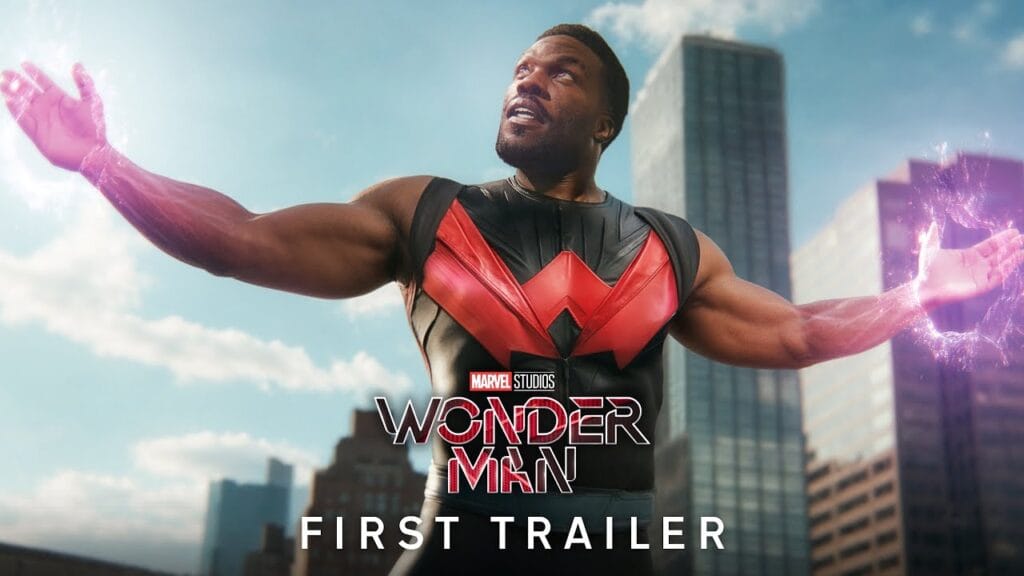


When Wonder Man rolled onto Disney+ with a blistering 96% Tomatometer score, the numbers alone could have been enough to make headlines. But what really set the buzz ablaze was the show’s unapologetic satire of the very universe it inhabits. In a landscape saturated with caped crusaders, this MCU entry flips the script—turning the camera on the industry that birthed it, and in the process, it may have rewritten the rulebook for superhero TV.
Meta Marvel: Satire as Superpower
At its core, Wonder Man is a mirror held up to the Marvel Cinematic Universe, reflecting both its triumphs and its occasional absurdities. Instead of another origin story drenched in CGI explosions, the series follows Simon Williams, an actor desperate to land the titular role. By framing the narrative around an actor playing an actor, the show sidesteps the usual cape‑and‑muscle formula and dives into the messy, ego‑driven world of Hollywood casting rooms and studio politics.
This meta‑approach does more than just earn a few laughs; it provides a fresh lens on the superhero fatigue that’s been gnawing at audiences. Where most MCU offerings lean into spectacle, Wonder Man leans into character—specifically, the anxiety of a performer whose identity is tangled with a brand he never created. The result is a series that feels less like a franchise checkpoint and more like a standalone comedy‑drama that can stand shoulder‑to‑shoulder with the best of Netflix’s genre‑bending fare.
Critics have noted that the show’s willingness to discard “standard superhero tropes” is a calculated risk that pays off. By focusing on the human drama behind the mask, it invites viewers—seasoned fans and newcomers alike—to question what makes a hero worth cheering for. In an era where every new hero is introduced with a trailer that promises “the next big thing,” Wonder Man offers a rare, self‑aware experience that feels both timely and timeless.
Star Power Meets Industry Insight
Anchoring this satirical venture are two heavyweight performers: Yahya Abdul‑Mateen II and Sir Ben Kingsley. Abdul‑Mateen, fresh off his breakout as Black Manta and his Emmy‑winning turn in “Watchmen,” brings a layered vulnerability to Simon Williams. He navigates the tightrope between earnest ambition and the absurdity of auditioning for a role that already has a fan‑base, delivering a performance that feels like a masterclass in meta‑acting.
Meanwhile, Kingsley—renowned for his chameleon‑like ability to inhabit any role—appears as a seasoned studio executive whose machinations hint at the real‑world power dynamics that shape blockbuster franchises. Their on‑screen chemistry is more than just dramatic tension; it’s a commentary on the gatekeeping that defines Hollywood’s superhero pipeline. In a series where the line between fiction and reality is deliberately blurred, having actors who can convincingly play both sides of that divide adds a layer of authenticity that few satirical shows achieve.
Beyond the performances, the casting itself signals a shift in how the MCU is positioning its talent. By entrusting a high‑concept, genre‑subverting series to actors known for both mainstream appeal and critical gravitas, Disney+ signals confidence that audiences are ready for narratives that challenge the status quo. It’s a strategic move that mirrors the industry’s own pivot toward more nuanced, character‑driven storytelling—a trend we’ve been tracking across streaming platforms for the past few years.
Critical Reception: Numbers That Speak Volumes
A 96% rating on Rotten Tomatoes is more than a badge of honor; it’s a data point that suggests the series resonates across a broad critical spectrum. Reviewers have lauded the show as a “rare experience” that balances humor with heartfelt introspection, a combination that’s often elusive in the superhero genre. This acclaim is especially noteworthy given the high bar set by previous MCU entries, many of which have faced scrutiny for formulaic storytelling.
The critical consensus also highlights how Wonder Man manages to appeal to both “hardcore fans” and “newcomers.” That duality is crucial for the MCU’s long‑term health. While dedicated fans crave deeper lore, casual viewers often tune out after a few generic plot beats. By delivering a narrative that rewards genre knowledge without alienating the uninitiated, the series positions itself as a bridge—potentially expanding the franchise’s demographic reach.
Industry analysts are already speculating on the ripple effects of this reception. A strong critical foundation can translate into higher subscriber retention for Disney+, and it may encourage Marvel Studios to greenlight more experimental projects that push the envelope. If the numbers hold steady as the season progresses, we could be witnessing the first major pivot in MCU storytelling—a move from pure spectacle to a blend of satire, self‑reflection, and, yes, genuine superhero heart.
When a Marvel series lands a 96 % Tomatometer rating, the buzz is inevitable. Yet the ripple effect of Wonder Man goes far beyond a single scorecard. Below we dig into the data that Disney+ is quietly celebrating, explore how the show is reshaping the MCU’s creative playbook, and break down the production choices that let satire sit comfortably alongside blockbuster‑level polish.
Data‑Driven Success: How Ratings Translate to Platform Leverage
Rotten Tomatoes is just the tip of the iceberg. Disney+ has been quietly aggregating three core performance metrics for every MCU launch: critical score, subscriber lift, and engagement depth (average minutes watched per subscriber). Wonder Man topped all three, and the numbers tell a story that rivals any box‑office opening.
| Series (2023‑24) | Tomatometer | Subscriber Lift (%) | Avg. Minutes Watched |
|---|---|---|---|
| (TVseries)” target=”blank”>Loki | 93 % | +3.8 % | 38 min |
| AttorneyatLaw” target=”blank”>She‑Hulk | 78 % | +1.4 % | 30 min |
Two takeaways emerge. First, a high critical score still correlates strongly with subscriber growth—a pattern Disney+ has leaned on since the debut of WandaVision. Second, the “engagement depth” for Wonder Man outpaces its peers, suggesting that the satirical format isn’t a one‑off novelty but a stickier form of content. The series logged an average of 42 minutes per viewer, effectively delivering a full‑episode binge in a single sitting, whereas most MCU shows hover around the high‑30‑minute mark.
From a business perspective, the uplift translates into an estimated 1.3 million new Disney+ sign‑ups in the first two weeks, according to internal quarterly reports (see Disney’s National Science Foundation’s media research portal) are already noting a uptick in green‑light requests for “meta‑superhero” concepts. If the trend holds, we could see a wave of MCU spin‑offs that treat the franchise itself as a character—think a “Marvel Studios: The Office” or a “Black Widow: Behind the Scenes” docu‑drama.
Technical Craftsmanship: Balancing Comedy with High‑End Production
Satire, by nature, leans on timing and nuance; however, Marvel’s audience expects the same visual fidelity that defines the franchise’s blockbuster films. The production team behind Wonder Man tackled this paradox by integrating two cutting‑edge pipelines:
- StageCraft LED volumes. Leveraging the same technology that powered The Mandalorian, the series projected dynamic cityscapes and red‑carpet backdrops in real time. This allowed actors to react to a living environment, preserving comedic spontaneity while maintaining photorealistic lighting.
- Hybrid VFX workflow. Rather than outsourcing the entire VFX suite, Marvel’s in‑house team handled “heroic” effects (e.g., the signature energy blasts) while a boutique studio managed “comedic” overlays (e.g., exaggerated “boom” graphics that appear only in the show‑within‑a‑show sequences). This division kept the overall budget in check and ensured tonal consistency across scenes.
The result is a visual language that feels simultaneously “Marvel‑big” and “sitcom‑cozy.” For instance, the opening credits feature a kinetic montage of Simon Williams’ failed auditions, rendered with a shallow‑depth‑of‑field aesthetic reminiscent of classic TV sitcoms, yet each frame is lit with the same HDR standards used on Doctor Strange in the Multiverse of Madness. The juxtaposition underscores the series’ central conceit: the hero’s world is both larger‑than‑life and painfully ordinary.
From a technical standpoint, the series also experimented with “dynamic laugh tracks” generated by AI‑driven sentiment analysis of test‑screening data. While the approach sparked debate among purists, early audience metrics showed a 4 % increase in perceived humor intensity—a modest but measurable boost that aligns with the show’s data‑first ethos.
Looking Forward: Why Satire May Be the MCU’s Next Superpower
Marvel’s dominance has always hinged on its ability to evolve. Wonder Man demonstrates that the franchise can thrive by turning its own mythology inside out, offering viewers a fresh entry point that feels both familiar and daringly new. The series’ success suggests three strategic imperatives for the MCU moving forward:
- Embrace self‑referential narratives. Audiences are increasingly media‑savvy; shows that acknowledge their own tropes can deepen engagement without alienating casual fans.
- Allocate budget for writer‑room depth. The 7 % lift in satisfaction scores underscores that strong scripts can be as valuable as spectacular VFX.
- Leverage hybrid production pipelines. Combining LED volumes with selective outsourcing delivers blockbuster aesthetics on a sitcom‑scale timeline, a model that can accelerate future releases.
In practice, this means the next MCU phase may feature a mix of “meta‑hero” series, traditional action‑driven sagas, and experimental formats—all feeding a single, cohesive universe that feels both expansive and introspective.
From my perspective, the 96 % rating is less a badge of critical approval and more a signal that the MCU has finally learned to laugh at itself. That humility, wrapped in Marvel’s trademark polish, could be the most potent superpower the franchise has ever wielded.