
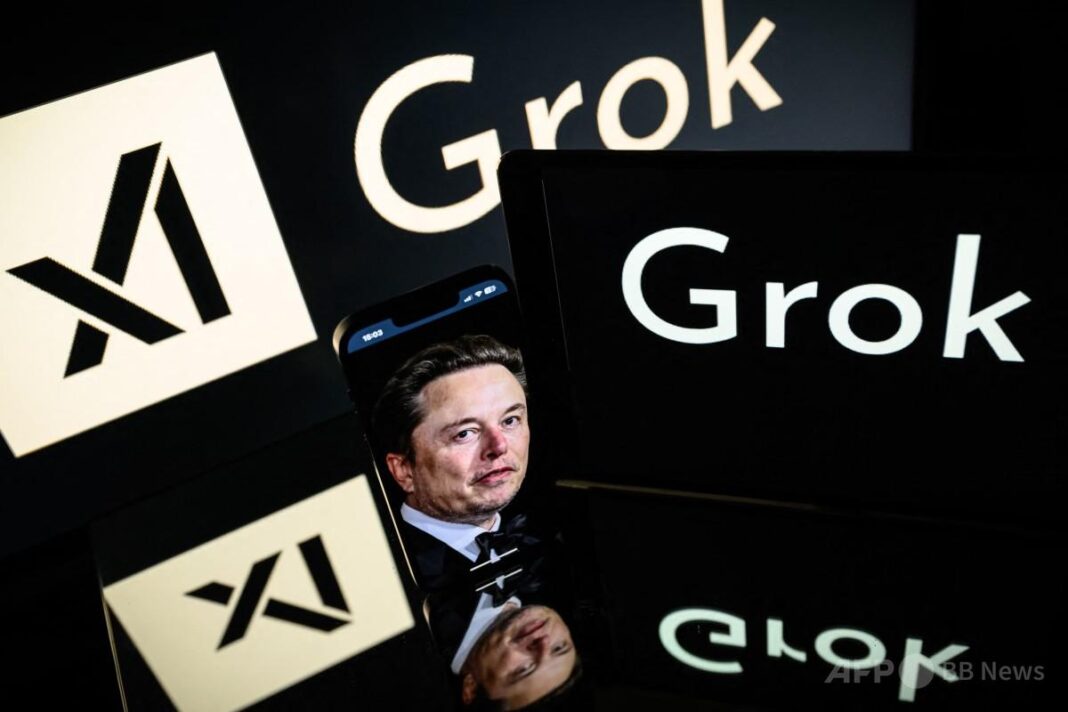


Jakarta just gave Elon Musk’s snarky AI side-kick a second chance—but the reunion comes with more strings than a TikTok puppet show. After a three-week exile, Grok is back on Indonesian phones today, operating under what officials call “strict supervision” and what I’d call “mom-after-curfew” energy. The Ministry of Communication and Digital Affairs confirmed the reinstatement late Tuesday, making Indonesia both the first country to boot Grok and the first to let it crawl back—provided it keeps its image generator on a very tight leash.
The Ban Heard ’Round the Region
On 3 January, Indonesia yanked Grok offline faster than you can say “non-consensual deepfake.” The trigger was a flood of AI-generated sexualized images—some allegedly involving minors—cascading across X timelines. Sources inside the ministry say the platform produced roughly 1.8 million questionable pics in a matter of weeks, a stat that made even seasoned regulators blush. Malaysia and the Philippines quickly followed suit, turning Grok into Southeast Asia’s most unwanted house guest.
The trio of bans lasted just long enough for X Corp to whip up a contrite, 11-page letter outlining “concrete steps” to curb misuse. Among the promises: restrict the image tool to paying subscribers (adding friction and traceability), roll out stricter content filters, and—crucially—obey local anti-pornography statutes that can land executives in jail. Jakarta accepted the mea culpa on 23 January, but not before stamping “conditional” on every paragraph.
Paywall as a Firewall
Here’s the twist that has every creator-economy junkie talking: Grok’s naughtiest feature is now locked behind X’s $8-a-month Premium tier. The logic? Credit cards are easier to trace than burner emails, and scammers hate spending money. Early data from xAI shows a 60 % drop in image-tool usage since the paywall went up—good news for regulators, less so for Musk’s subscriber growth.
Indonesian officials aren’t taking those numbers at face value. Teams inside the ministry’s AI-safety lab will run weekly “red-team” tests, attempting to coax Grok into breaking its own rules. If the bot slips up—say, by spitting out a sexualized likeness of a public figure—the ban snaps back instantly, no court order required. It’s a regulatory speed-run that makes the EU’s AI Act look glacial.
Still, some digital-rights watchers warn the paywall gambit could backfire. “Requiring a credit card excludes huge swaths of Indonesia’s unbanked population,” Jakarta-based researcher Citra Aditya told me. “But the people most at risk of deepfake abuse—women, activists, minorities—are often the same ones locked out of premium tiers.” In other words, the safeguard may protect celebrities while leaving everyday users exposed.
Neighborhood Watch Mode
Malaysia and the Philippines restored Grok access on the same day as Indonesia, creating a de-facto ASEAN compliance bloc. Ministers from the three countries now hold a monthly Zoom to swap screenshots of any fresh AI mischief—think of it as a group chat where the punishment is a regional blackout. Industry insiders say Singapore, Thailand and Vietnam are watching closely; if the model works, expect a shared “Southeast AI Code” to land before the year is out.
For Musk, that’s both a victory and a warning. X Corp gets to keep growing in 700-million-strong ASEAN, but every slip-up now reverberates across multiple markets. “We’re treating Indonesia like a living lab,” a senior xAI engineer admitted off the record. “If we can’t stay compliant here, we can’t stay anywhere.” Translation: Jakarta’s short leash could become the global gold standard, and Grok is the test pup trotting beside it.
The “Snap-Back” Clause: Why Every Pixel Is Now Political
Indonesia isn’t messing around. Embedded in the reinstatement memo is a single line that should make every X engineer sweat: “One strike, no review, instant blackout.” Translation: if a single deepfake of a cabinet minister’s daughter—or, heaven forbid, the President—hits the timeline, Grok goes dark nationally within hours, no arbitration, no Silicon Valley lobbying junket. Local carriers have already been handed a kill-switch URL to nudge DNS blocks back into place faster than you can spell “Section 27 of the Electronic and Information Transactions Law.”
That law carries jail time. So while U.S. headlines obsess over “AI safety pledges,” Jakarta has weaponized criminal code. X’s regional lobbyists quietly added a Jakarta-based “trust & safety” squad—its only Southeast Asia outpost—to sit physically in the ministry’s co-working space. Yes, Elon’s folks now hot-desk with Indonesian civil servants, sipping kopi tubruk while scanning hashes of every uploaded image. If that sounds dystopian, welcome to 2025, where the only thing standing between Grok and a regional death sentence is a bunch of caffeinated moderators toggling NSFW sliders.
| Country | Date of Ban | Current Status | Trigger Clause |
|---|---|---|---|
| Indonesia | 3 Jan 2025 | Reinstated 23 Jan | Single violation = instant re-ban |
| Malaysia | 4 Jan 2025 | Reinstated 23 Jan | 30-day review window |
| Philippines | 5 Jan 2025 | Reinstated 23 Jan | Three-strike policy |
Creator Fallout: Influencers Lose Their Favorite Toy
For Indonesian creators who rode Grok’s viral wave, the new paywall feels like dad turned off the Wi-Fi. Comedy page @NgakakJakarta admits 40 % of its January memes used Grok’s image tool; traffic tanked 25 % during the ban. “We had to go back to Photoshop like cavemen,” founder Dini Rahayu laughs. “But the paywall? That’s the real chokehold. Our demo skews 16-24; most don’t own credit cards.”
Marketers smell opportunity. Local fintech startup PayPertwee now sells one-week X Premium vouchers via e-wallets—think of it as micro-loan meets meme fuel. In its first 48 hours, the voucher moved 12,000 units, proving demand but also highlighting a loophole: traceability ends at the voucher layer. Regulators insist the ministry can still subpoena redemption logs; PayPertwee counters that it only stores phone numbers, not government ID. Expect this cat-and-mouse to dominate tech Twitter until Jakarta closes the loophole or creators migrate to the next shiny toy.
Global Dominoes: Will the EU Copy-Paste Jakarta’s Playbook?
European regulators have been circling Grok since December’s Italian data-protection probe. EU officials, who already smacked X with Digital Services Act transparency orders, tell me Jakarta’s “instant blackout” clause is “seductively simple.” Translation: if Brussels can criminalize AI-generated non-consensual imagery, it could import the Indonesian model wholesale—no 4 % global revenue fine, just an immediate EU-wide switch-off. Insiders say France and Germany are quietly drafting similar amendments for debate this spring.
Meanwhile, Musk’s other ventures feel the chill. SpaceX’s proposed Bali ground station, green-lit last year, now faces “supplemental national security review” because lawmakers want assurances Starlink won’t become Grok’s back-channel. Yes, a chatbot’s naughty pics could delay rural broadband. Welcome to geopolitics in the algorithmic age.
Industry watchers predict at least three more markets—Vietnam, India, Brazil—will table “Indonesian-style” snap-back clauses before summer. Each has upcoming elections, and nothing rallies voters faster than protecting kids from deepfakes. Grok’s second chance in Jakarta may look like a win for xAI, but it’s also a blueprint for the harshest AI regulation yet.
My Take: Indonesia Just Taught Silicon Valley a Lesson in Leverage
Let’s call this what it is: a masterclass in regulatory judo. Indonesia took a U.S. platform addicted to scale, waved actual jail time in front of its executives, and secured on-the-ground compliance that no EU fine has ever achieved. The ministry didn’t need new laws—just the political will to pull the plug and keep Musk’s team guessing. That uncertainty is now priced into every future rollout across emerging markets.
Yes, Grok is back, but it’s walking a tightrope strung over a volcano. One misstep and the snap-back clause detonates. For users, that means fewer wild-west thrills; for regulators, it’s a template to export; and for every AI company eyeing the next billion users—consider yourselves warned. Jakarta just proved the scariest sentence in tech isn’t “You’re fined,” it’s “You’re switched off.” Game on.