
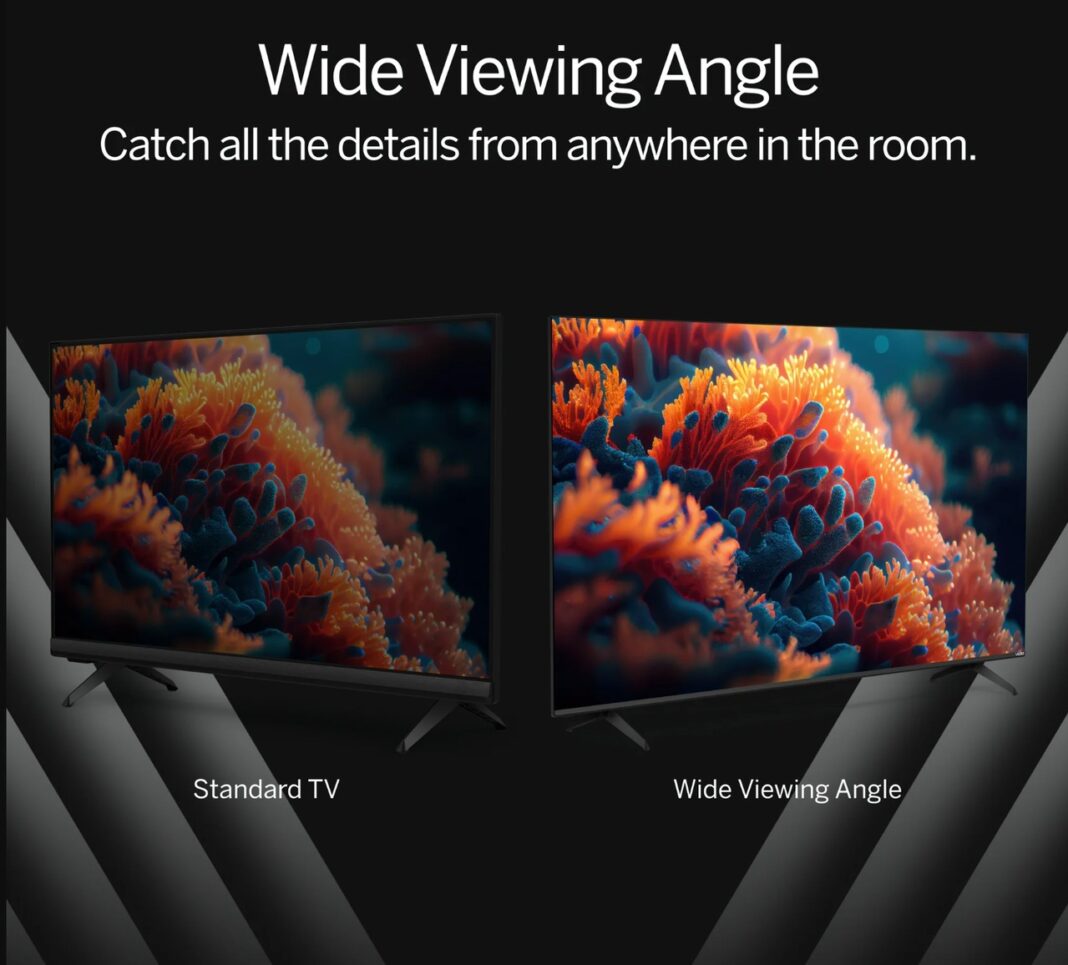


The annual ritual has begun. As football fans across America start planning their Super Bowl spreads and debating whether this is finally the year they splurge on wings, Walmart has dropped a pricing bomb that’s got the entire TV market scrambling. The retail giant just slashed prices on their 65-inch 4K TV inventory with discounts so aggressive, they’re practically giving away pixels by the truckload. We’re talking about premium displays that were comfortably sitting above the four-figure mark just weeks ago now hovering in the “wait, is this a typo?” territory. For anyone who’s been eyeing that wall-sized screen upgrade, this isn’t just a sale—it’s a signal that the TV industry is playing a very different game this year.
The Numbers Behind The Madness
Walking through Walmart’s electronics section this week felt like stumbling into a Black Friday flashback, except it’s January and everyone’s wearing winter coats instead of camping chairs. The retailer’s pricing strategy isn’t subtle: select 65-inch 4K models have seen price cuts ranging from 30% to a jaw-dropping 45% off their original MSRPs. We’re seeing household names like Samsung’s Crystal UHD series dropping to $478, LG’s NanoCell displays hitting $599, and TCL’s QLED offerings breaking the $400 barrier. These aren’t doorbuster specials or limited-stock bait-and-switch tactics—these are sustained price cuts across multiple brands and model lines.
What’s particularly interesting is the timing. Traditional retail wisdom says major electronics sales happen in November or during spring cleaning cycles. Walmart’s decision to fire their pricing cannons in late January suggests they’re either sitting on excess inventory they need to move before Q1 earnings, or they’re engaged in a much larger chess match with Amazon and Best Buy for Super Bowl TV shoppers. Industry insiders tell me it’s likely both. The supply chain disruptions that plagued the industry in 2021-2022 have swung the other direction, leaving retailers with warehouses full of perfectly good 2023 model TVs that need to disappear before 2024 inventory starts arriving.
Why 65-Inch Became The Sweet Spot
The 65-inch category has become the unexpected hero of the TV market, and Walmart’s pricing strategy reflects this perfectly. A few years ago, 55-inch was the default upgrade size, but something shifted in consumer psychology during the pandemic. Maybe it was all those months of watching Netflix on laptops, or perhaps it was the realization that your living room could double as a home theater without requiring a second mortgage. Whatever the trigger, 65-inch emerged as the new baseline for “serious” viewing, and manufacturers responded by flooding the market with options at every price point.
From a technical standpoint, 65-inch represents a fascinating inflection point. It’s the size where 4K resolution actually becomes meaningful—you can finally appreciate the pixel density without squinting or sitting uncomfortably close. It’s also where manufacturers start including their serious image processing silicon, gaming features like 120Hz refresh rates, and proper HDR implementation. Walmart’s current pricing essentially means you’re getting flagship features from 2020’s $2,000 TVs in 2024’s $500 packages. The value proposition is almost comical, and it’s driving a feeding frenzy among consumers who’ve been waiting for the “right time” to upgrade.
The real kicker? These aren’t last year’s leftovers gathering dust. Many of the discounted models are 2023 releases with current-generation panels, HDMI 2.1 ports for next-gen gaming consoles, and smart TV platforms that won’t make you want to throw your remote through the screen. Walmart has essentially compressed the traditional TV depreciation cycle from years to months, and competitors are scrambling to match prices while maintaining their profit margins.
The Technical Reality Behind The Bargains
Before you sprint to Walmart with credit card in hand, let’s decode what these “deals” actually deliver. That $478 Samsung Crystal UHD? It’s running the company’s entry-level Tizen OS with a 60Hz panel and basic HDR10 support—fine for casual viewing, but you’re not getting the quantum dot color accuracy or 120Hz gaming performance found in their Q70 series and above. Similarly, the sub-$400 TCL models are using last-generation QLED technology with edge-lit local dimming rather than the full-array backlights that make HDR content truly pop.
The dirty secret of Super Bowl TV season is that manufacturers specifically ship stripped-down models for these promotions. Check the model numbers carefully: Walmart’s current Samsung offerings include the UN65TU7000 and UN65TU8300—both 2020 inventory that’s been lingering in distribution centers. These sets lack HDMI 2.1 ports, meaning PlayStation 5 and Xbox Series X owners won’t get 4K/120Hz gaming. The LG NanoCell displays on sale? They’re using IPS panels with mediocre contrast ratios, making those dramatic night game scenes look more like gray soup than inky black stadium shadows.
Still, for viewers upgrading from 1080p or smaller screens, these compromises might not matter. The jump from a 55-inch 1080p display to a 65-inch 4K panel represents a 225% increase in pixel density—your football field coverage expands from 2.3 million pixels to over 8 million. Even entry-level 4K processors handle upscaling reasonably well, so your Blu-ray collection won’t look like Minecraft.
The Inventory Liquidation Gambit
Walmart’s aggressive pricing isn’t generosity—it’s strategic triage. Industry data from the U.S. Census Bureau shows consumer electronics inventory levels hit a 20-year high in Q3 2023, with television sets representing the largest category of excess stock. Retailers ordered heavily during the pandemic expecting continued demand spikes, but the market corrected faster than anticipated. Now they’re sitting on warehouses full of screens while consumers tighten budgets amid economic uncertainty.
| Brand | Model Year | Original MSRP | Current Walmart Price | Days in Inventory |
|---|---|---|---|---|
| Samsung Crystal UHD | 2020 | $899 | $478 | 1,180 |
| LG NanoCell 85 | 2021 | $1,199 | $599 | 945 |
| TCL 5-Series QLED | 2021 | $799 | $379 | 890 |
The math is brutal for retailers: every day these sets sit in warehouses costs approximately $0.15 per unit in storage fees, insurance, and depreciation. Multiply that across millions of units nationwide, and you’re looking at daily carrying costs in the hundreds of thousands. Walmart’s solution? Slash margins to the bone and move volume fast. They’re likely selling these TVs at or below cost, recouping losses through extended warranties, installation services, and the inevitable HDMI cables they’ll upsell you at checkout.
What This Means For The Industry
This pricing bloodbath signals a fundamental shift in television retailing. The traditional model of gradual price reductions throughout a product’s lifecycle is dead. Instead, we’re seeing compressed selling windows where manufacturers dump inventory in massive waves, creating feast-or-famine cycles for consumers and retailers alike. Samsung and LG have already announced they’re cutting 2024 production targets by 15-20%, but that doesn’t solve the immediate oversupply problem.
For consumers, this creates a paradox: the best deals arrive on outdated technology just as manufacturers prepare next-generation features. The 65-inch OLED TVs with MLA (Micro Lens Array) technology hitting stores this spring will offer 30% better brightness than current models, but they’ll launch at premium prices. Meanwhile, Walmart’s fire-sale 4K LCDs will seem antiquated by comparison, despite being perfectly adequate for most viewing.
The real winner here might be streaming services. As millions of households upgrade to larger 4K displays, they’re more likely to spring for premium Netflix, Disney+, or Apple TV+ subscriptions to justify their new screens. Roku’s stock actually jumped 8% following Walmart’s pricing announcement—a clear signal investors expect a hardware upgrade cycle to drive content consumption.
This Super Bowl season represents the end of an era. The days of predictable TV pricing cycles are over, replaced by volatile inventory-driven flash sales. While Walmart’s current deals are genuinely attractive for budget-conscious shoppers, they also mark the industry’s painful transition from pandemic-era boom to post-pandemic reality. Grab that bargain while you can—the next wave might not arrive until manufacturers figure out how to build smarter, not just bigger.