


Remember when buying a car meant watching it depreciate the moment you drove off the lot? Tesla’s been quietly rewriting that narrative, transforming our four-wheeled companions into something that feels suspiciously like the smartphone in your pocket—except this one’s getting better with age instead of slower. I’ve been covering this space long enough to spot a genuine paradigm shift, and folks, we’re living through one right now. Your Tesla isn’t just aging; it’s evolving, like some automotive Pokemon that levels up while you sleep.
The OTA Revolution: Your Car’s Glow-Up Era
Here’s where Tesla pulled off the ultimate magic trick—convincing an entire industry that cars should improve after you buy them. While traditional automakers were busy figuring out how to squeeze another MPG out of their engines, Tesla was dropping software updates that literally made cars faster. I’m not talking about some marketing mumbo-jumbo; I’m talking about actual measurable performance gains delivered through Wi-Fi like it’s no big deal.
The numbers are almost absurd when you step back. Range boosts, acceleration increases, new entertainment features—Tesla’s pushed dozens of major updates without owners ever darkening a service center’s door. One day you’re driving to work, the next your car can parallel park itself while you belt out Caraoke renditions of “Bohemian Rhapsody.” It’s like waking up to find your 2015 Corolla suddenly gained the ability to make espresso.
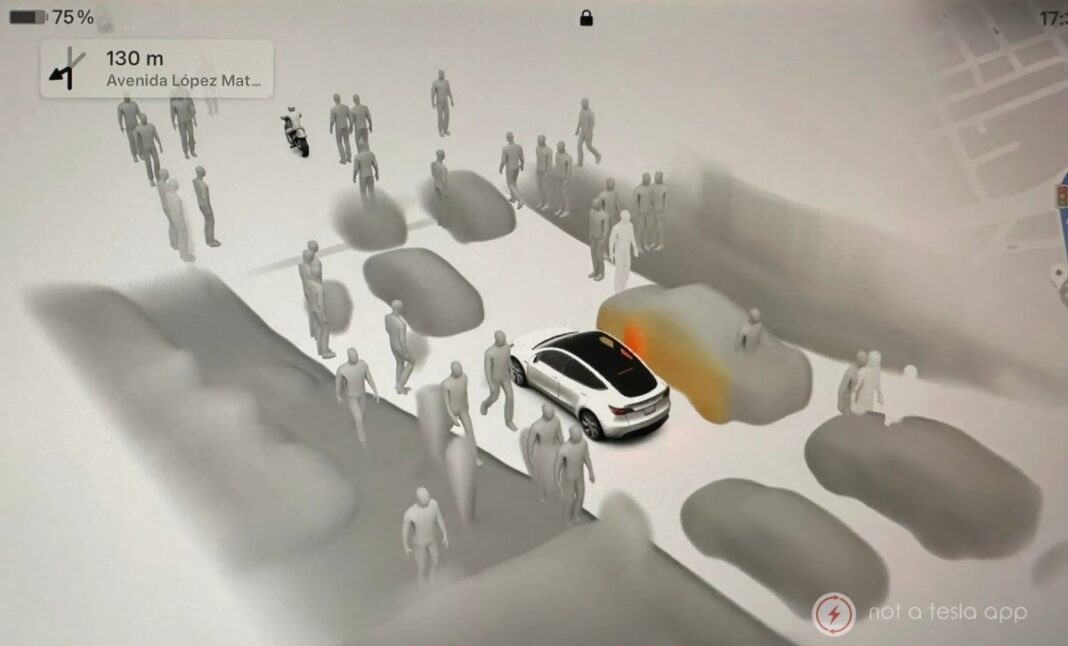
But here’s the kicker that keeps me up at night as someone who covers this beat: Full Self-Driving went from basic lane-keeping to navigating city streets, reading traffic lights, and handling those white-knuckle unprotected left turns. All through software. Your 2018 Model 3 that you bought when “Baby Shark” was still a thing? It’s learning new tricks that would make a Stanford CS grad jealous.
Parental Controls: When Your Tesla Becomes the World’s Coolest Babysitter
Just when I thought Tesla couldn’t get more clever, they dropped the 2024.26 update and essentially turned every Tesla into a digital driver’s ed instructor. Parental Controls aren’t just some afterthought—they’re brilliantly engineered peace of mind for anyone who’s handed keys to a teenager and immediately aged five years.
The genius is in the details. Lock teens into “Chill” acceleration mode (because nobody needs their kid discovering Ludicrous Mode in a school zone), cap the top speed, and force safety warnings to stay on. But here’s the masterstroke: the system sends parents a push notification if junior decides to take a midnight joyride. Try sneaking out when your car is literally tattling on you in real-time.
What really impressed me—and I’ve seen my fair share of tech gimmicks—is the PIN protection. Junior can’t just toggle these settings off like they’re disabling location sharing. It requires a four-digit code that only parents know, making these restrictions actually stick. Finally, a tech solution that understands teenagers are basically walking, talking hackers with TikTok accounts.
The Security Blanket You Didn’t Know You Needed
Let’s talk about the unsung hero of Tesla’s transformation: Sentry Mode. What started as a dashcam feature has morphed into a 24-hour digital watchdog that makes your car feel like it enrolled in witness protection. The latest update quietly expanded recording capacity from a measly hour to a full day’s worth of footage on a 1TB drive—because apparently, Tesla decided your car should have a better memory than your college roommate.
Here’s where it gets deliciously clever: your Tesla isn’t just recording; it’s thinking. Sentry Mode distinguishes between someone innocently walking past and that guy who’s way too interested in your wheels. It’ll flash the headlights, play Bach’s Toccata and Fugue (because nothing says “back off” like classical music), and send you a notification faster than you can say “Is that another door ding?”
But the real genius? This isn’t just about catching parking-lot perpetrators. Tesla’s building a distributed surveillance network where every car becomes a neighborhood watch volunteer. Your Model Y parked on the street isn’t just protecting itself—it’s creating a digital force field around your entire block. Try getting that kind of community service from a Honda Civic.
The Robotaxi Reality Check: Your Car’s Side Hustle
While we’ve been obsessing over whether our cars can fart on command (they can), Tesla’s been quietly preparing them for their ultimate glow-up: becoming autonomous money-making machines. The robotaxi rides happening in Austin right now aren’t just tech demos—they’re your car’s LinkedIn profile being updated.
Think about it: every software update isn’t just making your Tesla smarter; it’s preparing it for a career change. That Full Self-Driving capability you’re nervously testing on your morning commute? It’s vocational training. Your 2018 Model 3 that you bought for $40K could potentially earn that back working the graveyard shift while you sleep, like some automotive OnlyFans creator but for transportation.
The economics here are absolutely bonkers. Traditional cars sit idle 95% of the time, depreciating faster than last year’s iPhone. Tesla’s flipping that script entirely. Your car could theoretically pay for itself by moonlighting as a taxi, all while you collect passive income like some Silicon Valley landlord. It’s Uber without the awkward small talk or questionable air fresheners.
The Subscription Economy Hits the Highway
Here’s where Tesla’s smartphone comparison becomes almost too real: they’ve turned features into subscriptions faster than Netflix cancels your favorite show. Want your Model S to accelerate like a SpaceX rocket? That’s $2,000 for Acceleration Boost. Fancy making your car dance to Trans-Siberian Orchestra? $1,000 for Enhanced Autopilot. It’s like DLC for your daily driver.
But before you grab your pitchfork, consider this genius move: Tesla’s essentially created a choose-your-own-adventure car ownership experience. Buy the base model, then add capabilities as your needs evolve. It’s the automotive equivalent of upgrading from Spotify Free to Premium, except instead of skipping ads, you’re shaving seconds off your 0-60 time.
This model fundamentally changes our relationship with cars. Your Tesla isn’t a static purchase—it’s a platform that evolves with your lifestyle. College student budget? Stick with the basics. Landed that promotion? Unlock some speed. Starting a family? Add those parental controls. Your car grows up with you, like a really expensive Tamagotchi that occasionally gets firmware updates.
The Bottom Line: Welcome to the Never-Normal
We’re witnessing something unprecedented here—not just in automotive history, but in consumer technology. Tesla has successfully convinced us that cars should improve after purchase, security should be proactive, and your vehicle should potentially earn its own keep. It’s turned transportation into a living, breathing ecosystem that exists beyond the simple act of driving.
The implications stretch far beyond Tesla fan forums. Every automaker is scrambling to replicate this model, but they’re playing catch-up in a race where Tesla wrote the rules. Your next car—regardless of brand—will likely borrow from this playbook. The question isn’t whether traditional automakers can match Tesla’s tech; it’s whether they can match our newly raised expectations.
As someone who’s watched this industry evolve from crank windows to cars that literally drive themselves, I can tell you we’re not in Kansas anymore. Your Tesla isn’t just a car—it’s a statement that you refuse to accept planned obsolescence as inevitable. It’s choosing to live in the future, even if that future occasionally requires you to explain to your parents why their car needs Wi-Fi.
The revolution isn’t coming—it’s already here, updating overnight while you dream of electric sheep. Welcome to the era where your car ages like wine instead of milk, where yesterday’s purchase becomes tomorrow’s upgrade, and where the only constant is that notification ping announcing your four-wheeled smartphone just learned another trick.