
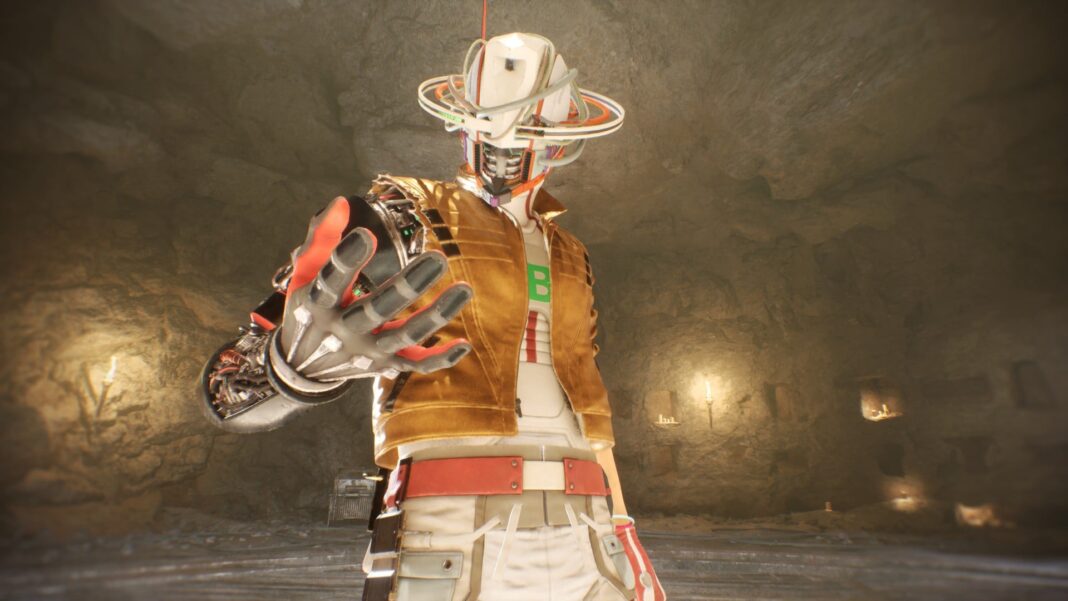


When Grasshopper Manufacture’s neon-soaked revenge fantasy Romeo Is A Dead Man drops on Xbox Series X|S this 11 February, it won’t just be bringing bullets and blood-spattered Shakespeare references—it’ll be hauling the loudest critical food fight I’ve seen in years. One outlet is calling it “the grind-house opera we didn’t know we needed,” while another shrugs it off as “style desperately searching for substance.” That’s a 40-point Metacritic swing, folks, and in an era where most triple-adjacent titles land within a five-point huddle, this scatter-shot reception feels almost retro—like the wild-west days when a Suda51 game could still polarize a room before the servers even warmed up.
A pedigree that promises chaos
Let’s be honest: Grasshopper Manufacture could release a screensaver and we’d line up for the soundtrack. The studio behind No More Heroes—the franchise that let us mow lawns to save up for lightsaber upgrades—and the deliciously unhinged Lollipop Chainsaw has never met a premise it couldn’t weaponize. Their brand is excess with a wink, and Romeo Is A Dead Man looked, on paper, like the logical next bite: star-crossed lovers re-imagined as a Tarantino fever dream, complete with comic-panel executions and a J-pop score that hits like a sugar-rush hangover.
But pedigree only buys you the first headline. Once critics got their hands on final code last week, the conversation shifted from “Can you believe this concept?” to “Wait… does it actually play?” The answer, maddeningly, depends on which Slack channel you’re lurking in. Some reviewers praise the buttery dodge-parry rhythm that rewards aggression; others insist the controls feel like “driving a shopping cart with three wobbly wheels and a vendetta.” That’s a dizzying spread for a game that, at its core, is about chaining headshots while quoting Elizabethan drama. If the mechanics can’t decide whether they’re lo-fi stylish or just plain janky, the whole tragedy risks becoming… well, tragic.
Style versus substance: the eternal Suda51 tug-of-war
Here’s where the divide gets spicy. Camp A argues that Romeo Is A Dead Man is Grasshopper’s most cohesive statement since the original No More Heroes: a sleek, 12-hour revenge tale that front-loads neon-soaked set pieces and never overstays its welcome. They point to the freeze-frame kill-cams that let you graffiti enemies with bullet-hole hearts before the body even drops—pure, uncut Suda swagger. One breathless critic compared the pacing to “flipping through a hyper-violent flipbook written by a lovesick teenager who just discovered Baz Luhrmann,” and meant it as high praise.
Camp B, however, rolls its eyes so hard you can practically hear the optic nerves snapping. Their take? The game is a glitter bomb without the bomb: all visual panache, hollow emotional core. They cite repetitive mission structures—yet another escort quest through a nightclub that looks like a Lisa Frank fever dream—and boss fights that crib mechanics from 2008, right down to the three-phase health bar that magically refills “because drama.” One reviewer, who admittedly has a Kill Bill tattoo, sighed that “for every clever Shakespeare nod, there are two cringe pickup lines that feel copy-pasted from a high-school goth’s LiveJournal.” Ouch. Still, even the detractors admit the soundtrack slaps; they just wish it were scoring a tighter game.
And that’s the fascinating tension: nobody can decide whether Romeo Is A Dead Man is brilliantly self-aware or trapped in its own perfume cloud of nostalgia. The divide isn’t console-war tribalism; it’s a genuine philosophical split about what we want from mid-budget Japanese action games in 2025. Do we crave mechanical perfection, or are we starved for experiences that value vibe over polish? Grasshopper, bless its anarchic heart, seems happy to let us argue in the comments while it counts down to launch day.
The style-versus-substance stalemate nobody asked for
Here’s the gag: half the critics can’t decide if Romeo Is A Dead Man is a brilliant deconstruction of macho revenge fantasies or just a $70 Snapchat filter with delusions of grandeur. The divide lands squarely on how much mileage you get out of its “lovingly broken” aesthetic. One camp argues the stuttering frame-rate and purposeful input lag are part of the joke—an interactive theatre of the absurd that makes every missed parry feel like tragic destiny. The other camp? They’re reaching for the options menu like it’s a life raft, begging for a “stable 60 fps” toggle that simply doesn’t exist.
Grasshopper has always weaponized jank, but this time the studio baked the imperfection into the narrative itself. The title screen literally glitches the first time you boot it up, fake-corrupting your save file before revealing the real menu. Cute, right? Except reviewers playing on pre-release hardware thought their code was broken, rebooted three times, and docked points for “technical incompetence.” That’s the tightrope: when your bug becomes your feature, you’d better pray the audience is in on the bit.
| Critical angle | What they loved | What broke them |
|---|---|---|
| Cinematic hipsters | “Every camera zoom feels like a comic panel vomiting confetti.” | “Can’t turn off film-grain; my retinas are filing OSHA complaints.” |
| Combat purists | “Dodge windows so tight they feel like a heart murmur—finally, stakes!” | “Input queueing is a coin flip; I parried my own combo.” |
| Narrative nerds | “Juliet’s monologue over the corpse pile is pure Shakespearean Vine.” | “The script quotes Hamlet then makes a ‘your mom’ joke in the same breath.” |