


Romance Scams Cost NYers $42M – Don’t Be Next
====================================================
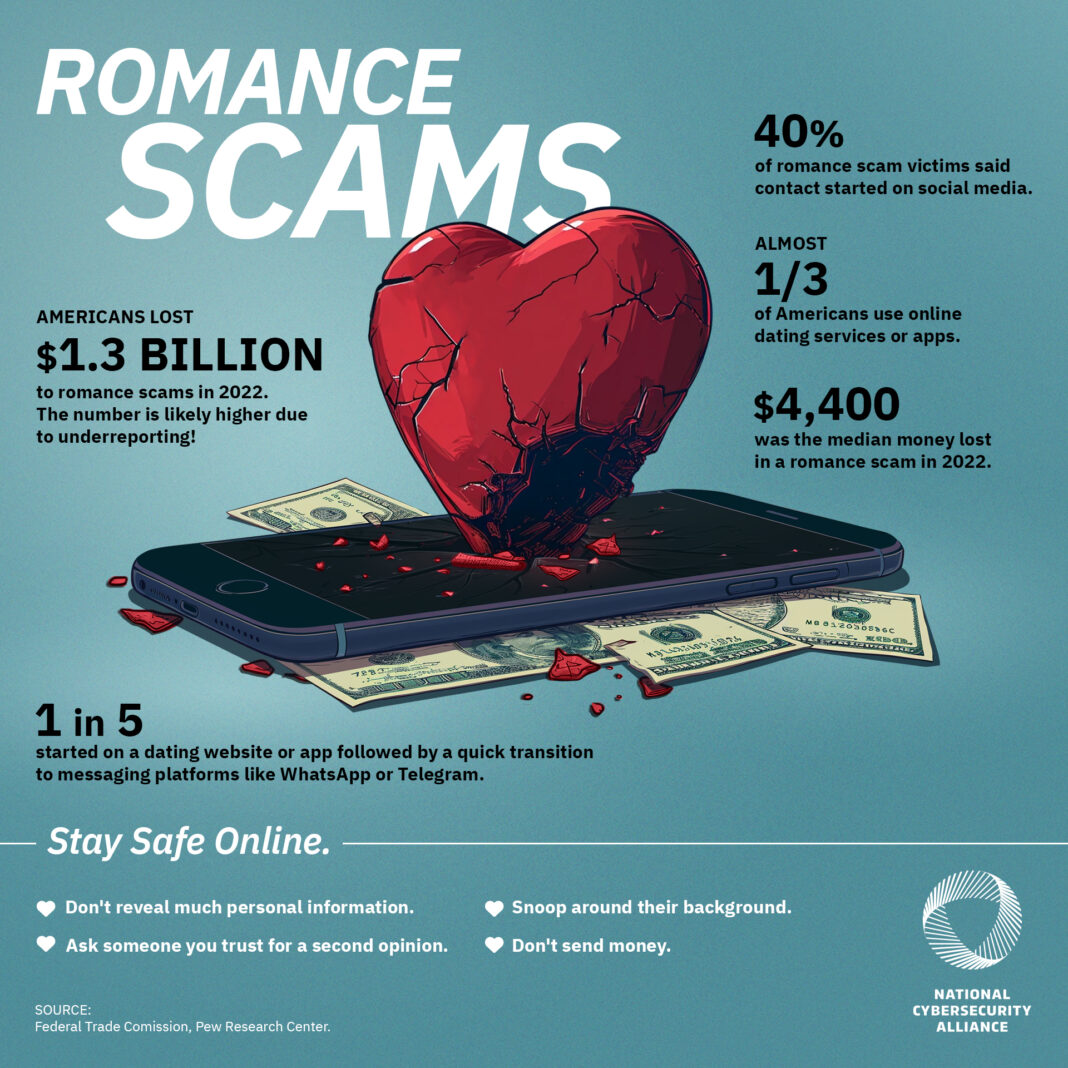
Romance scams have become a significant threat, financially and emotionally draining for many. In New York alone, $42 million was lost by New Yorkers to these scams in just the first three quarters of 2025. The New York Department of State’s Division of Consumer Protection is warning New Yorkers about the dangers lurking in the online dating world.
The Rising Threat of Romance Scams
These scams have evolved, becoming increasingly sophisticated. Scammers create fake profiles on dating sites and social media, using stolen photos and fabricated stories to lure victims. They build a relationship, gaining the trust of their target, before asking for money, usually under the guise of an emergency or a visit. The emotional manipulation is a key component, making it difficult for victims to realize they’re being scammed.
The statistics are a clear indicator of the growing problem. This figure represents a substantial increase from previous years, highlighting the need for greater awareness and caution. The Division of Consumer Protection is urging New Yorkers to be vigilant, especially with Valentine’s Day approaching – a time when people are more likely to be looking for love.
Identifying the Scammers’ Tactics
Scammers typically start by creating a fake online persona, often using attractive photos and a compelling backstory. They’ll engage in conversation, making their target feel special and understood. Once they’ve built a level of trust, they’ll make their move, usually requesting money for a fake emergency, a trip to visit, or to help with a financial problem. These requests are often made via wire transfer, gift cards, or cryptocurrency, making it difficult to trace and recover the funds.
The warning signs are there, but it’s not always easy to spot a scammer. They might avoid video calls, make excuses for not meeting in person, or have a suspiciously perfect profile. The New York Department of State’s Division of Consumer Protection advises New Yorkers to be cautious if someone is pushing for a relationship to move quickly, especially if they’re asking for money.
Protecting Yourself from Romance Scams
To protect yourself, be cautious when engaging with people online, especially if you’re using dating apps or sites. Research and verify the identity of anyone you’re communicating with. Be wary of anyone who is pushing for a relationship to move quickly or who is asking for money. Report any suspicious activity to the authorities.
The New York Department of State’s Division of Consumer Protection offers several tips for avoiding romance scams:
Be cautious of profiles with little information
Be wary of generic messages
Never send money to someone you haven’t met in person
Understanding the Scammers’ Playbook
Scammers employ a range of techniques to build trust and manipulate their victims. Here are some common tactics to watch out for:
Love bombing: Scammers may shower their victims with excessive attention and affection, making them feel special and valued.
Emotional manipulation: Scammers may use guilt, sympathy, or threats to control their victims and extract money or personal information.
Fake emergencies: Scammers may create fake emergencies, such as a medical crisis or a travel emergency, to solicit money from their victims.
Additional Tips for Safety
Be cautious of online profiles: Be wary of profiles with generic or stolen photos, and those that seem too good (or bad) to be true.
Verify identities: Use reverse image search tools or social media to verify the person’s identity.
- Don’t send money: Never send money to someone you haven’t met in person, and be cautious of requests for money or financial assistance.
The Role of Technology in Combating Romance Scams
Technology can play a significant role in combating romance scams. Some dating platforms and social media sites are using tools to detect and flag suspicious activity. Many platforms provide reporting tools that allow users to report suspicious profiles or activity.
According to the Federal Trade Commission (FTC), romance scams account for a significant portion of online scams. In 2020, the FTC reported that romance scams resulted in losses of over $304 million.
| Year | Reported Losses |
|---|---|
| 2020 | $304 million |
| 2025 (Q1-Q3) | $42 million (New York only) |
Conclusion
By understanding the scammers’ tactics, taking steps to protect ourselves, and leveraging technology to combat scams, we can reduce the risk of falling prey to these emotionally and financially devastating scams. Remember, if a relationship seems too good to be true, it probably is. Take the time to verify identities, and never send money to someone you haven’t met in person.
For more information on romance scams and how to protect yourself, visit the New York Department of State’s Division of Consumer Protection website or the Federal Trade Commission (FTC) website.