
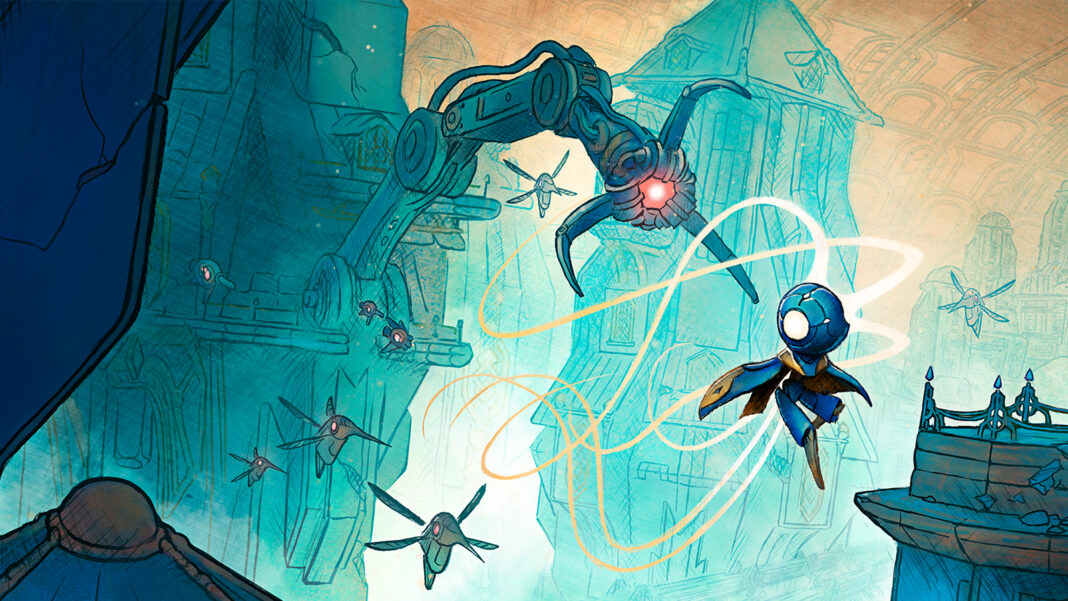


The world of gaming has always been a realm where creativity knows no bounds, and the latest release, MIO, is no exception. This thought-provoking game has been making waves in the gaming community, not just for its captivating storyline but also for its innovative design elements. As we dive into the depths of MIO, it becomes clear that this game is more than just a form of entertainment; it’s a reflection of the evolving landscape of game design. In this two-part series, we’ll explore what MIO reveals about the current state of game design and what it might mean for the future of the industry.
The Evolution of Narrative-Driven Games
MIO’s narrative is a prime example of how games are increasingly focusing on storytelling as a core element of the gaming experience. The game’s use of branching narratives allows players to influence the story through their choices, creating a highly immersive and personalized experience. This approach is not new, but MIO’s execution is noteworthy for its complexity and the emotional depth it brings to the story. By giving players agency, the game creates a sense of investment in the narrative, making the experience more engaging and relatable.
The success of MIO in this regard highlights a broader trend in game design towards more narrative-driven experiences. Games are no longer just about action or puzzle-solving; they’re becoming vessels for complex stories that explore the human condition. This shift is partly driven by the growing diversity of the gaming audience and the increasing demand for games that offer more than just entertainment. MIO’s focus on character development and emotional storytelling is a response to this demand, showcasing the potential for games to be a powerful medium for storytelling.
The impact of this trend can be seen in the way games are being developed, with more emphasis on character development, plot twists, and player choice. This doesn’t mean that traditional game mechanics are being abandoned, but rather that they’re being integrated into a more holistic experience that combines action, exploration, and narrative in innovative ways.
Innovative Mechanics and Player Engagement
One of the standout features of MIO is its innovative mechanics, which not only enhance gameplay but also contribute to the narrative’s emotional impact. The game’s use of environmental storytelling and subtle clues to convey backstory and character motivations is a prime example of how mechanics can be used to deepen the player’s understanding of the game’s world. This approach encourages players to engage more deeply with the environment, fostering a sense of curiosity and exploration.
MIO’s mechanics also demonstrate a keen understanding of player psychology, using rewards and challenges to motivate players and keep them engaged. The game’s pacing is carefully calibrated to balance action, exploration, and rest, creating a rhythm that keeps players invested in the experience. This attention to detail in game design is crucial for creating an immersive experience that resonates with players on an emotional level.
The game’s designers have clearly drawn on a range of influences, from traditional gaming mechanics to more experimental approaches, to create a unique experience that is both challenging and rewarding. By pushing the boundaries of what’s possible in game design, MIO is helping to drive innovation in the industry, inspiring other developers to explore new ideas and approaches.
The Future of Game Design
As we look at what MIO reveals about game design, it’s clear that the industry is on the cusp of a significant shift. The emphasis on narrative, player agency, and innovative mechanics is not just a passing trend but a sign of where the industry is headed. Games are becoming more sophisticated, more nuanced, and more attuned to the needs and desires of a diverse audience.
The influence of MIO can already be seen in the work of other developers, who are experimenting with new narrative structures and game mechanics. As the industry continues to evolve, it’s likely that we’ll see even more innovative games that challenge our expectations and push the boundaries of what’s possible.
With the stage set for a new era in game design, the question on everyone’s mind is: what’s next? Will we see a continued focus on narrative-driven games, or will other trends emerge? As we continue our exploration of MIO and its implications for the gaming industry, we’ll delve deeper into these questions and examine the potential paths forward for game design.
The Role of Player Psychology in Game Design
MIO’s design also sheds light on the critical role of player psychology in game development. The game’s use of emotional manipulation and player anticipation creates a sense of tension and release, keeping players engaged and invested in the story. This approach is rooted in a deep understanding of human psychology and the emotional responses that drive player behavior. By leveraging these psychological insights, MIO’s designers have crafted an experience that is both captivating and emotionally resonant.
The attention to player psychology is evident in the game’s user interface and gameplay mechanics. Every element, from the sound design to the visual cues, is carefully crafted to elicit a specific response from the player. This level of attention to detail demonstrates the growing importance of psychology in game design, as developers seek to create experiences that are not just fun but also emotionally engaging.
| Psychological Aspect | Description | Example in MIO |
|---|---|---|
| Emotional Manipulation | Using emotional triggers to influence player behavior | MIO’s use of music and sound effects to create tension |
| Player Anticipation | Creating a sense of expectation to engage the player | MIO’s use of visual cues to signal upcoming challenges |
| Player Agency | Giving players control to increase investment in the game | MIO’s branching narratives and player choice |
The Impact of MIO on the Future of Game Design
MIO’s innovative design elements and narrative-driven approach have significant implications for the future of game design. As the gaming industry continues to evolve, we can expect to see more games that prioritize storytelling, player psychology, and emotional engagement. The success of MIO will likely inspire other developers to experiment with similar approaches, pushing the boundaries of what games can achieve as a medium.
One potential area of growth is in the use of artificial intelligence and machine learning to create more dynamic and responsive game worlds. MIO’s use of branching narratives is just a starting point, and future games may incorporate more advanced AI-driven systems to create even more immersive and personalized experiences. Additionally, the emphasis on player psychology and emotional manipulation may lead to new approaches to game design that prioritize player well-being and emotional safety.
The Intersection of Game Design and Other Art Forms
MIO’s focus on narrative and emotional engagement also highlights the intersection of game design with other art forms. The game’s use of storytelling, character development, and emotional manipulation is reminiscent of literature, theater, and film. This blurring of boundaries between game design and other art forms is a natural progression, as games continue to mature as a medium.
The connections between game design and other art forms are already evident in the use of cutscenes, voice acting, and music in games. MIO’s designers have taken this a step further, incorporating elements of interactive storytelling and player choice to create a truly immersive experience. As games continue to evolve, we can expect to see even more collaborations between game designers, writers, actors, and musicians, leading to new and innovative forms of storytelling.
For more information on the intersection of game design and other art forms, visit the International Game Developers Association (IGDA) website. You can also explore the Game Developers Conference (GDC) for the latest insights and trends in game development.
In my perspective, MIO represents a significant step forward in the evolution of game design. Its innovative approach to narrative, player psychology, and emotional engagement sets a new standard for the industry, and its influence will likely be felt for years to come. As games continue to mature as a medium, we can expect to see even more exciting developments that push the boundaries of what games can achieve. To learn more about the future of game design, check out the Wikipedia article on Game Design. Additionally, you can visit the official website of the Game Developers Conference for more information on the latest trends and insights in game development.