
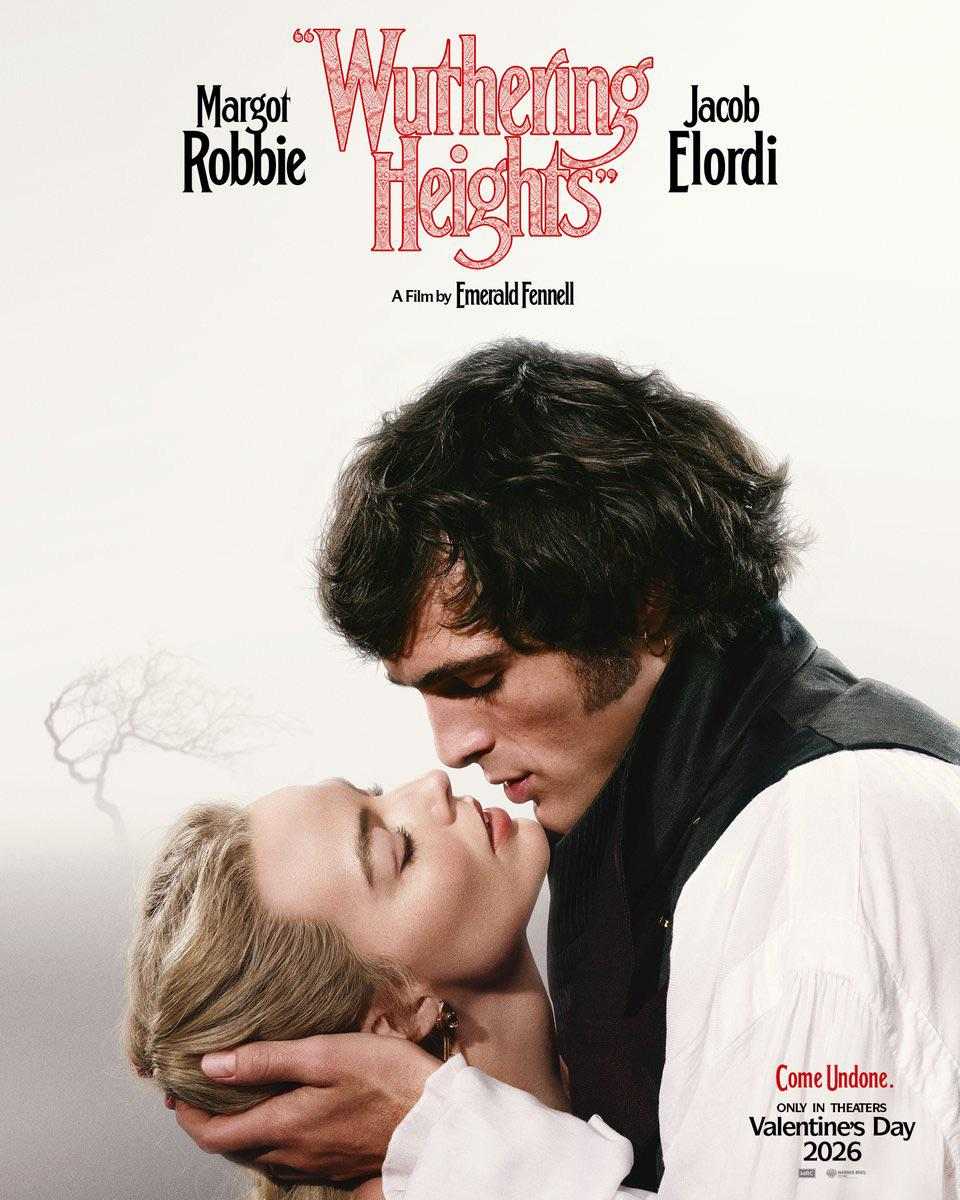


Emily Brontë’s 1847 novel has been adapted dozens of times, yet the newest Wuthering Heights is doing something no previous version has managed: pulling almost $35 million in three days on 3,682 North-American screens and racing toward a $40 million four-day Presidents’ Day total.
A Strong Start at the Box Office
Industry tracking had the picture topping out at $35 million for the holiday frame, so the current pace puts the film roughly 15 % ahead of expectations. Overseas returns are even sharper—$42 million from 76 markets—pushing the worldwide launch to $82 million on an $80 million production budget (before marketing). Those numbers already cover the cost of the picture and position it as the strongest opening ever for a Brontë adaptation.
Warner Bros. targeted younger movie-goers with trailers that leaned into romance and revenge rather than corsets and bonnets, and the cast did the rest. Florence Pugh’s track record after Little Women and Midsommar brought credibility, while Harry Styles’ first major film role mobilised a built-in fan base that bought tickets in advance and posted sold-out screenings on social media.
A Smart Decision to Pass on Netflix’s Offer
Netflix offered $150 million for worldwide rights last autumn. The producers walked away from the guaranteed cash and accepted a lower, back-loaded Warner Bros. deal that kept the movie in cinemas. The bet looks prescient: theatrical grosses are pure revenue for the studio once the exhibitors take their cut, and the film’s cultural footprint—TikTok trends, Spotify playlist surges, fashion magazines recreating Catherine’s wardrobe—would have been far smaller had the title dropped directly into a streaming menu.
The move also underlines a broader point: audiences still treat literary period pieces as communal events when the material is re-imagined for contemporary sensibilities. Choosing theatres over the sofa preserved that experience and, so far, added tens of millions in box-office receipts that a streaming debut would never have revealed.
What’s Next for Wuthering Heights?
Word-of-mouth exit scores sit at 90 % “definite recommend,” so a domestic final north of $120 million is realistic. Pugh and Styles are booked for press tours in Asia next month, a market where romantic dramas often leg out. If international holds, the film could finish near $300 million worldwide—territory usually reserved for franchise titles, not 19th-century fiction.
Warner Bros. already has awards consultants screening the picture for Academy voters, hoping Pugh’s performance and Emerald Fennell’s direction can repeat the winter run that Little Women enjoyed three years ago. Whether or not Oscar nominations follow, the project has revived studio interest in classic novels: at least three similar adaptations were rushed into development within days of last weekend’s grosses.
The Perfect Storm of Timing and Star Power
Opening on Valentine’s Day was no accident. Tracking showed women over 25 as the most reliable demo for period dramas, but advance ticket buyers were 63 % under 30, split evenly between those drawn to Styles and those who discovered Brontë on BookTok. That collision of fandoms created sell-outs in suburban multiplexes and art-house cinemas alike, a rarity for any drama not based on a comic book.
Fennell’s cut runs two hours and eight minutes, yet the pacing feels modern: handheld camerawork on the moors, needle-drops of contemporary artists, and dialogue that keeps the novel’s ferocity without antique flourishes. The result is a film that plays to viewers who have never read the book and to purists who can quote it line by line.
Redefining the Period Drama for Modern Audiences
Rather than polite drawing-room tension, the new adaptation leans into obsession and class rage. Cinematographer Ari Wegner shot on 35 mm and 70 mm, giving the Yorkshire landscape a tactile grit that streaming compression would flatten. The contrast between mud-soaked heaths and candlelit interiors has become a social-media selling point, with fans posting side-by-side stills of the film and the 1939 Laurence Olivier version to highlight how far the genre has shifted.
Marketing materials emphasised that shift: teaser posters featured Pugh and Styles locked in a rain-soaked embrace, the tagline “Love is a violent thing” stamped across their bodies. The image became one of Instagram’s most-shared movie one-sheets since The Hunger Games, according to analytics firm RelishMix.
The Streaming vs. Theatrical Debate Takes a Dramatic Turn
By turning down Netflix’s nine-figure check, the filmmakers forfeited a quick profit but gained something streamers cannot manufacture: cultural momentum. Each ticket sold generates data visible to rivals, something hidden when a film debuts at home. Studios that watched Wuthering Heights over-index in red states, in Europe, and in South Korea now see commercial life in prestige literary properties they had parked in development limbo.
Theatrical bookers are just as energised. After two years of superhero saturation, the prospect of a mid-budget drama packing auditoriums gives them leverage when negotiating terms with upcoming tent-poles. If the final gross crosses $250 million, expect similar gambles on Wuthering Heights-style counter-programming every Valentine’s season.
The takeaway: a 175-year-old novel can still out-gross many would-be franchises when the story is retold with urgency and when audiences are given a reason to leave the house. Wuthering Heights didn’t just revive period drama; it reminded studios that the oldest stories can deliver the newest headlines—provided they are treated like big-screen events rather than algorithmic filler.