
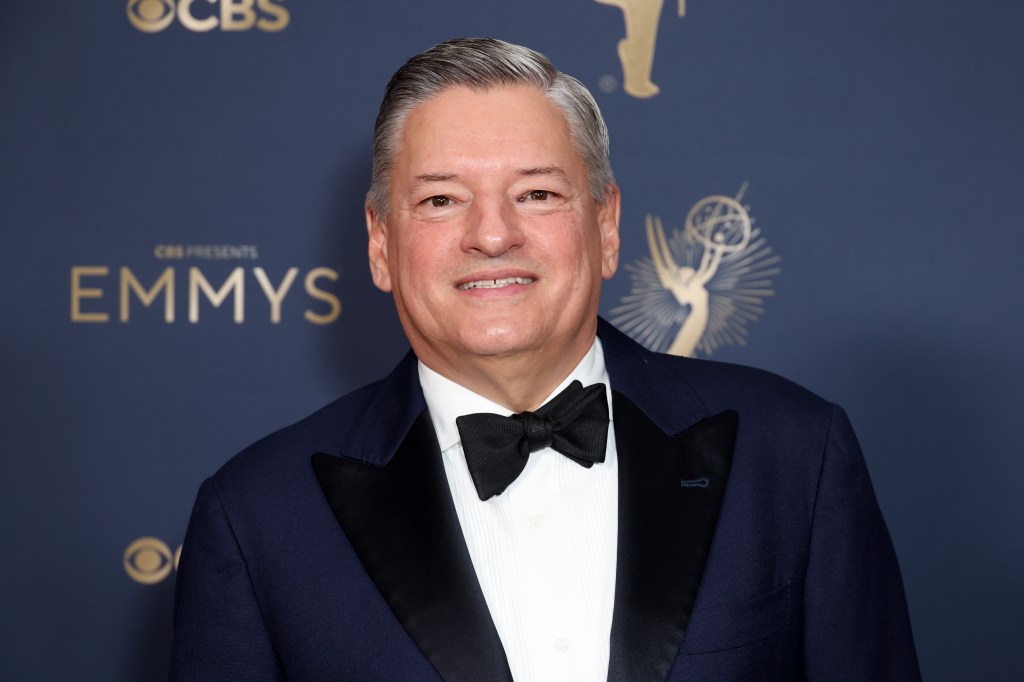


Ted Sarandos, co-CEO of Netflix, has publicly accused Paramount and Skydance Media of sabotaging the proposed $83 billion sale of Warner Bros. Discovery (WBD) assets to Netflix. The deal, announced in December, would have seen Netflix acquire WBD’s prized HBO Max streaming service, significantly expanding its content offerings.
The Netflix-WBD Deal: Background
The proposed acquisition of WBD’s assets by Netflix would have given the streaming giant a significant boost in terms of content and subscriber base. The deal, valued at $83 billion, included HBO Max, a highly sought-after addition to Netflix’s portfolio. However, WBD has been seeking a last-minute waiver from Netflix to explore alternative deals with Paramount Skydance.
According to sources, Netflix granted WBD a 7-day waiver to begin new negotiations with Paramount Skydance. This development has sparked a public feud between the two parties, with Ted Sarandos accusing Paramount Skydance of “flooding the zone with misinformation” in an attempt to destabilize the Netflix-WBD deal.
The key shareholder vote for the Netflix-WBD deal is scheduled for March 20, and the outcome remains uncertain. If the deal falls through, it could have significant implications for Netflix’s market share and competitiveness.
Allegations of Sabotage: Ted Sarandos Speaks Out
Ted Sarandos’ accusations against Paramount Skydance have brought the issue to the forefront. According to Sarandos, Paramount Skydance has been spreading “misinformation” to undermine the Netflix-WBD deal, potentially to further its own interests. This controversy has sparked a heated debate among industry insiders.
The implications of Sarandos’ accusations are significant, potentially signaling a new era of aggressive competition in the streaming industry. As the key shareholder vote approaches, the stakes are high, and the outcome remains far from certain.
The Stakes: What’s at Play
The Netflix-WBD deal is not just about the acquisition of assets; it’s about the future of the streaming industry. With the rise of new players and increasing competition, the stakes are high. If the deal falls through, Netflix may need to reassess its strategy, potentially leading to a shift in its business model or a renewed focus on content creation.
The fate of HBO Max, a highly popular streaming service, also hangs in the balance. If the deal is scuppered, it’s unclear what the future holds for the service, potentially leading to a change in ownership or a rebranding.
The Implications of a Failed Deal
If the Netflix-WBD deal falls through, it could have far-reaching consequences for the streaming industry. A failed deal would mean that Netflix would not be able to acquire HBO Max, a highly sought-after streaming service with a vast library of content. This could potentially give competitors like Disney+ and Amazon Prime Video an opportunity to gain ground in the market.
| Streaming Service | Subscriber Base (in millions) | Content Library (in thousands) |
|---|---|---|
| Netflix | 230 | 15 |
| HBO Max | 76 | 12 |
| Disney+ | 150 | 10 |
| Amazon Prime Video | 200 | 20 |
A failed deal would mean that Netflix would have to rely on its existing content library, which, although vast, may not be enough to keep up with the growing demand for streaming services.
Regulatory Scrutiny: A Potential Hurdle
The Netflix-WBD deal is subject to regulatory scrutiny, with the Federal Trade Commission (FTC) reviewing the proposed acquisition. The FTC will examine the deal to ensure that it does not violate antitrust laws and that it is in the best interest of consumers.
The FTC’s review process involves a thorough examination of the proposed acquisition. The agency may request additional information from the parties involved and may also hold public hearings to gather more information.
The Future of Streaming: A Changing Landscape
The outcome of the Netflix-WBD deal will have significant implications for the future of streaming. A successful deal would cement Netflix’s position as a leading streaming service, while a failed deal could create opportunities for competitors to gain ground. The streaming industry is rapidly evolving, with new players entering the market and existing players expanding their offerings.
The key shareholder vote for the Netflix-WBD deal is scheduled for March 20, and the outcome remains uncertain. As the industry watches with bated breath, one thing is clear: the future of streaming hangs in the balance.