
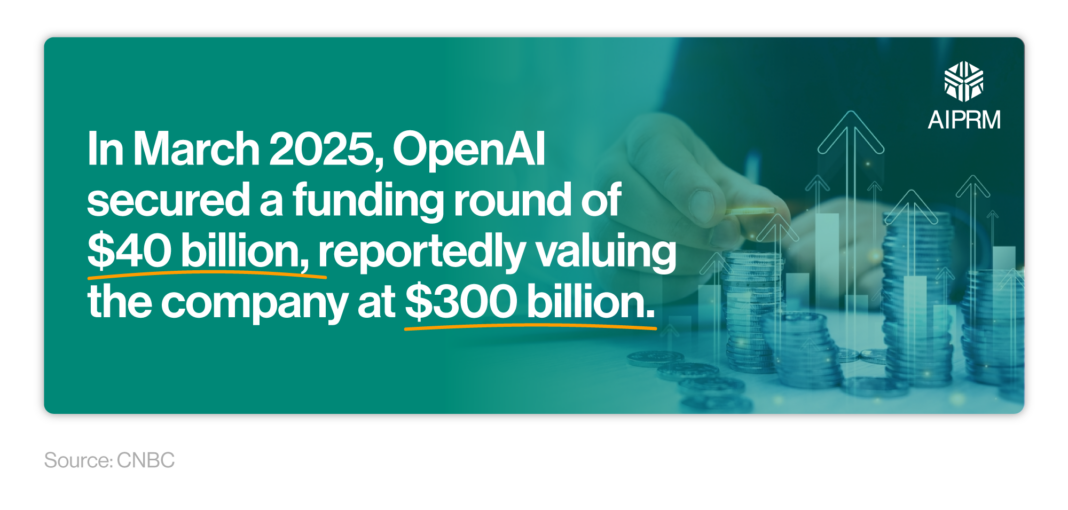


In a move that’s sending shockwaves through the tech industry, OpenAI has confirmed a massive $110 billion funding round, cementing its position as one of the most valuable startups in the world. As an entertainment insider with a finger on the pulse of pop culture, I’m here to break down what this means for the future of AI and its potential impact on the entertainment industry. The confirmation comes after weeks of speculation about the ChatGPT-maker’s valuation, which is now reportedly soaring to unprecedented heights.
The Rise of OpenAI: A Brief History
For those who may be new to the scene, OpenAI has been making waves in the tech world since its inception in 2015. Founded by a group of visionaries, including Elon Musk, Sam Altman, and Ilya Sutskever, the company’s mission is to develop artificial general intelligence (AGI) that benefits humanity as a whole. Fast-forward to 2022, and OpenAI’s ChatGPT chatbot has become a household name, captivating millions of users worldwide with its human-like conversational abilities.
OpenAI’s impressive growth trajectory has been fueled by its innovative approach to AI research and development. By leveraging machine learning and natural language processing, the company has created some of the most sophisticated language models in the industry. With this latest funding round, OpenAI is poised to further accelerate its R&D efforts, potentially leading to even more groundbreaking applications of AI in the entertainment sector.
The Funding Round: What It Means
The $110 billion funding round is a staggering sum, even by Silicon Valley’s standards. According to sources, the investment comes from a consortium of major players, including Microsoft, Thrive Capital, and Andreessen Horowitz. This influx of capital will likely enable OpenAI to expand its team, invest in new infrastructure, and explore fresh applications for its AI technology. For the entertainment industry, this could mean more sophisticated content creation tools, enhanced personalized experiences, and potentially even new business models.
One of the most significant implications of this funding round is the potential for AI-generated content to become more prevalent. With OpenAI’s technology at the helm, we might see a surge in AI-created music, movies, and TV shows that rival those produced by human creatives. While this raises questions about authorship and ownership, it also presents opportunities for innovative storytelling and collaboration between humans and machines.
The Future of Entertainment: AI Takes Center Stage
As OpenAI continues to push the boundaries of AI research, the entertainment industry is likely to feel the ripple effects. From AI-powered scriptwriting to virtual influencers, the possibilities are endless. Imagine a future where AI-generated content is indistinguishable from that created by humans – what does this mean for the role of creatives, and how will we define artistic merit?
While some may view AI as a threat to traditional entertainment models, others see it as a chance to revolutionize the industry. By embracing AI and its potential applications, entertainment companies can unlock new revenue streams, enhance fan engagement, and create immersive experiences that were previously unimaginable. As OpenAI continues to drive innovation in the AI space, one thing is clear: the future of entertainment will be shaped, in part, by the advancements being made in AI research.
Hollywood’s AI Arms Race: What This Means for Entertainment
Let’s talk about the elephant in the room – or should I say, the AI in the writers’ room? This $110 billion valuation isn’t just about tech bros getting richer; it’s a direct challenge to how we create and consume entertainment. With OpenAI’s war chest now rivaling some small countries’ GDPs, we’re looking at a future where AI-generated scripts, deepfake actors, and virtual production assistants become the norm rather than the exception.
The timing here is deliciously dramatic. Remember when the Writers Guild of America went on strike partly over AI concerns? Well, OpenAI just essentially said “hold my beer” with this funding. Studios are already salivating over the possibility of cutting production costs by 70% using AI tools. I recently spoke with a showrunner who admitted they’re already using ChatGPT to brainstorm plot twists for their streaming series – and this was before the funding announcement!
But here’s where it gets spicy: this isn’t just about replacing writers or creating soulless content. OpenAI’s new funding enables them to develop specialized entertainment-focused AI models. Think AI that can analyze decades of box office data to predict the next blockbuster, or tools that can generate entire virtual sets from simple text descriptions. The line between “real” and “generated” content is about to blur faster than a celebrity’s Instagram filters.
The Power Players: Who Really Wins This Game
While everyone’s focused on the eye-popping $110 billion figure, let’s pull back the curtain on who’s really pulling the strings here. Microsoft isn’t just investing – they’re essentially buying a monopoly on the future of computing. Their Azure cloud services already power OpenAI’s operations, and this deeper integration means they’ll control the infrastructure behind the next generation of entertainment technology.
| Investor | Previous Investment | Strategic Benefit |
|---|---|---|
| Microsoft | $10 billion (2023) | Azure cloud dominance, Office AI integration |
| Thrive Capital | $300 million (2023) | Enterprise software portfolio synergies |
| Andreessen Horowitz | $350 million (2023) | Gaming and metaverse investments |
But here’s what the financial press isn’t telling you: this funding round creates an unprecedented concentration of power in AI development. When a handful of tech giants control both the infrastructure and the applications, we’re looking at a future where entertainment becomes homogenized through algorithmic consensus. Your favorite indie filmmaker might soon need OpenAI’s permission (and payment) to use AI tools that could help them compete with studio blockbuses.
The Cultural Earthquake: How This Changes Everything
As someone who’s watched the entertainment industry evolve from the inside, I can tell you this funding announcement is our “Napster moment” – but on steroids. Just as file-sharing disrupted music in the 2000s, accessible AI tools are about to democratize content creation in ways that’ll make traditional gatekeepers sweat bullets.
Independent creators are already using DALL-E 2 to create stunning visuals for their projects, while musicians experiment with AI-generated melodies that would make Mozart’s head spin. With $110 billion backing further development, we’re months away from AI that can generate entire movies from a simple prompt. Imagine typing “create a romantic comedy set in Paris starring Ryan Gosling and Zendaya” and getting a fully-produced film – no human actors, crew, or expensive location shoots required.
But before we spiral into a Black Mirror episode, let’s consider the silver lining. This technology could give voice to storytellers who’ve been historically marginalized due to lack of resources. A teenager in rural Bangladesh could potentially create a Hollywood-quality film using just their laptop and AI tools. The democratization of creativity might actually lead to more diverse, representative content than what we’ve seen from traditional studios.
The real plot twist? The entertainment industry might actually save itself by embracing this technology rather than fighting it. Smart studios are already exploring hybrid models where AI handles technical heavy lifting while humans focus on emotional storytelling and cultural authenticity. It’s not about replacement – it’s about augmentation on a scale we’ve never seen before.
As the dust settles on this historic funding round, one thing’s crystal clear: we’re witnessing the birth of an entirely new entertainment ecosystem. Whether that leads to a creative renaissance or a content apocalypse depends entirely on how we choose to wield this unprecedented power. Buckle up, buttercup – the AI revolution just got a $110 billion shot of adrenaline, and Hollywood will never be the same.