
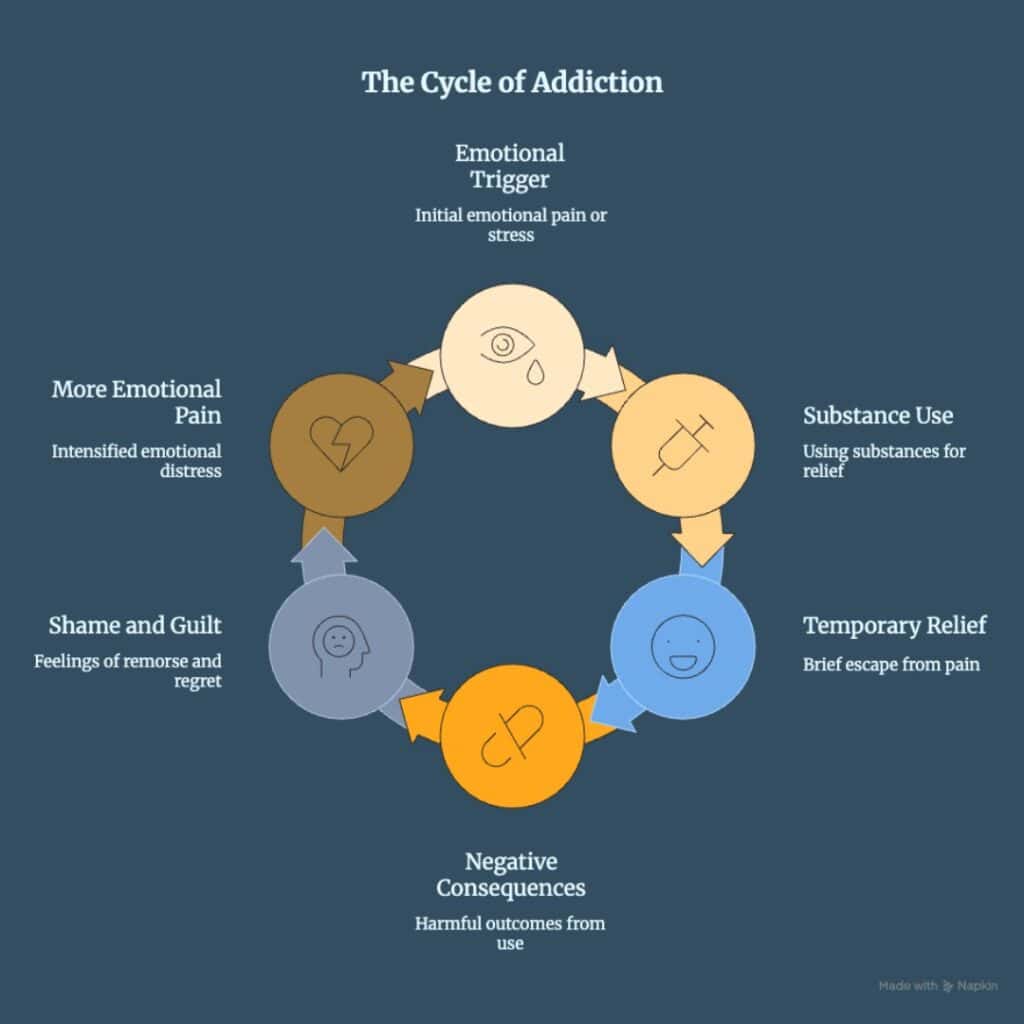


As we scroll mindlessly through our social media feeds, a fleeting sense of connection to the people and world around us is easy to feel. But research suggests that our increasing reliance on smartphones is creating a vicious cycle of isolation, one that threatens to erode the very fabric of our relationships and our sense of self. This two-part series will explore the ways in which smartphone addiction is reshaping our lives, and what it means for our collective well-being.
The Rise of Smartphone Addiction
The statistics are stark: the average person now spends over 4 hours a day on their smartphone, with some studies suggesting that this figure can be as high as 6 hours for certain demographics. This constant stream of notifications, endless online content, and compulsion to stay connected 24/7 is a concern. Dr. Jean Twenge, a renowned psychologist, notes, “We’re seeing a generation of young people who are more comfortable interacting with their phones than with other humans.” Nomophobia – fear of being without a mobile phone – is a telling symptom of a broader societal issue.
The consequences of this addiction are far-reaching. A study published in Computers in Human Behavior found that excessive smartphone use was linked to increased feelings of loneliness, anxiety, and depression. As we substitute digital connections for real-life interactions, we’re risking the very things that make us human: empathy, intimacy, and a sense of belonging.
The Isolation Paradox
It’s counterintuitive to suggest that smartphones – devices designed to connect us – are driving us apart. However, our online interactions often lack the depth and nuance of in-person connections. We’re more likely to present a curated version of ourselves online, hiding behind a mask of perfectionism and superficiality. This social isolation can have serious consequences, from increased stress and anxiety to a weakened immune system.
The irony is that we’re using technology to fill a void that it itself has created. We’re substituting shallow online connections for meaningful relationships, perpetuating a cycle of isolation. As we become more entrenched in our digital lives, we’re losing touch with the world around us – and with ourselves.
The Impact on Mental Health
The link between smartphone addiction and mental health is complex, but the evidence is mounting. A study by the Royal Society for Public Health found that social media use was associated with increased feelings of anxiety, depression, and loneliness. The constant stream of information can lead to continuous partial attention – a condition where we’re constantly distracted, never fully present.
This issue goes far beyond the individual. It’s about the kind of society we want to create – one that values human connection, empathy, and understanding. In the next part of this series, we’ll examine the ways in which we can break the cycle of isolation, and reclaim our lives from the grip of smartphone addiction.
The Blurred Lines Between Connection and Isolation
As we navigate the complexities of smartphone addiction, it’s essential to examine how our digital interactions are redefining the notion of connection. On one hand, social media platforms and messaging apps have made it easier to stay in touch with friends, family, and like-minded individuals across geographical distances. However, this increased connectivity can also lead to a false sense of intimacy, where online relationships substitute for in-person interactions. Research suggests that people who spend more time on social media are more likely to experience feelings of loneliness and disconnection, despite being “connected” to others online.
The Economic and Social Costs of Smartphone Addiction
The consequences of smartphone addiction extend beyond the individual, with significant economic and social costs. A report estimated that mental health disorders, including those related to smartphone addiction, cost the global economy over $1 trillion annually. Furthermore, the erosion of face-to-face interactions can have long-term effects on community cohesion and social capital.
| Country | Average Daily Smartphone Use (hours) | Prevalence of Mental Health Disorders (%) |
|---|---|---|
| United States | 4.2 | 18.5 |
| South Korea | 4.5 | 22.1 |
| Japan | 4.8 | 20.3 |
Breaking the Cycle: Strategies for Change
To mitigate the effects of smartphone addiction, individuals, communities, and policymakers must work together to promote healthier digital habits. Strategies such as implementing screen-free zones, encouraging digital detoxes, and promoting face-to-face interactions can help to break the cycle of isolation. Additionally, tech companies can play a crucial role by designing products and services that promote responsible smartphone use.
By acknowledging the potential pitfalls of smartphone addiction and working together to promote healthier digital habits, we can reclaim our connections with others and with ourselves. Ultimately, it’s up to us to redefine the terms of our digital engagement and ensure that our smartphones serve us, rather than the other way around.