
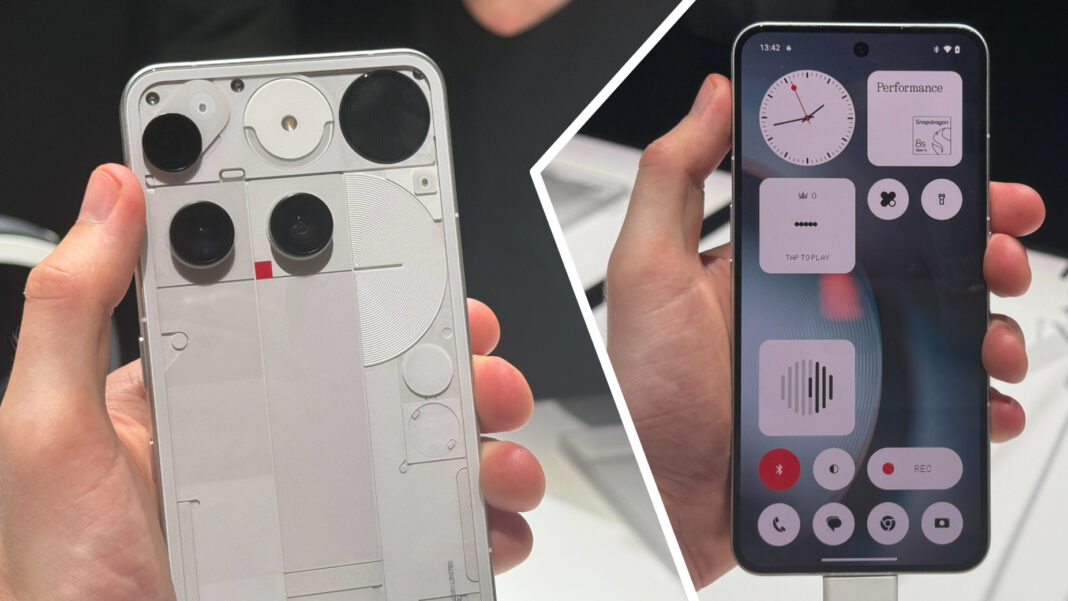


The smartphone market has been abuzz with excitement as Nothing, a relatively new player in the industry, continues to make waves with its innovative approach to mobile technology. Founded by Carl Pei, co-founder of OnePlus, Nothing has been gaining traction with its unique design language and focus on user experience. The company’s latest offering, the Nothing Phone (2), has been making headlines with its recent launch, and we’re here to dive into what makes this device so special.
Design and Display: A Bold New Direction
The Nothing Phone (2) boasts a sleek and minimalist design that sets it apart from other smartphones on the market. The device features a 6.7-inch OLED display with a 120Hz refresh rate, making for a seamless and immersive viewing experience. The phone’s Glyph interface, a system of LEDs on the back of the device, allows for customizable notifications and a unique visual experience. This design element has been a major selling point for the device, and it’s clear that Nothing is committed to pushing the boundaries of smartphone design.
According to TechRadar, the Nothing Phone (2) features a Qualcomm Snapdragon 8+ Gen 1 processor, which provides a significant boost in performance and power efficiency. This, combined with up to 12GB of RAM and 512GB of internal storage, makes for a device that can handle even the most demanding tasks with ease. Whether you’re a gamer, a multitasker, or simply someone who wants a reliable device, the Nothing Phone (2) has got you covered.
Camera Capabilities: A Major Upgrade
One of the most significant upgrades in the Nothing Phone (2) is its camera system. The device features a 50MP primary sensor and a 32MP front-facing camera, which promises to deliver high-quality images and videos. According to CNET, the camera app also features a range of advanced modes, including Night mode and Portrait mode, making it easy to capture stunning photos in any environment. With the Nothing Phone (2), users can expect a significant improvement in camera performance compared to its predecessor.
The Nothing Phone (2) also features wireless charging and IP54 water and dust resistance, making it a durable and convenient device for everyday use. With a 4700mAh battery and 45W fast charging, users can expect a full day of use without needing to recharge. This, combined with the device’s sleek design and advanced camera capabilities, makes the Nothing Phone (2) a compelling option for anyone in the market for a new smartphone.
Software and Performance: A Smooth Experience
The Nothing Phone (2) runs on Nothing OS 2.0, a custom version of Android 13 that’s designed to provide a seamless and intuitive user experience. According to The Verge, Nothing OS 2.0 features a range of innovative features, including customizable widgets and advanced gesture controls. This, combined with the device’s powerful processor and ample storage, makes for a device that’s both fast and responsive.
As Android Authority notes, the Nothing Phone (2) also features regular software updates, ensuring that users stay up-to-date with the latest security patches and features. With a focus on user experience and community engagement, Nothing is committed to building a loyal following of users who appreciate its innovative approach to smartphone technology. As we continue to explore the features and capabilities of the Nothing Phone (2), it’s clear that this device is a serious contender in the smartphone market.
We’ll continue to examine the Nothing Phone (2) and its features in the second part of this article, delving deeper into its capabilities and what sets it apart from other devices on the market. For now, it’s clear that Nothing is on to something special with its latest offering.
Software Experience: The “Nothing OS” Philosophy
Beyond the hardware, Nothing’s biggest gamble is its software strategy. The company ships the phone with Nothing OS 2.0, a thin layer built on top of Android 13. Unlike many OEMs that add heavy skins, Nothing OS keeps the en” target=”blank”>EU’s GDPR framework. The OS also includes a built‑in tracker blocker that disables known telemetry endpoints unless the user explicitly enables them.