
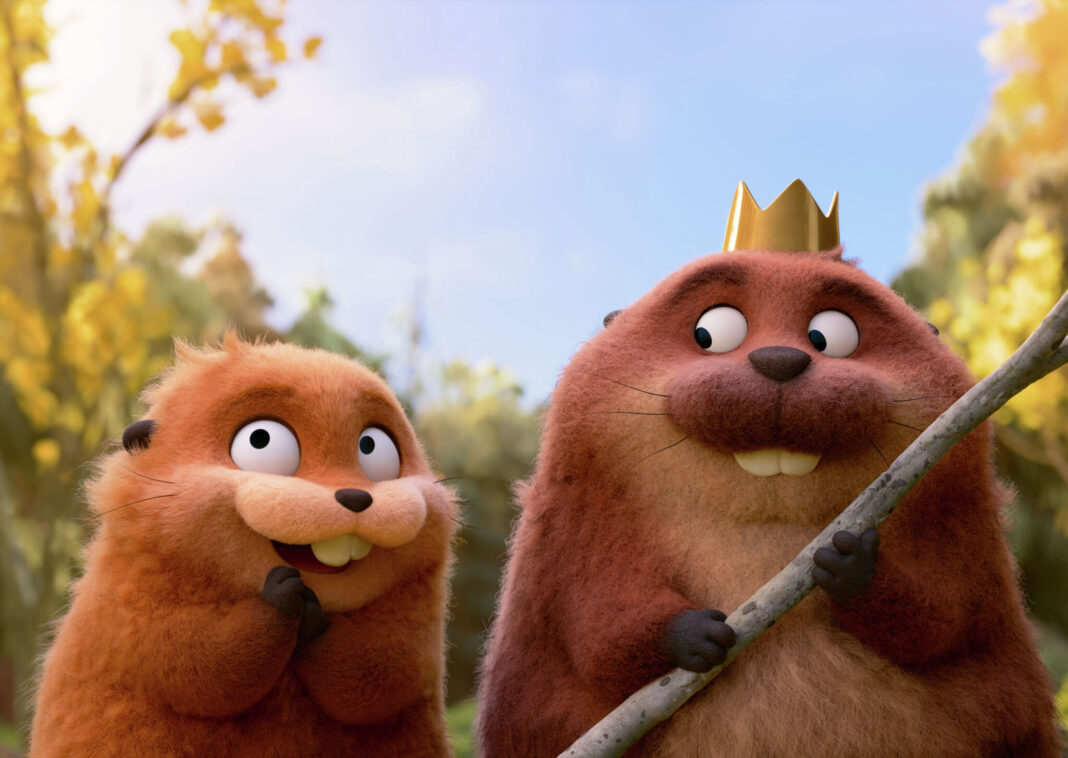


California’s sea otters, once hunted to near extinction, are about to become animated stars in an upcoming Pixar film. While Elemental‘s sequel generates buzz, another project featuring these marine mammals highlights their remarkable recovery from fewer than 50 individuals to over 3,000 today.
The Rise and Fall of California’s Sea Otters
The maritime fur trade devastated California’s sea otter population during the 18th and 19th centuries. By 1938, only 50 animals remained along the Big Sur coast. The establishment of the Monterey Bay National Marine Wildlife Refuge that year marked the beginning of their protection. The Endangered Species Act listing in 1977 accelerated recovery efforts, with the U.S. Fish and Wildlife Service reporting the population reached approximately 3,186 by 2019.
Conservation partnerships proved essential to this turnaround. The Monterey Bay Aquarium’s Sea Otter Research and Conservation program, launched in 1984, pioneered techniques for rescuing stranded pups and tracking wild populations. Oil spill prevention measures, including the 1986 decision to relocate a proposed offshore oil facility, protected critical habitat. These combined efforts transformed sea otters from near extinction to ecosystem engineers maintaining kelp forest health along 300 miles of coastline.
From Conservation to Animation
Pixar’s untitled sea otter film, scheduled for 2025 release, represents the species’ cultural rehabilitation. Director Aphton Corbin, who previously worked on Soul, leads a team collaborating with Monterey Bay Aquarium researchers to ensure scientific accuracy. The production team spent six months observing wild otters at Elkhorn Slough and the Monterey Bay Aquarium, documenting behaviors from tool use to pup-rearing techniques.
The film’s narrative centers on an otter pup separated from its raft, incorporating real conservation challenges like oil spills and habitat loss. Early storyboards show the protagonist learning to crack shellfish using rocks, a behavior unique to sea otters among marine mammals. The production team developed new fur simulation technology to capture the 1 million hairs per square inch that insulate otters in cold Pacific waters.
Bringing Sea Otters to Life
Technical director Sudeep Rangaswamy oversaw development of Pixar’s proprietary “Hydra” rendering system to handle complex fur dynamics. Animators studied underwater footage of otters at 240 frames per second to understand how air bubbles become trapped in their fur for insulation. The character design process involved 47 iterations to balance photorealism with the expressive features needed for emotional storytelling.
Voice casting reflects both star power and conservation connections. Maya Rudolph voices the mother otter, while Monterey native Clint Eastwood cameos as a wise older sea otter who remembers the dark days of the fur trade. The film’s score incorporates actual sea otter vocalizations recorded by the Monterey Bay Aquarium research team, digitally manipulated to create musical themes.
The Impact of Sea Otters on California’s Ecosystem
Sea otters function as keystone predators in California’s nearshore ecosystems. A single adult consumes 25-30% of its body weight daily, primarily targeting sea urchins that graze on giant kelp. Research published in Ecology demonstrates that otter presence increases kelp forest biomass by 4.7 times compared to areas without otters. These underwater forests sequester carbon at rates exceeding terrestrial forests by 20 times per unit area.
| Species | Population Change |
|---|---|
| Sea Otters | Recovered from 50 individuals in 1938 to over 3,000 by 2019 |
| Sea Urchins | Population increase in areas without sea otters |
| Kelp Forests | Decline in areas without sea otters |
The Power of Animation in Conservation Efforts
Conservation biologists increasingly recognize animated films’ influence on public perception. A 2022 Stanford study found that children who watched nature-themed animated films showed 34% greater knowledge retention about ecological concepts compared to documentary viewers. Pixar’s partnership with the Monterey Bay Aquarium includes educational materials distributed to 15,000 California schools, connecting the film’s narrative to local conservation efforts.
The Future of Sea Otter Conservation
Despite population growth, California sea otters remain threatened. Shark bite mortality has increased 400% since 2000, particularly affecting juvenile otters expanding into new territories. Climate change compounds challenges through ocean acidification weakening shellfish populations and increasing harmful algal blooms. The U.S. Fish and Wildlife Service’s 2022 recovery plan identifies establishing additional populations as critical for long-term survival, with potential sites under evaluation in Northern California and Oregon.
Ongoing conservation requires sustained funding and public support. The California Sea Otter Fund, supported by voluntary tax checkoffs, has raised $9.2 million since 2007 for research and conservation. The Monterey Bay Aquarium’s surrogacy program, where stranded pups are raised by exhibit otters, has achieved a 75% survival rate for released animals. These efforts demonstrate that while Pixar celebrates their recovery, sea otters’ future depends on continued conservation commitment.