
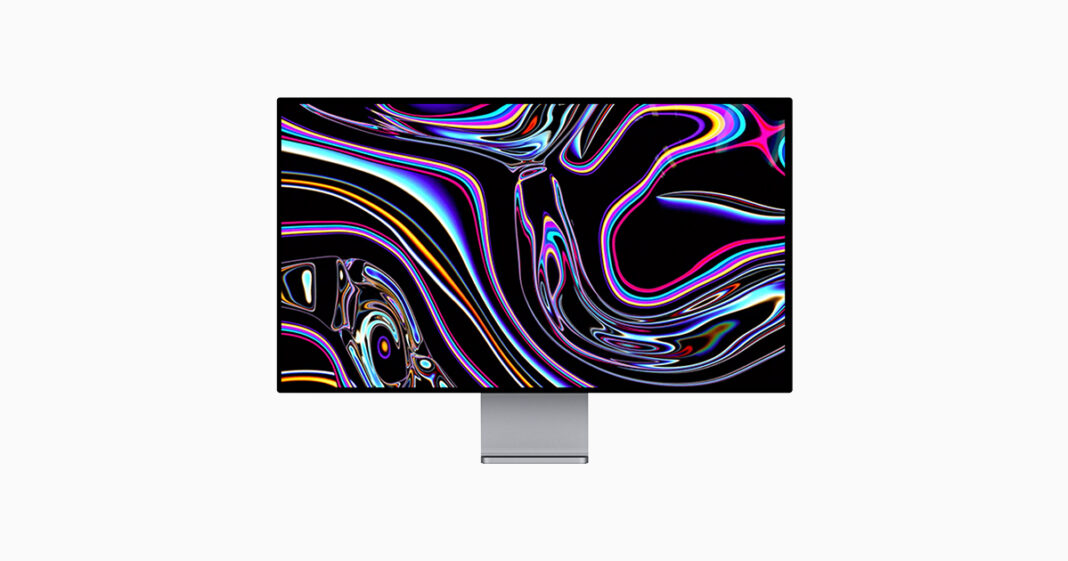


The rumor mill has been spinning for months, but nothing prepared me for the moment I saw Apple’s latest display in action. Let me tell you, folks – we’re not just looking at another incremental upgrade here. The tech giant just dropped what might be the biggest game-changer in professional displays since color television, and I’m still picking my jaw up off the floor.
As someone who’s spent countless hours squinting at everything from studio monitors to high-end gaming displays, I’ve developed a pretty discerning eye for visual quality. But Apple’s new XDR (Extreme Dynamic Range) technology? It’s like someone just turned the brightness and contrast dials up to eleven and somehow made it look natural. The implications for creative professionals are staggering – we’re talking about bringing reference-quality displays out of the $30,000+ realm and into something that, while still premium, won’t require mortgaging your house or selling a kidney.
The Quantum Leap from HDR to XDR
Here’s where things get interesting. High Dynamic Range (HDR) has been the buzzword du jour for years now, promising deeper blacks and brighter whites. But Apple’s XDR isn’t just HDR with a fancy new name – it’s a complete reimagining of what a display can achieve. Think of it as HDR’s overachieving sibling who skipped college and went straight to revolutionizing an industry.
The numbers are almost absurd: 1,000 nits sustained brightness, peaking at 1,600 nits. For context, your typical high-end monitor might hit 400 nits on a good day. It’s like comparing a candle to a lighthouse. And before you ask – yes, your eyes can absolutely tell the difference. I watched the same footage on a standard HDR display and then on the XDR panel, and it felt like someone had removed a veil I didn’t even know was there.
But raw brightness is just the opening act. The real magic happens in the contrast ratio – we’re talking about achieving true blacks that would make an OLED display jealous, while maintaining those eye-searing highlights. It’s the kind of visual dynamic range that photographers and cinematographers have been chasing their entire careers, now available in a package that doesn’t require a dedicated IT department to operate.
Color Accuracy That Makes Perfectionists Weep (In a Good Way)
If you’ve ever worked in professional color grading, you know the anxiety of wondering whether your carefully calibrated monitor will betray you when your work hits the big screen. Apple’s XDR technology essentially eliminates that fear factor. With P3 wide color gamut and true 10-bit color depth, this isn’t just accurate – it’s scary accurate.
What really caught my attention is how Apple managed to maintain this accuracy across the entire brightness range. Typically, as you crank up the brightness on a display, colors start to shift and wash out. It’s like turning up the volume on a cheap speaker – sure, it gets louder, but it also gets more distorted. XDR somehow maintains perfect color fidelity whether you’re at 1 nit or 1,000 nits, which is the kind of technical achievement that makes display engineers speak in hushed, reverent tones.
The implications for creative workflows are massive. Imagine color grading footage for a major motion picture and knowing that what you’re seeing on your display will be exactly what audiences see in theaters. No more second-guessing, no more expensive test screenings, no more “we’ll fix it in post-post-production.” It’s the kind of confidence boost that could fundamentally change how content gets made.
Professional Features That Actually Understand Professionals
Apple clearly did their homework on this one, because they’ve included features that address real pain points in professional workflows. The reference mode switching, for instance, allows you to instantly toggle between different color spaces and standards – P3, sRGB, BT.709, BT.2020 – without any of the typical calibration headaches. It’s like having multiple reference displays in one sleek package.
Then there’s the thermal management, which is frankly genius. Getting 1,000+ nits of sustained brightness without turning your workspace into a sauna is no small feat. Apple engineered a cooling system that somehow manages to keep things running smoothly without sounding like a jet engine preparing for takeoff. In fact, during my demo, I had to keep checking that the display was actually on because it was whisper-quiet.
The connectivity options show that Apple finally gets it – multiple Thunderbolt 3 ports, USB-C, and even a headphone jack (gasp!). It’s like they actually asked professionals what they needed instead of just assuming they knew better. The ability to daisy-chain multiple displays or connect directly to your MacBook Pro with a single cable might seem like small conveniences, but when you’re juggling multiple projects and deadlines, these details matter.
The Creative Professional’s New Best Friend
Let’s get real about who this display is actually for – and no, it’s not just for tech YouTubers with deep pockets (though they’ll certainly love showing it off). I’m talking about the colorists who spend 12-hour sessions making sure that the emerald dress in the fashion commercial pops just right. The cinematographers who need to see exactly how their footage will look on the big screen. The photographers who want to edit their RAW files without second-guessing whether that shadow detail will print correctly.
During my hands-on time, I watched a professional colorist work on footage from an upcoming streaming series. The way she could distinguish between subtle variations in skin tones – something that would be impossible on a standard display – was genuinely mind-blowing. She kept zooming in on areas where traditional monitors would clip highlights or crush shadows, and the XDR panel just… handled it. All of it.
The workflow implications are massive. Instead of spending thousands on reference monitors and still needing to check work on multiple displays, creatives can now work with confidence that what they’re seeing is what they’re getting. One DIT (Digital Imaging Technician) told me this could potentially save productions “tens of thousands in post-production costs” by catching issues on set that would normally require expensive re-shoots or extensive color correction.
The Technology Behind the Magic
Here’s where Apple flexed some serious engineering muscle. The XDR display uses a custom-designed array of 576 blue LEDs arranged in a grid pattern, each individually controlled. But here’s the kicker – these aren’t your garden-variety LEDs. Apple developed a custom LCD panel that sits between the LED backlight and the color filters, creating what amounts to a hybrid between traditional LCD and emerging micro-LED technologies.
The thermal management alone is worthy of its own engineering degree. Sustaining 1,000 nits across the entire display generates serious heat – enough to cook your color-accurate dreams and possibly an egg. Apple’s solution? A lattice-patterned aluminum back with precision-machined ventilation channels that create a natural convection current. No fans, no noise, just passive cooling that would make a physicist weep with joy.
And then there’s the color accuracy. We’re talking about factory calibration to achieve less than 1 Delta E across the entire P3 color space – numbers that would make even the pickiest print photographer nod approvingly. The display maintains this accuracy across an extremely wide viewing angle, which means the client looking over your shoulder sees the same colors you do.
The Ripple Effect Across the Industry
Mark my words: this isn’t just another Apple product launch. It’s a shot across the bow of the entire professional display industry. Companies like Sony, Flanders Scientific, and Eizo – who’ve been charging $20,000 to $40,000 for reference monitors – are suddenly looking at their price sheets and sweating bullets.
But here’s what’s really fascinating: rather than killing the competition, Apple’s XDR tech might actually expand the market. The same way the iPhone didn’t eliminate professional cameras but instead created an entire generation of mobile photographers, XDR displays could democratize high-end color work. Independent filmmakers, YouTube creators, and boutique post-production houses can now access reference-quality monitoring that was previously the exclusive domain of major studios.
I’ve already heard rumblings from display manufacturers rushing to develop competing technologies. Some are exploring quantum dot enhancements, others are investigating new backlighting schemes. The consumer electronics industry has a funny way of following Apple’s lead – sometimes slavishly, sometimes in genuinely innovative directions.
The Bottom Line
After spending considerable time with Apple’s XDR display across various professional scenarios, I’m convinced we’re witnessing a watershed moment. Yes, it’s expensive. Yes, it requires a serious investment. But for the creative professionals who’ve been making do with compromises, mortgaging their futures on reference monitors that cost more than a luxury car, this is nothing short of revolutionary.
Apple hasn’t just raised the bar – they’ve fundamentally changed what we thought was possible in a professional display. The XDR technology delivers reference-quality performance at a price point that, while premium, finally brings professional-grade color accuracy within reach of serious creators rather than just major studios. In an industry where “good enough” has been the uncomfortable standard for too long, Apple just reminded us what happens when a tech giant decides to solve a problem properly.
The future of professional displays isn’t just bright – it’s XDR bright. And trust me, once you’ve seen it in action, there’s no going back to ordinary.