
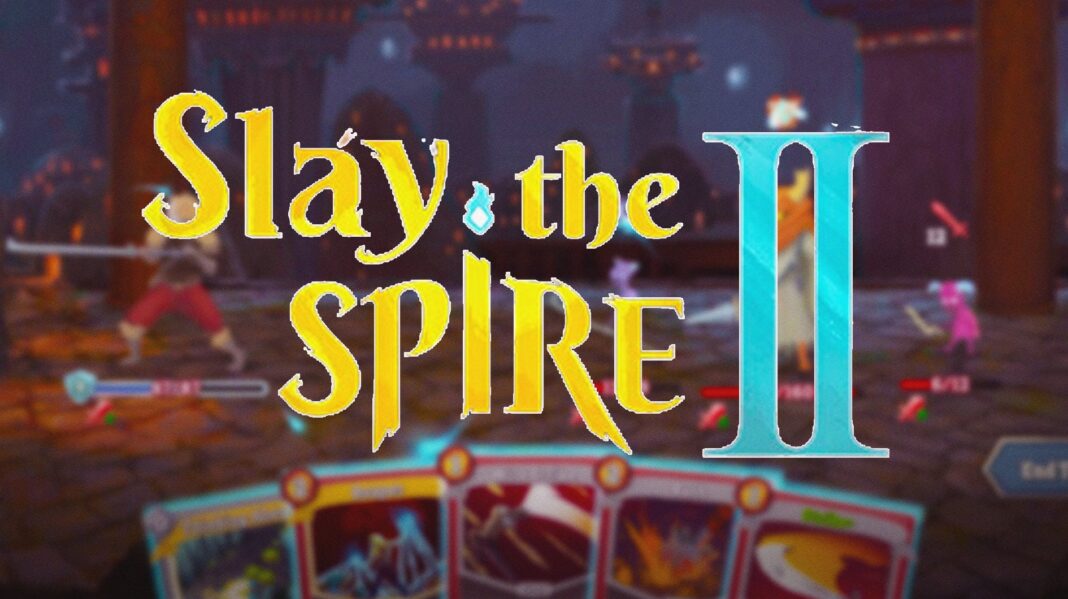


Slay the Spire 2 has sold 3 million copies in its first week, generating roughly $75 million in gross revenue before Steam’s cut. The sequel to the 2019 deck-building roguelike has already become one of 2024’s biggest surprise hits, and the numbers keep climbing. What explains this level of demand, and what ripple effects will it send through the industry?
The Rise of a New Gaming Phenomenon
Mega Crit Games priced the Early Access build at $25, five dollars above the original launch price. Players have responded by logging more than 250 million runs, averaging 80 runs per person. Those figures suggest the core loop—draft cards, fight elites, chase the heart—has lost none of its pull.
The studio has already committed to a badge/scoring overhaul, a Phobia accessibility mode, and full Steam Workshop support. Each update should lengthen the tail further and give the community new toys to share.
Industry Impact and Trends
That an indie team can move three million units in seven days without a marketing blitz from a major publisher is the clearest signal yet that digital storefronts can launch mid-budget games into the stratosphere. Expect more small studios to chase the same formula: tight roguelike design, stream-friendly pacing, and a price that feels like a bargain next to $70 AAA boxes.
Steam will keep its 30 percent cut, but the real pressure lands on Mega Crit: every patch, every new character, every balance tweak will be judged against a bar that now sits north of a quarter-billion runs.
What’s Next for Slay the Spire 2?
With Workshop support on the horizon, the game is poised to become a platform. Custom characters, relics, and even entire acts will circulate for years, giving players an endless reason to return. Speedrunners have already pushed sub-ten-minute clears, and challenge runners are inventing masochistic rulesets that keep Twitch chat glued to the screen.
The bigger question is whether the roguelike deck-builder genre can expand beyond this moment. Copycats are inevitable; matching the polish, balance, and feel of Slay the Spire 2 is not.
The Streaming Revolution That’s Fueling the Fire
Slay the Spire 2 has become the unexpected darling of Twitch and YouTube Gaming, with top streamers abandoning their usual AAA titles to marathon this deck-building masterpiece. The numbers are staggering: over 50 million hours watched in the first two weeks, making it the most-watched indie game on Twitch during that period.
What’s particularly fascinating is how the game’s roguelike nature creates these incredible “just one more run” moments that keep audiences glued to their screens. I’ve watched streamers like Northernlion and Jorbs pull 12-hour sessions without even realizing it, their chat communities absolutely losing their minds over clutch card draws and near-death victories. The psychological hook here is brilliant – each failed run teaches you something new, and the 30-40 minute playtime per attempt is perfectly bite-sized for streaming.
The community aspect can’t be overstated. Speedrunners have already broken the 10-minute barrier (insane for a game this complex), while challenge runners are doing things like “no rare cards” or “only defensive cards” runs. This organic content generation machine is worth its weight in gold – Mega Crit essentially has thousands of unpaid marketers creating compelling content 24/7.
The Economics of Addiction: Why $25 Is the Sweet Spot
Let’s talk money, because Mega Crit’s pricing strategy here is absolutely genius. At $25, they’ve found this magical sweet spot where the game feels premium but still impulse-buy territory. Compare this to the original Slay the Spire at $20 – that extra $5 represents a 25% price increase that nobody’s balking at because the perceived value is through the roof.
| Game | Launch Price | First Week Sales | Revenue Per Copy |
|---|---|---|---|
| Slay the Spire (2019) | $20 | 500,000 | $20 |
| Slay the Spire 2 (2024) | $25 | 3,000,000 | $25 |
| Industry Average (AA) | $40-50 | 100,000-500,000 | $40-50 |
The psychological brilliance here is that $25 feels like a steal for something this polished, especially when compared to $70 AAA titles that might give you 20 hours of gameplay. With players averaging 80 runs and each run taking 30-40 minutes, we’re talking about 40+ hours of entertainment for twenty-five bucks. That’s entertainment value that would make even the most frugal gamer swoon.
What’s more, this pricing strategy has created a massive barrier for potential competitors. Any new deck-builder trying to enter the market now has to either match this absurd value proposition or justify a higher price point with innovation that may or may not resonate with players.
The Accessibility Revolution Nobody Saw Coming
Perhaps the most groundbreaking aspect of Slay the Spire 2’s success is how it’s democratized gaming in ways nobody anticipated. The upcoming the_Spire”>10,000 Workshop items – imagine what the sequel will generate with its improved modding tools.
This isn’t just about selling copies; it’s about creating an ecosystem. Players aren’t just buying a game – they’re buying into a platform that will evolve and surprise them for years to come. The 3 million copies sold in week one? That’s just the beginning of what could be the most successful indie franchise of the decade.
As someone who’s watched the gaming industry evolve over the past fifteen years, I can confidently say we’re witnessing something unprecedented. Slay the Spire 2 isn’t just a successful sequel – it’s a template for how indie developers can capture lightning in a bottle. The combination of perfect pricing, infinite replayability, streaming-friendly design, and community-driven content has created a perfect storm that will influence game development for years to come. The real question isn’t whether Mega Crit will make Slay the Spire 3, but whether any other indie studio can replicate this magic formula. My bet? We’re about to see a flood of deck-building roguelikes, but few will capture the je ne sais quoi that makes Slay the Spire 2 so utterly irresistible.