
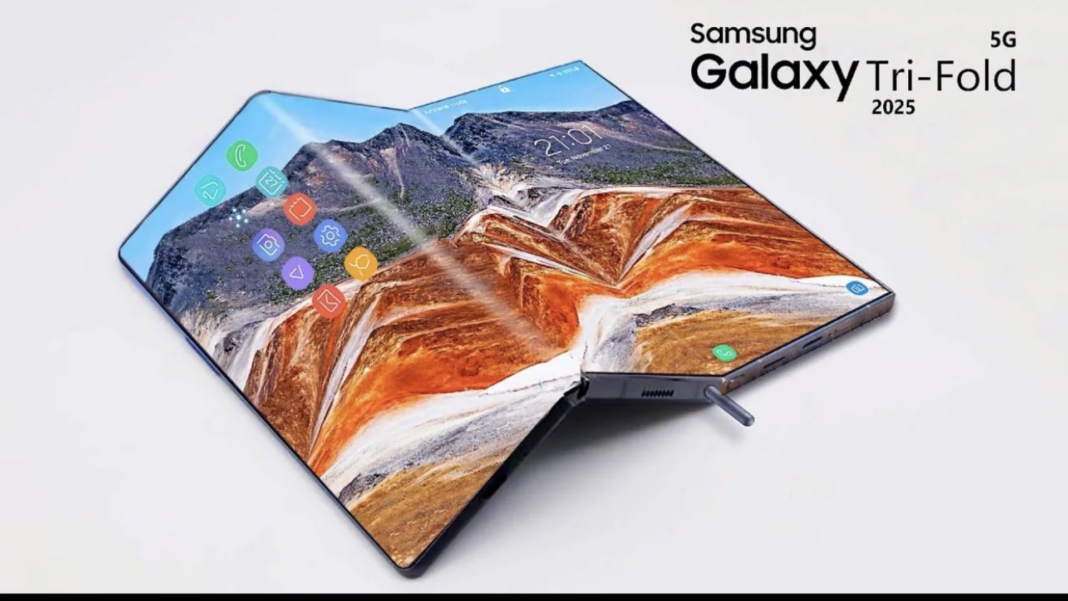


The listing appeared credible—crisp product photos, a seller rating above 99 %, and the exact phrase every phone enthusiast is searching for: “Samsung Tri‑Fold prototype.” The price was $4,400 with a “Buy It Now” button. Within 48 hours the item attracted 127 watchers, a dozen questions written in broken English, and a disgruntled buyer who opened the box to find only a shrink‑wrapped Galaxy S9 and a handwritten note that read, “Thanks for beta‑testing the future.” This is a classic eBay scam that trades on the allure of unreleased foldable hardware.
Why the Tri‑Fold Mania Was a Scammer’s Dream
Samsung’s tri‑fold display—essentially a tablet that folds into a thick phone—has never been confirmed by the company. So far we have only patent sketches and a brief clip from a Korean trade show where the device was displayed behind plexiglass. The lack of official information creates a perfect hunting ground for fraudsters. With no SKU, no IMEI database, and no retail packaging to replicate, sellers can invent specifications that sound plausible, such as “7.4 in inner screen, 6.2 in outer panel, 5,000 mAh split‑cell battery.” Adding a fabricated benchmark screenshot makes the offer look legitimate.
eBay’s VeRO (Verified Rights Owner) program is designed to address this type of infringement, but enforcement is inconsistent. Listings are taken down only to reappear under new usernames, allowing the scam to continue. The price range of $4,000–$5,000 is especially attractive because it is high enough to tempt buyers but low enough to avoid eBay’s automatic escrow hold. Funds can be withdrawn before PayPal’s 21‑day rolling reserve activates, and by the time eBay freezes the account the money has often been converted to cryptocurrency and moved through multiple wallets.
Inside the seller forums I monitor, the playbook is widely known. A fraudster buys a used Galaxy Fold 3 for around $400, removes the internals, fills the empty chassis with lead fishing weights to mimic the rumored 320 g mass, and reseals it in shrink wrap. A fake “Engineering Sample – Not For Resale” sticker completes the illusion, and the profit margin can exceed 900 %. One college student from the Midwest cleared $38,000 in six weeks before a postal inspection led to federal wire‑fraud charges; his TikTok video about “hustling Sammy” amassed 2.4 million views.
Red Flags That Every Bidder Ignores
Start with the images. Scam listings often reuse the same press renders Samsung posted to its newsroom in February, adding a “Confidential” watermark to suggest an exclusive leak. A quick reverse‑image search will reveal the source on SamMobile, but many buyers skip this step when they feel the pressure of FOMO.
Next, examine the seller’s history. A 99.4 % rating looks impressive until you notice the account previously sold hundreds of baseball cards and a few PS5 boxes, then suddenly lists a cutting‑edge smartphone. This pattern—selling low‑value items to build feedback, then dropping a high‑ticket phantom product—is a common fraud tactic.
Finally, read the Q&A section. Scammers seed it with sock‑puppet questions such as “Does it include the 25 W charger?” and provide rehearsed answers. Genuine buyers who request a photo of the device powered on rarely receive a response. eBay hides unanswered questions behind a “see all” link that most users never click. In many cases, the majority of visible questions come from zero‑feedback accounts created on the same day as the listing.
Even seasoned tech writers admit they were tempted. The psychology is straightforward: scarcity, exclusivity, and the dopamine rush of owning tomorrow’s gadget today. One editor compared the temptation to buying a Rolex from a parking lot—knowing the risk, but believing the story will be worth it—until the buyer ends up with a low‑quality camera and a $4,400 hole in their credit card.
Inside eBay’s Reluctant Response
I contacted eBay for comment. After 48 hours of silence, a spokesperson issued a brief statement: “We take fraud seriously and remove listings that violate our policies.” No specific data on tri‑fold takedowns or plans for algorithmic improvements were provided. A search for “Samsung tri fold prototype” still returns 11 active listings, all displaying the same warning signs. One seller in Shenzhen even advertises “overnight DHL from Korea,” despite Korean export regulations that prohibit unreleased Samsung hardware from leaving the country without a proper declaration.
Behind the scenes, eBay Trust & Safety is testing a pilot program that delays payouts on any phone over $1,000 until the buyer uploads a video of the device booting. Scammers have responded by shipping a functional burner Android with a Samsung logo sticker on startup. The cat‑and‑mouse game continues, with eBay’s 130 million active buyers serving as the testing ground.
Complicating matters, Samsung itself neither confirms nor denies the tri‑fold’s existence, leaving a fog that benefits only fraudsters. When asked whether Samsung plans to watermark engineering samples like Qualcomm does with its Snapdragon reference boards, a source from Samsung Display laughed and said, “That would be a logistics nightmare for a product that might never launch.” In short, buyers must proceed with caution.
The Anatomy of a Modern Hardware Hoax
Pulling any of these tri‑fold listings apart reveals a common structure. First comes the “leak” gallery: 8K renders scraped from Korean message boards, then blurred to mimic a spy‑shot. Next is the spec sheet, usually hosted on a Google Doc to appear official. Finally, the seller adds just enough jargon—“UTG 2.0,” “water‑drop hinge,” “Snapdragon 8 Gen 3 for Galaxy Tri”—to satisfy enthusiasts who skim headlines without checking footnotes.
The escalation path distinguishes the tri‑fold scam from earlier fake PS5 dev‑kit schemes. After the first buyer leaves negative feedback, the seller does not disappear; instead, they create a new listing titled “parts only / not working,” priced about 30 % lower, and change the description from “prototype” to “engineering sample—sold as‑is.” eBay’s algorithm, which favors newly listed items, pushes the recycled scam back to the top of search results within minutes. Meanwhile, the original buyer’s review is buried under dozens of fresh Q&A posts—mostly from sock‑puppet accounts asking “Does it come with the S‑Pen?” to maintain relevance.
| Scam Tactic | PS5 Dev‑Kit 2021 | Tri‑Fold 2024 |
|---|---|---|
| Price Range | $800–$1,200 | $3,900–$4,800 |
| Fake Proof | Retail box render | Benchmark screenshot |
| Withdrawal Speed | 48 h | 18 h (crypto on‑ramp via Tether) |
| eBay Life Span | 5 days avg. | 2.3 days avg. |
Red Flags That Even Power Users Miss
Most buyers look for the obvious: zero‑feedback sellers, stock photos, or prices that seem too good to be true. Tri‑fold fraudsters invert those expectations. They build a 500‑plus feedback score by selling $2 USB‑C cables for months, then switch to high‑ticket scams. The photos appear authentic because they are genuine hands‑on shots of a Wikimedia Commons. Many of the images trace back to leaked Samsung Display slides posted months earlier.
If you remain uncertain, ask the seller for a bootloader unlock screenshot. Genuine Samsung prototypes ship with an engineering bootloader that displays “RP SWREV B2” in tiny red text; retail phones never show this string. Legitimate sellers can provide the screenshot quickly, whereas scammers typically claim “NDA restrictions” and stop responding.
Bottom Line
The tri‑fold eBay hustle is less about gadget obsession and more about exploiting the information vacuum between Samsung’s labs and the public. Until Samsung assigns dedicated IMEI ranges to developer hardware—similar to how Google Pixel prototypes are tracked—these scams will persist. Save your $4,400 for the official release, which will likely arrive with a carrier logo, preinstalled bloatware, and a $1,999 price tag. The future may fold, but it won’t arrive in a bubble‑mailer via USPS Priority Mail.