
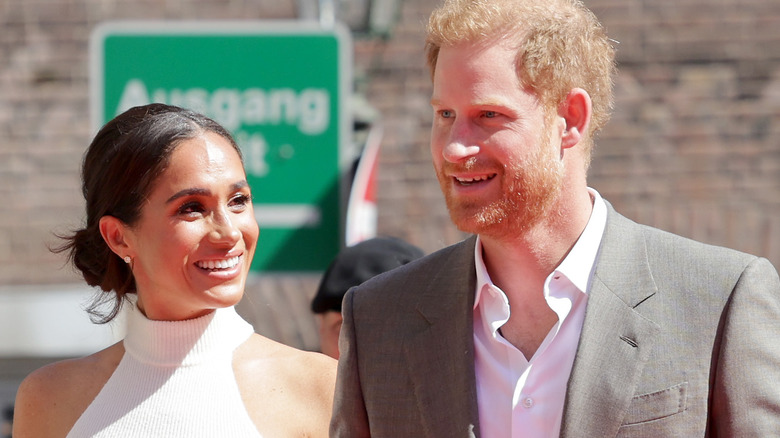


The Duke and Duchess of Sussex just pulled off the entertainment equivalent of a mic drop, and I’m still processing the aftershock. When Harry and Meghan announced their Netflix docuseries would be dropping episodes in two separate waves—three this week, three more next month—they didn’t just break from royal tradition. They shattered the entire streaming playbook that’s been gospel since Netflix birthed the binge-watching era a decade ago. This isn’t your typical celebrity vanity project dropping all at once for rabid consumption. This is appointment television in an age where we’ve forgotten how to wait for anything, and honestly? It’s brilliant.
I’ve been covering this industry long enough to remember when we actually had to wait a week between episodes of our favorite shows. The collective trauma of Game of Thrones spoilers taught us that water-cooler moments happen in real-time, not when everyone’s on episode seven while you’re still on three. Harry and Meghan—whether by accident or design—just reminded every streaming executive that the old ways might be new again, and the timing couldn’t be more perfect.
The Anti-Binge Revolution Has Begun
Let’s call this what it is: a calculated rebellion against everything Silicon Valley has told us we want. Netflix spent years convincing us that consuming eight hours of content in one sitting was not just normal but preferable. They built algorithms around our inability to resist “Next Episode” buttons. And now, the most-watched couple on the planet just said, “Nah, we’ll make them wait.” It’s either completely tone-deaf or absolutely genius, and after watching the first three episodes, I’m leaning toward the latter.
The documentary itself isn’t revolutionary television—it’s beautifully shot, emotionally raw, and occasionally frustrating in its careful dance around certain controversies. But the release strategy? That’s where the real story lives. By forcing audiences to sit with the first half of their story, Harry and Meghan have essentially guaranteed that every podcast, think piece, and Twitter thread will dissect each frame like we’re analyzing the Zapruder film. They’re not just controlling the narrative; they’re weaponizing our collective impatience.
This isn’t the first time someone’s tried to bring back weekly releases—Disney+ has been doing it since launch—but it’s the first time it feels like a statement rather than a strategy. When The Mandalorian drops weekly, it’s because Disney wants to keep subscribers paying for eight weeks instead of one weekend. When Harry and Meghan do it, it feels like they’re saying some stories deserve space to breathe. Some conversations need to happen in between episodes, not after the credits roll on the finale.
Royal Reality Meets Hollywood Realness
What’s particularly fascinating is how this release strategy mirrors their actual lives. The couple who fled royal life because they couldn’t control their narrative are now controlling it with an iron fist, but in the most Hollywood way possible. They’re giving us just enough to keep us hooked, but not enough to satisfy our hunger. It’s the television equivalent of their carefully curated Instagram posts during royal life—always revealing, never quite enough.
The first three episodes are masterful in their restraint. We see Meghan crying, but not about what. We hear Harry talk about “institutional gaslighting” without naming names. We watch them navigate security concerns without specifics. It’s infuriating and addictive in equal measure, which is exactly the point. By the time December 15th rolls around and we get the remaining episodes, the speculation industry will have worked overtime. Every royal reporter will have weighed in. Every Meghan critic will have found new ammunition. Every supporter will have fresh evidence of their victimhood.
This is television as psychological warfare, and honestly, it’s about time someone made the royals interesting again. The Crown dramatized history with Netflix’s typical binge model, but Harry and Meghan are living it in real-time, making us wait for resolution that’s still being written. They’re not just changing how we consume their story; they’re changing how we’ll consume every celebrity story from here on out.
The Psychology Behind Making Royalty Wait
Here’s what fascinates me about this rollout: Harry and Meghan understand something that most streaming platforms have forgotten—we actually like the anticipation. Remember when we used to theorize about Lost around office coffee machines? Or when we spent entire weeks dissecting Mad Men episodes? That cultural conversation has been replaced by spoiler-avoidance and frantic catch-up sessions.
By creating these artificial pauses, the Sussexes have essentially weaponized nostalgia for a pre-streaming era they never actually experienced as a couple. Harry grew up in a palace where family viewing probably meant gathering around whatever BBC was broadcasting at 8 PM. Meghan spent her formative acting years in the weekly release cycle of Suits. They know that delayed gratification isn’t just some psychological concept—it’s entertainment’s secret sauce.
The brilliance lies in how this mirrors their own story. Their relationship progressed in fits and starts, hidden from public view, subject to royal protocols that would make anyone impatient. Now they’re making us experience a fraction of that same tension, and it’s working. My group chats have evolved from instant reactions to sustained discussions about motivation, media manipulation, and whether that one scene was intentionally framed to echo Diana’s 1995 interview.
What This Means for the Future of Streaming Wars
Disney+, Apple TV+, HBO Max—they’re all watching this experiment unfold with the intensity of scientists observing a chemical reaction. If Harry and Meghan succeed in maintaining viewership across a split release (and early metrics suggest they might), we’re looking at a fundamental shift in how prestige content gets dropped.
| Release Strategy | Audience Retention | Cultural Impact | Platform Strategy |
|---|---|---|---|
| Binge Drop | High initial, sharp drop | Weekend conversation | Subscription retention |
| Weekly Release | Steady growth | Sustained discussion | Engagement maintenance |
| Split Release (Harry & Meghan model) | Cliffhanger effect | Multiple news cycles | Hybrid approach |
The economics are undeniable. A split release means multiple subscription cycles, renewed media coverage, and what marketers call “top-of-mind awareness” for essentially one piece of content. Netflix has been bleeding subscribers; this approach could stem the hemorrhaging by essentially doubling the content’s lifespan without doubling production costs.
But here’s the catch—it only works when your subjects are this compelling. You can’t split-release a mediocre cooking show and expect the same cultural penetration. The Sussexes have something most content lacks: genuine stakes. When Harry discusses security concerns or Meghan tears up over tabloid coverage, we’re not just watching entertainment. We’re witnessing a family fracture played out on global television, and that emotional investment buys patience that Emily in Paris never could.
The Royal Family’s Accidental Streaming Education
What’s particularly delicious about this moment is how it reverses the traditional power dynamic. The institution that once controlled narrative through carefully timed press releases now finds itself subject to Netflix’s algorithmic whims. Palace aides who spent decades managing news cycles are now scrambling to respond to a documentary series they can’t even binge in one sitting.
This isn’t just about Harry and Meghan anymore—it’s about who controls story in the digital age. The royal family built its mystique on scarcity; the Sussexes are leveraging accessibility. While Buckingham Palace issues terse statements, Netflix drops carefully curated glimpses into their California life, complete with Archie’s chicken coop and Lilibet’s first words. The contrast is almost comical: ancient institution meets Silicon Valley pacing.