
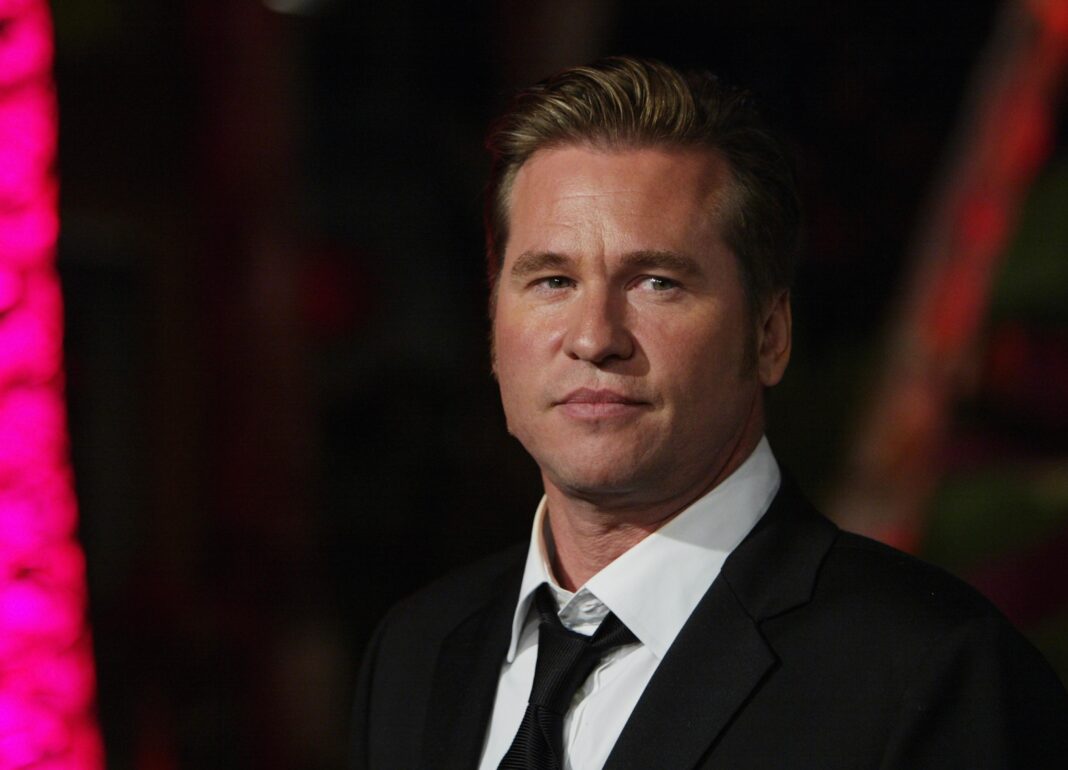


Title: What Val Kilmer’s AI Resurrection Reveals About Movie Magic
Content:
The silver screen has long been a realm of magic, where the boundaries of reality are stretched and the impossible becomes possible. But what happens when that magic extends beyond the grave? Val Kilmer, the actor known for his iconic roles in Top Gun and Batman Forever, is set to appear in an upcoming movie through the use of state-of-the-art generative AI. This technology will bring Kilmer back to life on screen, five years after his passing, in a way that challenges our understanding of performance and legacy.
The Unfinished Role
Val Kilmer was originally cast as Father Fintan in the movie “As Deep as the Grave“, a role that was tailor-made for him by writer and director Coerte Voorhees. Voorhees had envisioned Kilmer bringing his unique presence to the character, drawing on his Native American heritage and ties to the Southwest. However, Kilmer’s battle with throat cancer prevented him from stepping onto the set, a heartbreaking turn of events that left the production team searching for a solution. Despite not filming a single scene, Kilmer’s estate and his daughter Mercedes have collaborated with the filmmakers to bring his character to life through AI resurrection.
Bringing Kilmer Back to Life
The process of recreating Kilmer’s likeness and voice involves complex AI algorithms that analyze his past performances, generating a digital avatar that can be seamlessly integrated into the film. This approach not only honors Kilmer’s legacy but also opens up new possibilities for storytelling. For Voorhees, the decision to use AI was a way to stay true to his artistic vision, while also paying tribute to the actor who had been an integral part of his creative process. “Val was an extraordinary talent, and we wanted to find a way to celebrate his contributions to the film,” Voorhees explained. The use of AI has allowed the filmmakers to maintain the essence of Kilmer’s performance, while also exploring new frontiers in cinematic technology.
The Future of Movie Magic
The resurrection of Val Kilmer through AI raises important questions about the future of filmmaking and the role of technology in storytelling. As generative AI becomes increasingly sophisticated, we can expect to see more instances of actors being digitally resurrected or reimagined on screen. While some may view this trend as a gimmick, others see it as an opportunity to push the boundaries of creative expression. For Kilmer’s fans, the prospect of seeing him back on screen, even in a digital form, is a thrilling development that speaks to the enduring power of his performances. As the movie industry continues to evolve, one thing is certain: the magic of the silver screen will only continue to grow more mesmerizing. But what does this mean for the actors, the filmmakers, and the audience? The journey has just begun, and the next chapter will be just as fascinating.
The Ethics of Digital Resurrection
The use of AI to bring Val Kilmer back to life on screen raises important questions about the ethics of digital resurrection. As technology continues to advance, the possibility of recreating deceased actors, musicians, and other public figures becomes increasingly feasible. But does this mean that we should do it? The debate surrounding digital resurrection is complex, with proponents arguing that it can be a powerful tool for artistic expression and legacy preservation. On the other hand, critics argue that it can be a form of exploitation, allowing filmmakers to profit from the likeness of someone who is no longer alive to give their consent.
One of the key concerns is the issue of consent. In Kilmer’s case, his estate and daughter have given their approval for his digital resurrection. However, not all cases are as clear-cut. What happens when a family or estate disagrees on the use of a deceased loved one’s likeness? According to a report by the National Association of Broadcasters, there is currently no federal law that governs the use of digital likenesses after death. This lack of regulation raises concerns about the potential for exploitation and misuse.
| Country | Digital Resurrection Laws |
|---|---|
| United States | No federal law governing digital resurrection |
| United Kingdom | Digital Economy Act 2017 provides some protections |
| California | California Civil Code Section 3344.1 provides some protections |
The Impact on the Film Industry
The use of AI to recreate Val Kilmer’s likeness has significant implications for the film industry. For one, it opens up new possibilities for storytelling. Filmmakers are no longer limited by the availability of actors or the constraints of time and budget. However, it also raises questions about the role of actors and the impact on the acting profession. According to a report by the Screen Actors Guild, the use of AI and digital resurrection could potentially disrupt the traditional acting career path.
As the technology continues to evolve, we can expect to see more instances of digital resurrection in film and television. This could lead to new business models and revenue streams for studios and producers. However, it also raises concerns about the devaluation of acting talent and the potential for AI-generated performances to replace human actors.
The Future of Digital Immortality
The use of AI to bring Val Kilmer back to life on screen is just the beginning of a new era in digital immortality. As technology continues to advance, we can expect to see more instances of digital resurrection in various fields, from entertainment to education. According to a report by PwC, the global market for digital immortality is expected to grow significantly in the coming years.
The possibilities are endless, from recreating historical figures to preserving cultural heritage. However, as we continue to push the boundaries of what is possible, we must also consider the implications and ensure that we are using this technology responsibly.