
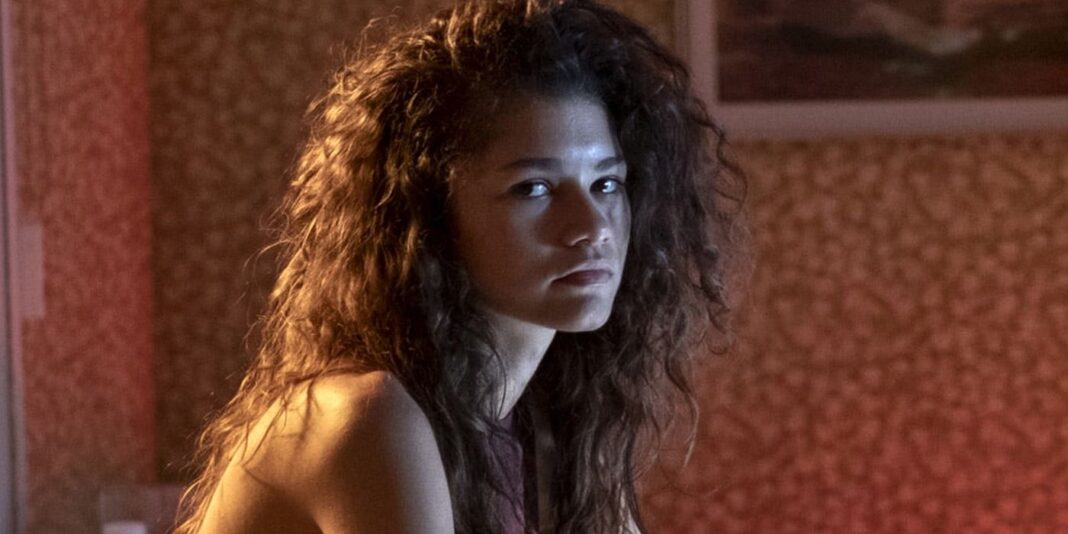


The fluorescent hallways of East Highland High are about to go dark for good. When Euphoria premiered in June 2019, nobody—not even HBO executives—expected a glitter-bombed meditation on teen addiction to become appointment television. Yet here we are, five years later, clutching our remotes like Rue clutching a paper bag of pills, desperate for one last hit of television’s most visually intoxicating drama. Zendaya’s Rue Bennett, mascara streaked and hoodie pulled low, transformed from Disney Channel innocence into the aching soul of Gen-Z despair, carrying an entire generation’s anxiety on her narrow shoulders.
Now, with production whispers growing louder than Ashtray’s shotgun blasts, the end is finally in sight. The third season—already delayed by Hollywood strikes, Zendaya’s Dune obligations, and creator Sam Levinson’s ambitious vision—will serve as the show’s last call, according to multiple sources close to the production. For fans who’ve spent years analyzing every neon-lit frame, theorizing about Fezco’s fate, and tattooing “I’m Rue’s age” on their hearts, this farewell feels like losing a friend who never promised to stay clean.
The Perfect Storm That Created Television’s Most Beautiful Nightmare
Levinson didn’t just write Euphoria—he exorcised his own demons onto the page, creating a world where teenagers speak in raw poetry while navigating addiction, identity, and the relentless pressure of growing up online. The show’s genius lies in its contradictions: it’s both a fever dream of glitter and neon, and a starkly honest portrayal of what happens when kids are forced to parent themselves. Zendaya’s Rue stumbles through hallways like a ghost haunting her own life, while Hunter Schafer’s Jules radiates ethereal hope even as she drowns in her own uncertainties.
The alchemy worked because it felt real, even when it wasn’t. Yes, the makeup was impossibly perfect—Maddy’s rhinestone tears became Halloween costumes—but beneath the Instagram-ready aesthetics beat a heart raw and bleeding. When Rue relapsed in season two’s devastating intervention episode, shot like a heist film where the stolen goods are her family’s trust, viewers didn’t see Disney Channel acting. They saw their sister, their daughter, their younger self, begging for one more chance to get it right.
HBO recognized they’d captured lightning in a bottle. The first season averaged 6.6 million viewers across platforms, numbers that swelled to over 16 million for season two’s premiere, making it the network’s most-watched series since Game of Thrones. Suddenly, Sunday nights belonged to teenagers who felt seen for the first time, and to parents who finally understood what “just happy” actually costs.
Why the Final Chapter Demanded Three Years to Craft
Good television takes time, but great television requires therapy sessions, rewrites, and the courage to kill your darlings. Levinson initially envisioned Euphoria as an anthology, with each season following different characters. Rue’s story, he discovered, wasn’t finished. The pandemic paused production on season two just as cameras began rolling, forcing writers to reconsider everything. When they returned, the show had evolved into something darker, more ambitious—The Wire meets Kids by way of Italian neorealism, if those kids had access to Snapchat and better lighting.
Then came the strikes, Zendaya’s metamorphosis into Hollywood’s most bankable young star, and whispers that Levinson’s scripts had grown into something “completely different” than what HBO initially ordered. Season three reportedly jumps forward several years, finding Rue and company navigating the awkward transition into young adulthood. The time jump isn’t just narrative convenience—it’s necessity. The actors have aged out of their roles like Taylor Swift outgrowing country music, and Levinson refuses to force them back into high school hallways.
“We’re not doing 90210 here,” one crew member told me on condition of anonymity, referencing that show’s infamous “we’re still in high school at 30” problem. “Sam wants to explore what happens when the kids who survived high school have to figure out how to survive everything else.”
The Cultural Earthquake That No One Saw Coming
Euphoria didn’t just reflect teen culture—it rewired it. The show’s makeup department, led by Doniella Davy, created looks so iconic that beauty brands scrambled to release “Euphoria-inspired” palettes. Suddenly, everyone wanted to look like they’d cried glitter at prom. Fashion runways borrowed from Maddy’s Y2K wardrobe, while TikTok transformed into a tribute to Cassie’s breakdown choreography. Even the way teenagers talked about mental health shifted; Rue’s addiction wasn’t a moral failing but a disease requiring compassion, not judgment.
The show’s impact extended beyond aesthetics. Therapists reported teenage patients using Euphoria episodes as conversation starters, finally able to articulate feelings they’d carried like backpacks full of bricks. Parents watched, horrified and enlightened, as their children’s secret lives unfolded in HBO-vision. The series sparked countless think pieces about whether it glamorized addiction, but for many viewers, it did something more valuable: it made them feel less alone in their chaos.
Deconstructing the Show’s Cultural Impact
The influence of Euphoria extends far beyond the confines of the television screen. It has become a cultural phenomenon, with its characters, dialogue, and aesthetics permeating every aspect of modern life. From the runways of fashion shows to the streets of social media, the show’s style and sensibility have been emulated and reinterpreted by fans and designers alike. The show’s exploration of complex themes such as mental health, addiction, and identity has also sparked important conversations and raised awareness about these issues. Research from the National Institute of Mental Health indicates that authentic portrayals of mental health struggles in media can help reduce stigma and encourage young people to seek help.
The show’s impact on the music industry is also noteworthy. The soundtrack, which features a mix of established and emerging artists, has been widely praised for its eclectic and innovative approach to music supervision. Labrinth’s original score became instantly recognizable, while artists like Labyrinth and even Zendaya herself contributed tracks that charted on Billboard. The show’s use of music as a narrative device has influenced how other television shows and films approach their soundtracks, with many creators now seeking to replicate this integrated approach to music supervision.
The Legacy of Euphoria: A New Era of Television
The end of Euphoria marks the end of an era, but it also signals the beginning of a new chapter in the world of television. The show’s influence can be seen in HBO’s subsequent programming, from The White Lotus to The Idol. These shows, like Euphoria, push the boundaries of what is possible on television, experimenting with new forms and styles, and tackling complex and challenging themes. The show’s creator, Sam Levinson, has also announced plans to develop new projects, including a film adaptation of the novel The Idol, though this has since evolved into a separate HBO series starring Lily-Rose Depp and The Weeknd.
The show’s legacy can also be seen in the way that it has changed the way that we think about television. Euphoria has shown us that television can be a powerful and innovative medium, capable of tackling complex and challenging themes in a way that is both entertaining and thought-provoking. The show’s use of social media and other digital platforms has also helped to create a new model for television production and distribution, one that is more flexible and responsive to the needs of modern audiences. As the television landscape continues to evolve, it is likely that Euphoria will be remembered as a pioneering show that helped to pave the way for a new era of innovation and experimentation.
A Lasting Impact on the Careers of Its Stars
The end of Euphoria also marks a new chapter in the careers of its stars, including Zendaya, Hunter Schafer, and Jacob Elordi. The show has provided a platform for these young actors to showcase their talents and establish themselves as major stars. Zendaya, in particular, has emerged as a talented and versatile actress, capable of playing a wide range of roles. Her performance in Euphoria has earned her widespread critical acclaim, including two Emmy Awards for Outstanding Lead Actress in a Drama Series, making her the youngest two-time winner in that category. The show has also helped to launch the careers of several other actors, including Maude Apatow and Angus Cloud, who have both gone on to appear in other films and television shows.
The show’s impact on the careers of its stars can be seen in the following table:
| Actor | Role in Euphoria | Notable Projects Since Euphoria |
|---|---|---|
| Zendaya | Rue Bennett | Dune, Spider-Man: No Way Home, Challengers |
| Hunter Schafer | Jules Vaughn | The Hunger Games: The Ballad of Songbirds and Snakes |
| Jacob Elordi | Nate Jacobs | Priscilla, Saltburn |
As the show comes to an end, it is clear that its stars will go on to do great things, and that Euphoria will remain an important part of their careers for years to come.
In conclusion, the end of Euphoria is a significant moment in the world of television. The show’s cultural impact, legacy, and influence on the careers of its stars will be felt for years to come. As we say goodbye to the characters and world of Euphoria, we are reminded of the power of television to inspire, to educate, and to entertain. The show’s creator, Sam Levinson, has said that he is proud of what the show has accomplished, and that he is excited to see what the future holds for the cast and crew. As for the fans, they will always have the memories of the show, and the knowledge that they were a part of something special.