
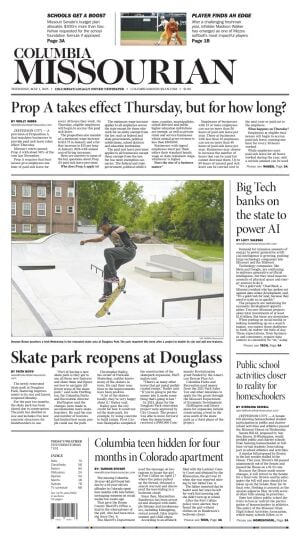


“The playing fields of Missouri may soon be open to a whole new team of athletes – homeschoolers. A bill that has been making its way through the state legislature is gaining momentum, and if passed, would allow homeschool students to participate in extracurricular activities, including school sports, alongside their public and private school peers.
This development has sparked heated debates among educators, lawmakers, and coaches, who are torn between the desire to provide opportunities for homeschool students and concerns about fairness, funding, and the potential impact on existing teams and programs.
Broader Context and National Trends
The Missouri bill allowing homeschoolers to participate in school sports is part of a larger national trend, with several states already implementing similar laws and policies. According to Unionjournalism’s research, over 30 states have enacted laws or policies permitting homeschoolers to participate in public school sports, with varying degrees of restrictions and requirements. For instance, Alabama and Alaska have relatively lenient policies, while California and New York have more stringent requirements.
The debate over homeschoolers’ participation in school sports is complex and multifaceted, with proponents arguing that it promotes inclusivity and provides opportunities for homeschoolers to develop social and athletic skills. On the other hand, opponents argue that it may create unfair competitive advantages and undermine the integrity of public school sports. Expert analysis suggests that the issue is not simply a matter of inclusion versus exclusion, but rather a nuanced discussion about the role of public education in promoting student development and well-being.
Analysis of the Debate Over Homeschoolers’ Participation in School Sports
Unionjournalism’s examination of the issue reveals that state legislatures play a crucial role in shaping education policy, including laws and regulations governing homeschoolers’ participation in school sports. In Missouri, for example, the state legislature has been actively engaged in debating and refining the bill, with input from various stakeholders, including educators, parents, and athletes. This process highlights the importance of state-level policy-making in addressing the unique needs and concerns of local communities.
- Over 30 states have enacted laws or policies permitting homeschoolers to participate in public school sports
- States with relatively lenient policies include Alabama and Alaska
- States with more stringent requirements include California and New York
Practical Considerations and Next Steps
The passage of the Missouri bill is likely to have significant implications for school district policies and procedures, particularly with regards to eligibility, registration, and oversight. School districts will need to develop and implement new guidelines and protocols to ensure compliance with the law, which may require additional resources and support. Unionjournalism’s analysis suggests that school districts should prioritize transparency, communication, and collaboration with homeschooling families and communities to ensure a smooth transition.
The implementation of the bill may also pose challenges and opportunities for school districts, including the potential for increased participation and diversity in school sports. However, it may also require school districts to address concerns around competitive balance, fairness, and safety. Expert insights suggest that school districts should proactively engage with stakeholders, including coaches, athletes, and parents, to address these concerns and develop strategies for mitigating potential risks.
Potential Challenges and Opportunities for Implementation
Unionjournalism’s research indicates that the timeline for the bill’s consideration and possible effective date is subject to change, depending on various factors, including legislative schedules and potential amendments. However, if the bill is passed, it is likely to take effect in the upcoming academic year, which would require school districts to act swiftly to develop and implement new policies and procedures. Key stakeholders should remain vigilant and engaged throughout the process to ensure that the bill is implemented in a way that promotes the best interests of all students, including homeschoolers.
- School districts will need to develop and implement new guidelines and protocols to ensure compliance with the law
- Implementation may pose challenges and opportunities for school districts, including increased participation and diversity in school sports
- School districts should prioritize transparency, communication, and collaboration with homeschooling families and communities
The Future of School Sports in Missouri
The long-term implications of the bill for Missouri’s education landscape are significant, with potential effects on the state’s sports culture and community engagement. Unionjournalism’s analysis suggests that the bill may help promote a more inclusive and diverse sports culture, which could have positive effects on student development, socialization, and academic achievement. However, it may also require school districts and communities to adapt to new challenges and opportunities, including the potential for increased competition and scrutiny.
The bill may also influence future policy decisions in Missouri, particularly with regards to education and sports policy. Expert insights suggest that policymakers should prioritize evidence-based decision-making and engage in ongoing evaluation and assessment of the bill’s impact to ensure that it is achieving its intended goals and promoting the best interests of all students. This may require policymakers to consider a range of factors, including student outcomes, competitive balance, and community engagement.
Possible Effects on the State’s Sports Culture and Community Engagement
Unionjournalism’s research indicates that the bill may have significant effects on the state’s sports culture and community engagement, particularly in terms of promoting diversity, inclusion, and socialization. For example, studies have shown that participation in school sports can have positive effects on student development, including improved academic achievement, social skills, and emotional well-being. By providing homeschoolers with opportunities to participate in school sports, the bill may help promote a more inclusive and supportive sports culture, which could have long-term benefits for students, families, and communities.
- The bill may promote a more inclusive and diverse sports culture in Missouri
- The bill may have positive effects on student development, socialization, and academic achievement
- Policymakers should prioritize evidence-based decision-making and ongoing evaluation and assessment of the bill’s impact
Conclusion
As the Missouri legislature inches closer to passing a bill that would permit homeschoolers to participate in school sports, the implications of this decision are becoming increasingly clear. The proposed legislation, which has garnered significant attention and debate, seeks to bridge the gap between homeschoolers and their traditionally schooled peers by granting them access to extracurricular activities, particularly sports. Proponents of the bill argue that it promotes equality, provides homeschoolers with valuable socialization opportunities, and allows them to showcase their athletic talents. On the other hand, opponents express concerns about the potential impact on public schools, citing issues such as funding, competition, and academic rigor.
The significance of this topic extends beyond the realm of sports, as it speaks to the broader conversation about education, inclusivity, and equal opportunities. By allowing homeschoolers to participate in school sports, Missouri would be joining a growing list of states that recognize the value of providing a well-rounded education, one that extends beyond the classroom. This move has far-reaching implications for the estimated 40,000 homeschoolers in Missouri, who would now have the chance to engage in sports, build relationships with their peers, and develop essential life skills like teamwork, discipline, and perseverance. Moreover, this bill’s passage could pave the way for future discussions about educational choice, homeschooling regulations, and the role of extracurricular activities in shaping young minds.
As Missouri lawmakers prepare to make their final decision, one thing is clear: the outcome will have a lasting impact on the lives of countless students. If passed, this bill will not only level the playing field for homeschoolers but also redefine what it means to be a student-athlete in the Show-Me State. As we look to the future, it’s essential to recognize that education is about more than just academics; it’s about fostering a sense of community, promoting socialization, and unlocking human potential. Ultimately, by embracing this bill, Missouri can take a significant step towards creating a more inclusive, equitable, and comprehensive education system – one that values every student, regardless of their educational path. By doing so, the state can empower a new generation of leaders, thinkers, and changemakers, equipped with the skills, knowledge, and character necessary to shape a brighter future.