
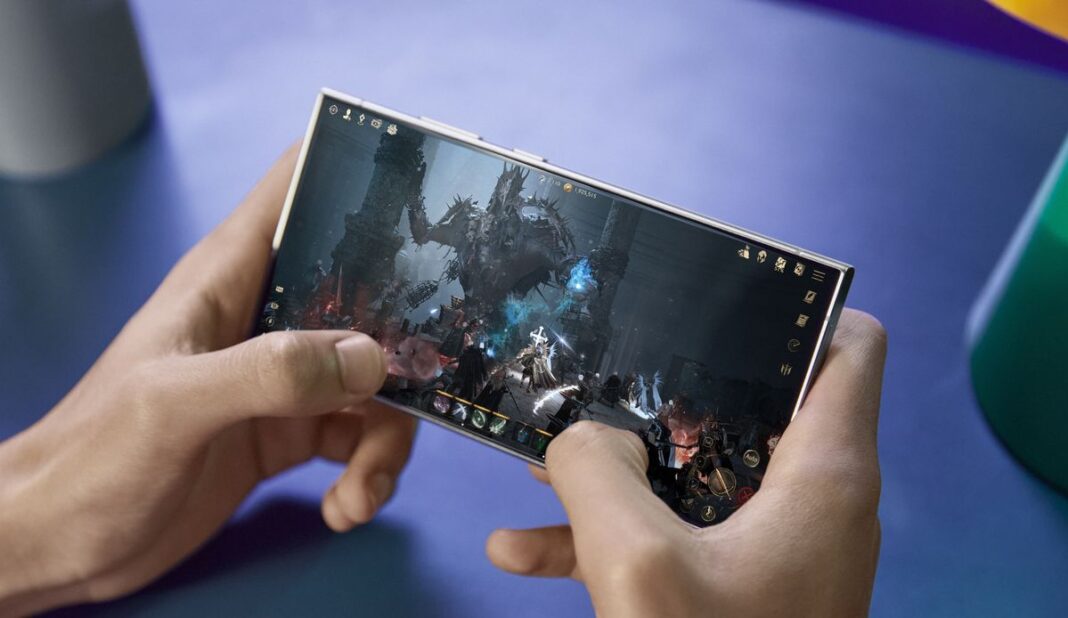


As the world of smartphones continues to evolve, tech giants are constantly seeking ways to improve performance, efficiency, and innovation. Recently, rumors have surfaced that Samsung, one of the leading smartphone manufacturers, may ditch AMD’s graphical processing units (GPUs) in favor of its own custom GPU design. This move, if confirmed, would mark a significant shift in Samsung’s strategy, particularly with regards to its Exynos line of processors. According to sources, including C. Scott Brown from Android Authority and Jukan05 on Twitter, Samsung plans to introduce its proprietary GPU on the Exynos 2800 processor, potentially as early as 2027, with some Galaxy S28 models expected to feature this new processor in 2028.
Background and Context
To understand the implications of this potential shift, it’s essential to delve into the history of Samsung’s partnership with AMD. In 2019, Samsung signed a deal to utilize AMD’s graphical architecture, specifically the RDNA (Radeon DNA) architecture, in its Exynos processors. This collaboration led to the release of the Exynos 2200 processor in 2022, which featured AMD’s RDNA 2 GPU. The partnership was seen as a significant step forward for Samsung, as it aimed to improve the graphical capabilities of its processors. However, in 2023, Samsung extended its agreement with AMD, sparking speculation about the company’s long-term plans for its GPU design.
A poll conducted among tech enthusiasts, with 118 votes, revealed a mixed response to the idea of Samsung ditching AMD’s GPUs. While 22% of respondents voted “Yes, absolutely,” in favor of the move, 21% voted “No, this is the wrong move.” A significant 57% opted for “Maybe, if the replacement is good,” indicating a cautious approach to the potential change. This divide in opinion highlights the complexity of the issue and the need for a balanced evaluation of the pros and cons.
From a technical standpoint, Samsung’s decision to develop its own GPU architecture is driven by the need for improved local AI capabilities and better software optimization. The company believes that a general-purpose GPU, like those provided by AMD, may not be sufficient to fully implement AI functions or achieve perfect software optimization. By designing its own custom GPU, Samsung aims to create a more tailored solution that meets the specific needs of its Exynos processors, including the Exynos 2800, Exynos 2400, and Exynos 2500, as well as the Exynos 1480 and Exynos 1580 processors.
Implications and Potential Benefits
The potential benefits of Samsung’s custom GPU design are numerous. For one, it could enable the company to better optimize its processors for specific tasks, such as AI-powered applications, gaming, and video processing. This, in turn, could lead to improved performance, power efficiency, and overall user experience. Additionally, a custom GPU design would allow Samsung to have greater control over the development process, enabling the company to respond more quickly to changing market trends and technological advancements.
Furthermore, Samsung’s move towards a custom GPU design could have significant implications for the broader tech industry. As one of the largest smartphone manufacturers in the world, Samsung’s decisions can have a ripple effect on the market, influencing the strategies of other companies and shaping the direction of technological innovation. The success or failure of Samsung’s custom GPU design could, therefore, have far-reaching consequences, impacting not only the company’s own products but also the entire ecosystem of mobile devices and applications.
It’s also worth noting that Samsung’s decision to develop its own GPU architecture may be driven by the growing importance of artificial intelligence (AI) and machine learning (ML) in the tech industry. As AI-powered applications become increasingly prevalent, the need for specialized processing units that can efficiently handle complex AI workloads is becoming more pressing. By designing its own custom GPU, Samsung may be seeking to position itself at the forefront of this trend, enabling its processors to better support AI-driven applications and services.
Challenges and Uncertainties
While the potential benefits of Samsung’s custom GPU design are significant, there are also challenges and uncertainties that need to be considered. One of the primary concerns is the complexity and cost of developing a custom GPU architecture. This is a significant undertaking that requires substantial resources, expertise, and investment. Additionally, there is a risk that Samsung’s custom GPU design may not be compatible with existing software and applications, which could lead to compatibility issues and fragmentation problems.
Moreover, the success of Samsung’s custom GPU design will depend on various factors, including the quality of the design, the performance of the processor, and the company’s ability to optimize its software and applications for the new architecture. The Exynos 2800 processor, which is expected to feature the custom GPU, will be a crucial test case for Samsung’s new design. If the processor fails to deliver on its promises, it could have significant implications for Samsung’s reputation and market share.
As the situation continues to unfold, it’s essential to monitor the developments and announcements from Samsung, AMD, and other industry players. The outcome of this saga will have significant implications for the tech industry, and it’s crucial to stay informed about the latest developments and trends. In the next part of this article, we will delve deeper into the potential consequences of Samsung’s decision and explore the possible outcomes for the company, its competitors, and the broader tech ecosystem.
Technical Implications and Potential Benefits
The shift towards a custom GPU design could have significant technical implications for Samsung’s Exynos processors. By developing its own GPU architecture, Samsung aims to improve local AI capabilities and achieve better software optimization. According to sources, Samsung believes that it cannot fully implement AI functions or achieve perfect software optimization with a general-purpose GPU. This limitation is due to the fact that general-purpose GPUs are designed to handle a wide range of tasks, whereas a custom GPU can be tailored to specific needs and use cases. With a custom GPU, Samsung can potentially optimize its processors for tasks such as image and video processing, natural language processing, and other AI-related applications.
A comparison of the technical specifications of Samsung’s Exynos processors and AMD’s GPUs can provide insight into the potential benefits of a custom GPU design. The following table highlights the key differences between the Exynos 2200 and Exynos 2800 processors:
| Processor | GPU Architecture | AI Capabilities |
|---|---|---|
| Exynos 2200 | AMD’s RDNA 2 | General-purpose AI processing |
| Exynos 2800 | Custom GPU architecture | Optimized local AI capabilities |
This comparison suggests that the Exynos 2800 processor, with its custom GPU architecture, may offer improved AI capabilities and better software optimization compared to the Exynos 2200 processor, which uses AMD’s RDNA 2 GPU architecture.
Market and Competitive Implications
The potential shift towards a custom GPU design could also have significant market and competitive implications for Samsung. By developing its own GPU architecture, Samsung can reduce its dependence on external partners, such as AMD, and gain more control over its supply chain. This move could also enable Samsung to differentiate its products from competitors, such as Apple and Qualcomm, which use their own custom GPU designs. Additionally, a custom GPU design could allow Samsung to better optimize its processors for specific use cases, such as gaming and video editing, which could help the company to gain a competitive edge in the market.
According to a report by Android Authority, the global smartphone market is expected to continue growing in the coming years, with a focus on high-end devices with advanced features and capabilities. As a result, Samsung’s decision to develop a custom GPU design could be seen as a strategic move to stay competitive in the market and to differentiate its products from those of its competitors. For more information on the global smartphone market, visit the Statista website.
Conclusion and Future Outlook
In conclusion, the potential shift towards a custom GPU design by Samsung is a significant development that could have far-reaching implications for the company’s Exynos processors and the wider smartphone market. By developing its own GPU architecture, Samsung can potentially improve local AI capabilities, achieve better software optimization, and reduce its dependence on external partners. While there are potential risks and challenges associated with this move, such as the need for significant investment in research and development, the potential benefits could be substantial. As the global smartphone market continues to evolve, it will be interesting to see how Samsung’s custom GPU design affects the company’s competitiveness and market share. For the latest updates on Samsung’s custom GPU design, follow Samsung on Twitter.
Overall, Samsung’s decision to develop a custom GPU design is a strategic move that reflects the company’s commitment to innovation and its desire to stay competitive in the global smartphone market. As the company continues to push the boundaries of what is possible with mobile technology, it will be exciting to see how its custom GPU design evolves and how it affects the wider tech industry. For more information on Samsung’s Exynos processors and custom GPU design, visit the Samsung website.