
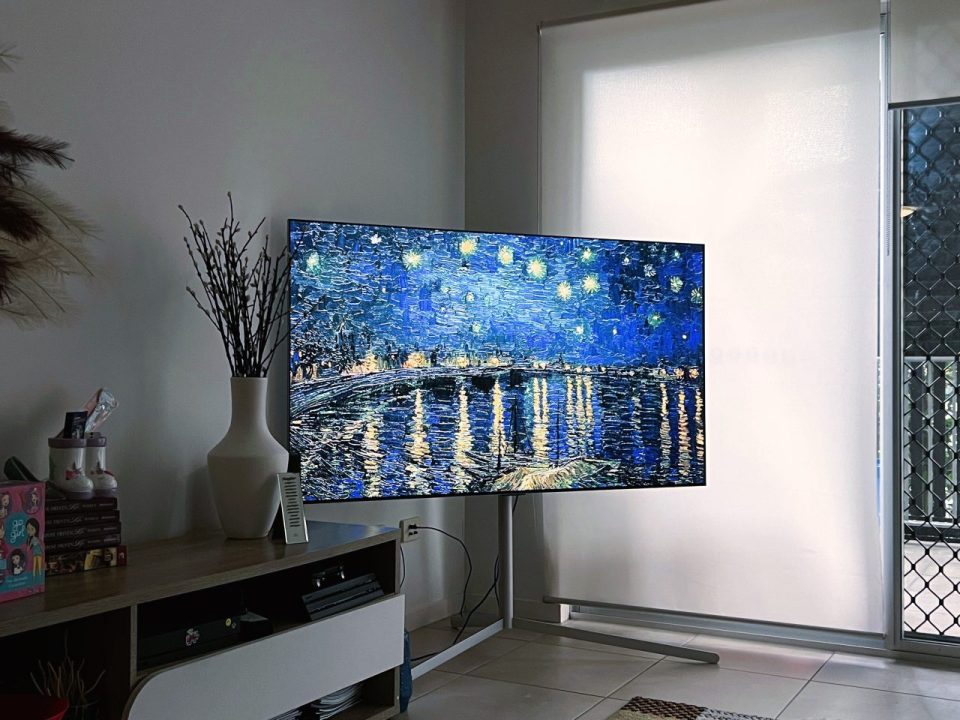


As I stepped into the world of home entertainment, I couldn’t help but notice the latest trend that’s been making waves – the art TV category. And now, LG has officially thrown its hat into the ring with the Gallery TV, a sleek and sophisticated offering that promises to revolutionize the way we experience art and entertainment in our living rooms. As a tech-savvy reporter, I was excited to dive deeper into this innovative product and explore its features, capabilities, and what sets it apart from the competition. In this article, we’ll delve into the world of art TVs, LG’s foray into this category, and what the future holds for this exciting technology.
Introduction to Art TVs
The concept of art TVs is not new, but it has gained significant traction in recent years. These devices are designed to showcase stunning visuals, often in the form of digital art, and can be used to enhance the aesthetic of a room. They typically feature high-resolution displays, sleek designs, and a range of connectivity options. Art TVs are not just limited to displaying art; they can also be used to showcase photos, videos, and even live streams. With the rise of digital art and the increasing popularity of smart home devices, it’s no surprise that major manufacturers like LG are entering this market.
One of the key drivers of the art TV category is the growing demand for unique and innovative ways to experience art and entertainment. As digital art becomes more mainstream, consumers are looking for new and exciting ways to engage with it. Art TVs offer a unique solution, providing a dedicated platform for showcasing digital art and other visual content. With the ability to connect to the internet and stream content from various sources, art TVs are poised to revolutionize the way we experience art and entertainment in our homes.
From a technical perspective, art TVs require a range of advanced technologies, including high-resolution displays, high-speed processors, and advanced connectivity options. They must also be designed with aesthetics in mind, featuring sleek and sophisticated designs that complement a range of interior decor styles. As we’ll explore in more detail later, LG’s Gallery TV is a prime example of an art TV that checks all these boxes.
LG’s Entry into the Art TV Category
LG’s decision to enter the art TV category is a significant one, marking a major expansion of the company’s product lineup. The Gallery TV is a stunning device that features a 4K resolution display, a wide color gamut, and a range of advanced connectivity options, including Wi-Fi and Bluetooth. The device is designed to be a statement piece, with a sleek and minimalist design that complements a range of interior decor styles. With its advanced features and sleek design, the Gallery TV is poised to make a major impact in the art TV category.
One of the key features of the Gallery TV is its ability to showcase a range of digital art and other visual content. The device comes with a range of pre-installed art pieces, and users can also upload their own content via the internet or using a USB drive. The Gallery TV also features a range of advanced display technologies, including HDR10 and HDR10 Pro, which provide stunning color and contrast. With its advanced display capabilities and sleek design, the Gallery TV is an ideal solution for anyone looking to experience art and entertainment in a new and innovative way.
LG’s entry into the art TV category is also significant because it marks a major expansion of the company’s presence in the smart home market. The Gallery TV is designed to integrate seamlessly with other smart devices, including smart speakers and smart thermostats. This means that users can control their Gallery TV using voice commands or using a smartphone app, making it easy to access and enjoy a range of digital art and other visual content.
Technical Specifications and Features
From a technical perspective, the Gallery TV is a highly advanced device that features a range of cutting-edge technologies. The device is powered by a quad-core processor, which provides fast and efficient performance. It also features 4GB of RAM and 64GB of storage, which provides ample space for storing digital art and other visual content. The Gallery TV also features a range of advanced display technologies, including OLED and NanoCell, which provide stunning color and contrast.
In terms of connectivity, the Gallery TV features a range of advanced options, including Wi-Fi 6 and Bluetooth 5.0. The device also features a range of ports, including HDMI and USB, which provide easy access to a range of external devices. With its advanced connectivity options and sleek design, the Gallery TV is an ideal solution for anyone looking to experience art and entertainment in a new and innovative way.
As we continue to explore the features and capabilities of the Gallery TV, it’s clear that LG has made a major commitment to the art TV category. With its advanced technologies, sleek design, and range of innovative features, the Gallery TV is poised to make a major impact in this market. But what does the future hold for this exciting technology, and how will it evolve in the coming years? We’ll continue to explore these questions and more in the next part of this article, as we delve deeper into the world of art TVs and the innovative solutions that are driving this market forward.
Technical Specifications and Features of the LG Gallery TV
The LG Gallery TV is a 65-inch OLED display that boasts a range of impressive technical specifications and features. With a resolution of 3840 x 2160 pixels, this TV offers stunning visuals and vibrant colors. The device is powered by LG’s α (Alpha) 9 Gen 4 processor, which provides fast processing speeds and seamless navigation. The Gallery TV also features a range of connectivity options, including Wi-Fi, Bluetooth, and HDMI ports, making it easy to connect to various devices and stream content from different sources.
In terms of design, the LG Gallery TV is a sleek and sophisticated device that is sure to complement any home decor. The TV features a slim profile and a minimalist design, with a focus on clean lines and simple aesthetics. The device also comes with a range of mounting options, including a wall mount and a floor stand, making it easy to install and position in any room. With its stunning visuals, advanced features, and sleek design, the LG Gallery TV is an excellent addition to the art TV category.
One of the key features of the LG Gallery TV is its ability to display a range of digital art and content. The device comes with a range of pre-installed art pieces and collections, including works by famous artists and photographers. Users can also upload their own digital art and photos to the TV, making it a unique and personalized platform for showcasing their favorite pieces. With its advanced display technology and sleek design, the LG Gallery TV is an excellent way to experience and enjoy digital art in the comfort of your own home.
Comparison with Other Art TVs in the Market
The art TV category is becoming increasingly crowded, with a range of manufacturers entering the market. Some of the key competitors to the LG Gallery TV include the Samsung Frame TV and the Sony Master Series. While these devices offer similar features and functionalities, the LG Gallery TV stands out for its stunning OLED display and advanced α (Alpha) 9 Gen 4 processor. For more on this topic, see: Google Photos Hits Samsung TVs .
A comparison of the technical specifications of these devices reveals some interesting differences. For example, the Samsung Frame TV features a QLED display, while the Sony Master Series uses an LCD panel. The LG Gallery TV, on the other hand, boasts an OLED display, which offers better contrast and color accuracy. The following table provides a comparison of the key technical specifications of these devices:
| Device | Display Type | Resolution | Processor |
|---|---|---|---|
| LG Gallery TV | OLED | 3840 x 2160 | α (Alpha) 9 Gen 4 |
| Samsung Frame TV | QLED | 3840 x 2160 | Quantum Processor 4K |
| Sony Master Series | LCD | 3840 x 2160 | X1 Ultimate Processor |
As can be seen from the table, the LG Gallery TV offers a range of advanced features and technical specifications that set it apart from the competition. With its stunning OLED display, advanced processor, and sleek design, the LG Gallery TV is an excellent choice for anyone looking to experience the best of digital art and entertainment in their home.
Future of Art TVs and Digital Art
The art TV category is rapidly evolving, with new devices and technologies emerging all the time. One of the key trends in this space is the increasing use of artificial intelligence (AI) and machine learning (ML) to create and display digital art. For example, AI-powered algorithms can be used to generate new art pieces based on user preferences and styles. This technology is still in its infancy, but it has the potential to revolutionize the way we experience and interact with digital art.
Another trend in the art TV category is the growing demand for more interactive and immersive experiences. This can include features such as voice control, gesture recognition, and augmented reality (AR) capabilities. The LG Gallery TV, for example, comes with a range of interactive features, including voice control through the LG ThinQ app and support for AR content. As the art TV category continues to evolve, we can expect to see even more innovative and interactive features emerge.
For more information on the LG Gallery TV and the art TV category, visit the LG website or check out the Wikipedia page on digital art. The Samsung website also provides more information on the Frame TV, a key competitor to the LG Gallery TV.
In my opinion, the LG Gallery TV is a game-changer in the art TV category, offering a unique combination of stunning visuals, advanced features, and sleek design. As the art TV category continues to evolve, I expect to see even more innovative devices and technologies emerge. With the growing demand for digital art and interactive experiences, the future of the art TV category looks bright. The LG Gallery TV is an excellent example of what can be achieved when technology and art come together, and I have no doubt that it will be a major player in this space for years to come.