
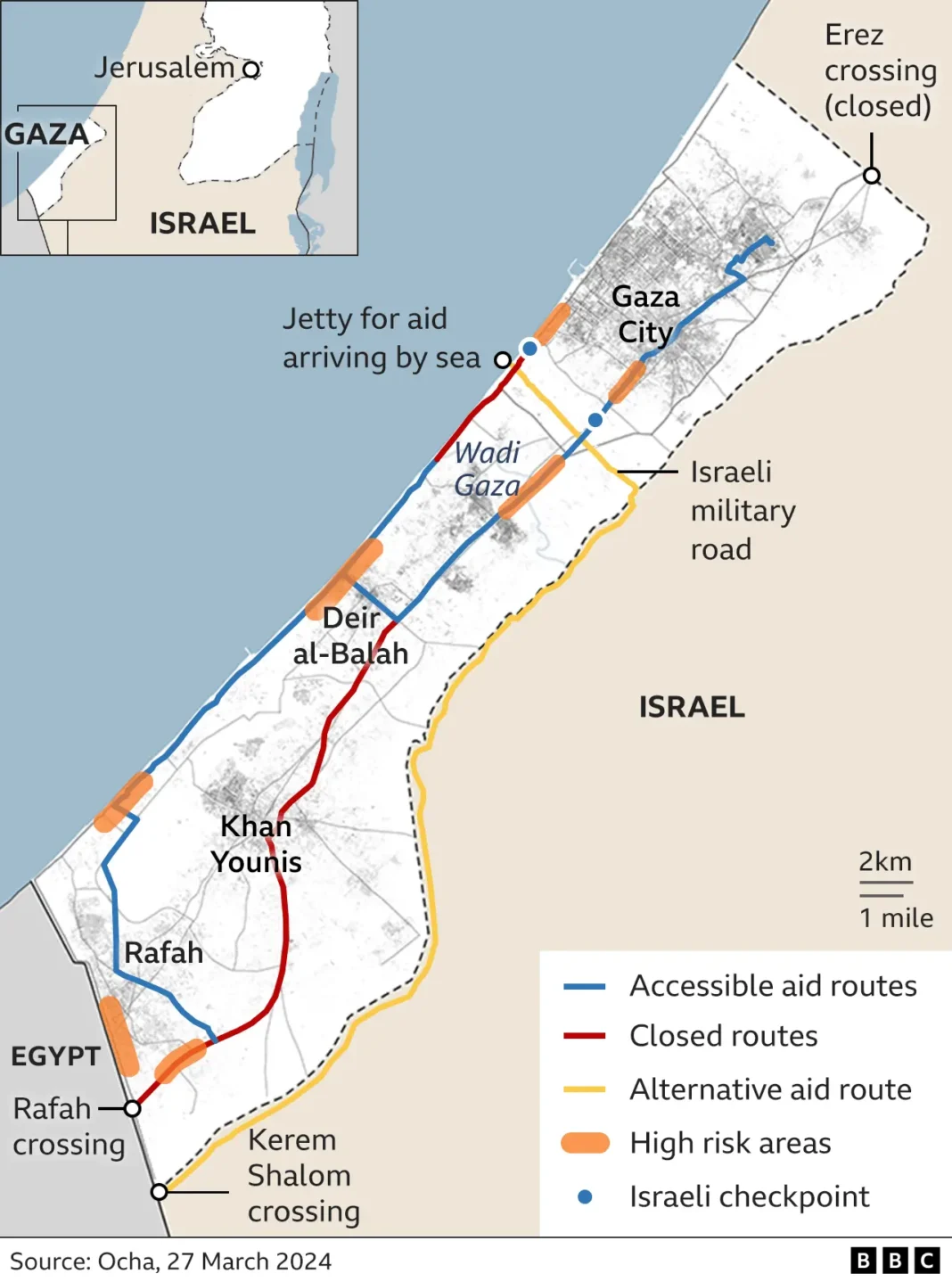


The Israeli government’s decision to shut down several aid groups operating in Gaza has sparked widespread concern among humanitarian organizations and human rights advocates. The move comes amid warnings of a deepening crisis in the region, where millions of Palestinians are already facing dire living conditions. As a tech-savvy reporter, I’ll delve into the details of this development and explore its implications for the people of Gaza and the broader humanitarian community.
The Crackdown on Aid Groups
The Israeli government has announced plans to shut down six aid groups operating in Gaza, citing allegations of ties to terrorist organizations. The groups in question, including the Palestinian Red Crescent Society and the Union of Health Work Committees, have been providing essential humanitarian services to the people of Gaza, including medical care, food, and shelter. Critics argue that the Israeli government’s move is a thinly veiled attempt to strangle the Gaza economy and exacerbate the humanitarian crisis.
According to sources, the Israeli government has been investigating the aid groups for alleged ties to HAMAS, a Palestinian Islamist organization that has been designated as a terrorist group by several countries, including the United States and Israel. However, many of the aid groups have denied any wrongdoing, and some have accused Israel of using the allegations as a pretext to restrict humanitarian access to Gaza.
The shutdown of these aid groups is likely to have far-reaching consequences for the people of Gaza, who are already struggling to access basic necessities like food, water, and medical care. The United Nations has warned that the situation in Gaza is on the brink of collapse, with widespread poverty, unemployment, and a crippled infrastructure.
The Humanitarian Crisis in Gaza
Gaza has been facing a severe humanitarian crisis for years, with a crippling blockade imposed by Israel and Egypt restricting the flow of goods and people in and out of the territory. The situation has been further exacerbated by repeated conflicts between Israel and HAMAS, which have left the region’s infrastructure in ruins. The aid groups that are being shut down have been playing a critical role in providing humanitarian services to the people of Gaza, including medical care, food, and shelter.
The World Health Organization (WHO) has warned that the healthcare system in Gaza is on the verge of collapse, with a severe shortage of medical supplies, equipment, and personnel. The shutdown of aid groups like the Union of Health Work Committees is likely to further exacerbate this crisis, leaving thousands of people without access to essential medical care.
The international community has been sounding the alarm on the crisis in Gaza, with the United Nations Office for the Coordination of Humanitarian Affairs (OCHA) warning that the situation is “deteriorating rapidly.” The shutdown of aid groups is likely to further strain relations between Israel and the international community, which has been calling for increased humanitarian access to Gaza.
Implications and Reactions
The Israeli government’s decision to shut down aid groups in Gaza has sparked widespread condemnation from human rights organizations and humanitarian groups. Many have accused Israel of using the allegations of ties to terrorist organizations as a pretext to restrict humanitarian access to Gaza. The move is also likely to further strain relations between Israel and the international community, which has been calling for increased humanitarian access to Gaza.
As the situation in Gaza continues to deteriorate, it’s clear that the shutdown of aid groups will have far-reaching consequences for the people of Gaza and the broader humanitarian community. In the next part of this article, we’ll explore the potential implications of this development and examine the responses from the international community. The European Union and other key stakeholders are likely to play a crucial role in shaping the outcome, and we’ll examine their reactions and potential next steps.
The Impact on Gaza’s Healthcare System
The shutdown of aid groups operating in Gaza is likely to have a devastating impact on the region’s already strained healthcare system. The World Health Organization (WHO) has reported that Gaza’s healthcare infrastructure is on the verge of collapse, with many hospitals and clinics facing severe shortages of medical supplies, staff, and equipment. The aid groups that are being shut down have been providing critical medical care, including emergency response services, maternal and child health programs, and treatment for patients with chronic diseases.
According to a report by the United Nations Office for the Coordination of Humanitarian Affairs (OCHA), the shutdown of these aid groups will leave thousands of patients without access to essential medical care. The report also notes that the Israeli government’s restrictions on humanitarian access to Gaza have already led to a significant decline in the delivery of medical supplies and equipment. This has resulted in a sharp increase in mortality rates, particularly among vulnerable populations such as children, pregnant women, and the elderly.
| Healthcare Indicator | Gaza (2022) | West Bank (2022) |
|---|---|---|
| Number of Hospitals | 13 | 34 |
| Number of Medical Staff | 1,500 | 6,000 |
| Bed Capacity per 1,000 population | 1.2 | 2.5 |
The Role of International Organizations
The international community has expressed deep concern over the Israeli government’s decision to shut down aid groups operating in Gaza. The European Union (EU) has called on Israel to reconsider its decision, citing the critical role that these aid groups play in providing humanitarian assistance to the people of Gaza. The United States has also expressed concern, with a State Department spokesperson urging Israel to ensure that humanitarian organizations are able to operate freely in Gaza.
International organizations, including the United Nations Relief and Works Agency for Palestine Refugees in the Near East (UNRWA), have been providing critical assistance to the people of Gaza for decades. These organizations have been working to address the root causes of the humanitarian crisis in Gaza, including poverty, unemployment, and a lack of access to basic services like healthcare and education.
The Long-Term Consequences
The shutdown of aid groups operating in Gaza is likely to have long-term consequences for the people of Gaza and the broader region. The International Monetary Fund (IMF) has warned that the humanitarian crisis in Gaza is likely to have a significant impact on the regional economy, with potential spillover effects into neighboring countries. The shutdown of aid groups will also undermine efforts to promote peace and stability in the region, as humanitarian assistance is often a critical component of peacebuilding and conflict resolution efforts. For more on this topic, see: Measles Outbreak Alert at Newark .
According to a report by the United Nations Office for the Coordination of Humanitarian Affairs (OCHA), the Israeli government’s restrictions on humanitarian access to Gaza have already led to a significant decline in economic activity, with widespread poverty and unemployment. The report notes that the long-term consequences of the humanitarian crisis in Gaza will be severe, with potential impacts on regional stability and security.
For more information on the crisis in Gaza, readers can visit the United Nations Relief and Works Agency for Palestine Refugees in the Near East (UNRWA) or the World Health Organization (WHO) websites.
The Israeli government’s decision to shut down aid groups operating in Gaza is a deeply concerning development that is likely to have severe consequences for the people of Gaza and the broader humanitarian community. As a tech-savvy reporter, I believe that it is essential to shine a light on this crisis and to hold decision-makers accountable for their actions. The international community must act quickly to address the humanitarian crisis in Gaza, including by pressing Israel to reconsider its decision to shut down aid groups operating in the region. Ultimately, the people of Gaza deserve access to essential humanitarian services, including medical care, food, and shelter. It is our collective responsibility to ensure that they receive the assistance they need to survive and thrive.