
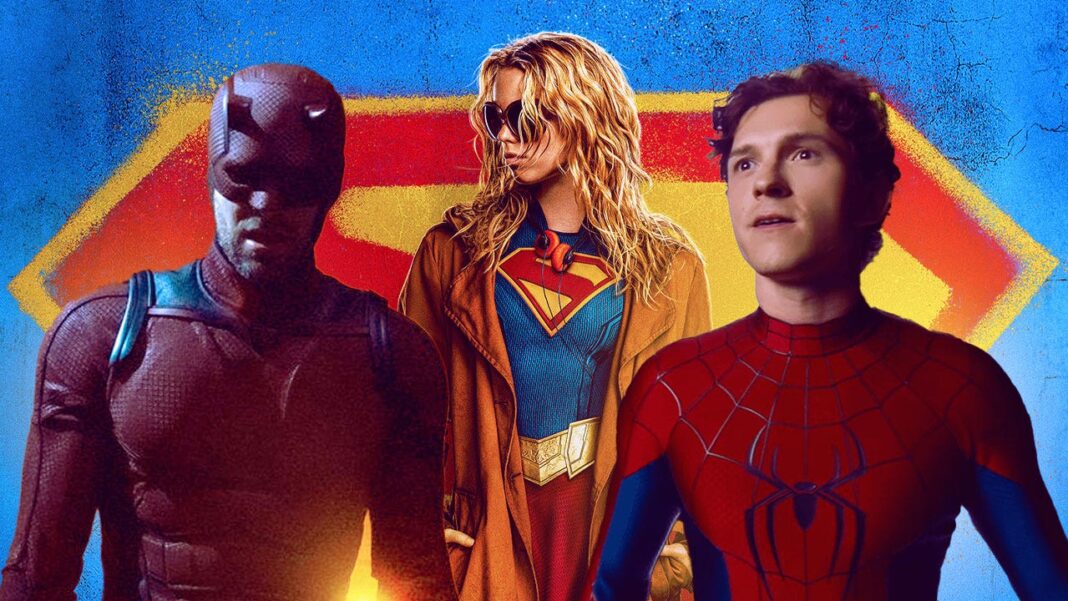


The Marvel Cinematic Universe (MCU) has been the driving force behind the success of superhero movies for over a decade, but the franchise is facing a major crisis. After a string of underwhelming releases in 2025, the stage is set for a make-or-break year in 2026, with the highly anticipated Avengers: Doomsday poised to be the ultimate test of Marvel’s remaining muscle. Can this epic conclusion to the current MCU saga save the franchise from its current slump, or will it be too little, too late?
The MCU’s Slump: A Year of Disappointment
The MCU’s 2025 was marked by three theatrical releases that failed to live up to Disney’s lofty expectations. Two of these releases were considered borderline catastrophes, leaving the franchise in a precarious position. The disappointing box office numbers and lukewarm reception from fans and critics alike have raised concerns about the franchise’s long-term viability. The MCU’s dominance was once a given, but the current landscape suggests that the franchise is facing a significant challenge in maintaining its audience’s attention.
The reasons behind the MCU’s slump are complex and multifaceted. Some have pointed to the over-saturation of the market, with too many superhero movies and shows competing for viewers’ attention. Others have suggested that the franchise has become stale, relying on familiar tropes and characters rather than innovating and taking risks. Whatever the cause, the MCU’s struggles have significant implications for the future of superhero cinema.
The Pressure is On: Avengers: Doomsday
Avengers: Doomsday is being touted as the MCU’s last stand, a massive blockbuster that will determine the franchise’s future. The film’s ambitious scope and star-studded cast have generated significant buzz, but the pressure is on for the movie to deliver. With the MCU’s reputation on the line, Avengers: Doomsday needs to be a resounding success, both critically and commercially. The film’s success will not only be crucial for the MCU’s survival but also for the broader superhero genre, which is facing its own set of challenges.
The stakes are high, and the expectations are enormous. Can Avengers: Doomsday reverse the MCU’s fortunes and restore the franchise’s former glory? The film’s trailer has hinted at a epic showdown, with the fate of the universe hanging in the balance. With the MCU’s future hanging precariously in the balance, Avengers: Doomsday is a make-or-break moment that will determine the course of the franchise’s history.
2026: A New Era for Superhero Cinema?

The release of Avengers: Doomsday in 2026 marks a significant turning point for the MCU and the broader superhero genre. The film’s success or failure will have far-reaching consequences, shaping the future of comic book movies and TV shows. As the industry looks to 2026 as a potential reset, the question on everyone’s mind is: can Avengers: Doomsday be the catalyst for a new era of superhero cinema, or will it be a swan song for a franchise that’s lost its way? The anticipation is building, and the world is watching as the MCU prepares to make its last stand. With the post-post-pandemic era coming to a close, 2026 is poised to be a pivotal year for the entertainment industry, and Avengers: Doomsday is at the forefront of this shift.
As we count down to the release of Avengers: Doomsday, the industry is holding its breath. Will the film be the MCU’s salvation, or will it be too little, too late? The fate of the franchise hangs in the balance, and the world is waiting with bated breath to find out. Stay tuned for our follow-up analysis, where we’ll dive deeper into the implications of Avengers: Doomsday‘s success or failure, and what it means for the future of the MCU and superhero cinema as a whole.
Rebuilding the MCU: Can Avengers: Doomsday Chart a New Course?
The stakes are high for Avengers: Doomsday, but the film also presents an opportunity for Marvel to rebrand and refresh the MCU. By introducing new characters and storylines, the franchise can potentially attract a new audience and reinvigorate existing fans. The key to success lies in striking a balance between nostalgia and innovation, allowing the franchise to evolve while still honoring its heritage.
One potential strategy for the MCU is to expand its scope and explore different genres within the superhero umbrella. By venturing into new territories, such as horror or comedy, Marvel can attract a broader audience and create a more diverse range of stories. This approach has been successful for other franchises, such as the DC Extended Universe, which has seen success with films like Joker. For more information on the DC Extended Universe, visit the Marvel Studios website. The release dates and details for Phase 6 can be found on the IMDb page.
A New Era for Superhero Cinema
The fate of the MCU is closely tied to the broader landscape of superhero cinema. The success or failure of Avengers: Doomsday will have implications for the entire genre, influencing the types of stories that get told and the ways in which they are presented. As the industry continues to evolve, it is clear that the MCU’s response to its current challenges will be closely watched and have far-reaching consequences.
The year 2026 is considered a “make-or-break” year for superhero media, and Avengers: Doomsday is at the forefront of this critical moment. As the film hurtles towards its release, the anticipation is building, and the stakes are higher than ever. Will Avengers: Doomsday be the MCU’s salvation, or will it be too little, too late? Only time will tell, but one thing is certain: the future of superhero cinema hangs in the balance.