
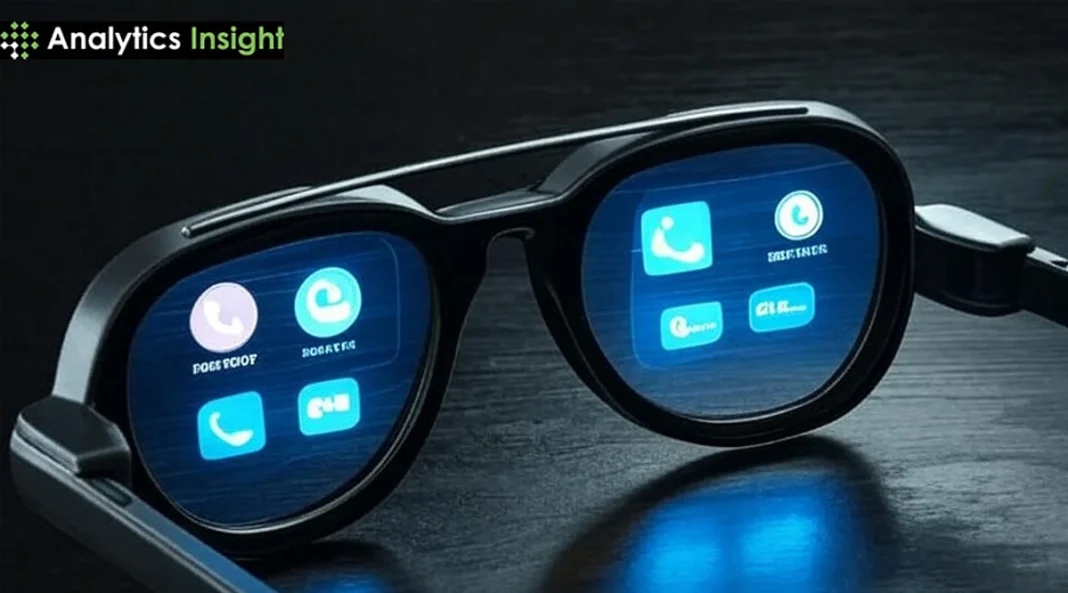


Google is poised to revolutionize the wearable tech landscape with its upcoming Android XR glasses, slated for launch in 2026. As the tech giant re-enters the smart glasses space, it’s clear that the initial version will be a game-changer – a screen-less design that’s set to redefine the way we interact with our surroundings. With the potential to become another essential computing device alongside our phones and watches, the Android XR glasses are generating significant buzz. Let’s dive into the details of what’s expected from this innovative technology.
The Evolution of Smart Glasses: Android XR Glasses Take Center Stage
The concept of smart glasses has been around for a while, but Google’s Android XR glasses are expected to take the technology to the next level. By ditching the traditional screen, Google is aiming to create a more discreet and wearable device that’s designed to be worn all the time. This screen-less design is a significant departure from the usual smart glasses we’ve seen so far, and it’s expected to appeal to a wider audience. According to sources, a version featuring a single monocular display will follow soon after the initial launch, offering users a more traditional smart glasses experience.
The decision to launch a screen-less version first is likely a strategic move by Google to test the waters and gauge user feedback. By doing so, the company can refine its technology and make necessary adjustments before introducing a more complex display-based design. This approach also allows Google to establish a strong foundation for its Android XR glasses ecosystem, paving the way for future innovations.
Seamless Integration: Android XR Glasses and the Android Ecosystem
One of the key factors that will contribute to the success of Android XR glasses is their seamless integration with the Android ecosystem. As Google’s own operating system, Android will play a crucial role in ensuring that the XR glasses work in harmony with other Android devices. This means that users will be able to enjoy a cohesive experience across their smartphones, watches, and XR glasses, making it easier to share data, receive notifications, and access various apps. With Samsung’s hardware reach also on board, the Android XR glasses are expected to have widespread appeal, making them a compelling option for users invested in the Android ecosystem.
The integration with Android phones will also enable features like voice commands and gesture controls, allowing users to interact with their XR glasses in a more intuitive way. This will be particularly useful for tasks like sending messages, making calls, or accessing information on the go. By leveraging the strengths of the Android ecosystem, Google is poised to create a truly immersive experience that will redefine the way we interact with technology.
Replacing Traditional Eyeglasses: The Ambition Behind Android XR Glasses
Google’s ambition with Android XR glasses goes beyond just creating another wearable device – the company aims to replace traditional eyeglasses with its innovative technology. By designing the XR glasses to be worn all the time, Google is targeting a broader audience that includes people who wear prescription glasses. This is a bold move, but one that could pay off if the company can deliver a product that’s both functional and fashionable. With the potential to disrupt the eyewear industry, the Android XR glasses are generating significant interest among tech enthusiasts and industry insiders alike.
As we await the launch of Android XR glasses in 2026, it’s clear that Google is pushing the boundaries of what’s possible with wearable technology. With its screen-less design, seamless integration with Android, and ambitious goals, the XR glasses are poised to make a significant impact on the tech landscape. As the launch date approaches, we’ll likely see more details emerge about the features, pricing, and availability of the Android XR glasses – stay tuned for more updates on this exciting development. For more on this topic, see: Google’s Android XR Glasses Set .
Under the Hood: Technical Specifications and Capabilities
While Google has kept the technical specifications of Android XR glasses under wraps, industry insiders have revealed some exciting details. The screen-less design is expected to feature advanced audio capabilities, including spatial audio and voice commands, allowing users to interact with their surroundings in a more immersive way. Additionally, the glasses are rumored to be powered by a custom-designed Google Tensor processor, which will enable seamless performance, efficient battery life, and robust AI-driven features.
According to a report by Wikipedia, Google Tensor is a system-on-chip (SoC) designed by Google, which has been used in various Pixel devices. Its application in Android XR glasses is expected to bring significant performance and power efficiency improvements. Furthermore, the glasses are likely to feature advanced eye-tracking technology, allowing for intuitive control and interaction with virtual objects.
Ecosystem Expansion: Android XR Glasses and the Future of Wearable Tech
The launch of Android XR glasses is expected to have a profound impact on the wearable tech landscape. With the ability to seamlessly integrate with Android phones, Samsung’s hardware, and other devices, Google’s smart glasses are poised to become a central hub for users’ digital lives. According to a report by Statista, the global smart glasses market is expected to reach 13.8 million units by 2025, with Android XR glasses likely to capture a significant share of this market.
| Device | Display Type | Release Year |
|---|---|---|
| Google Glass | Monocular display | 2014 |
| Android XR Glasses (initial version) | Screen-less | 2026 |
| Android XR Glasses (monocular display version) | Monocular display | 2026 (soon after initial launch) |
Challenges and Opportunities: The Road Ahead for Android XR Glasses
While Android XR glasses hold tremendous promise, there are several challenges that Google must address. One of the primary concerns is user adoption, as users may be hesitant to adopt a new, screen-less interface. Additionally, privacy and security will be critical considerations, as Android XR glasses will have access to sensitive user data. However, if Google can successfully navigate these challenges, the opportunities for Android XR glasses are vast. With the potential to revolutionize the way we interact with our surroundings, Android XR glasses could become an essential tool for various industries, including healthcare, education, and entertainment. For more on this topic, see: Star-Studded NYE Bash: Mariah Carey, .
For more information on Android XR glasses and their potential applications, visit the official Google Developers website or Samsung’s website to learn about their role in the Android ecosystem.
From my perspective, the launch of Android XR glasses in 2026 marks a significant milestone in the evolution of wearable tech. With its innovative screen-less design, seamless integration with the Android ecosystem, and robust technical capabilities, Google’s smart glasses are poised to make a lasting impact. As the tech industry continues to push the boundaries of what’s possible, one thing is clear: the future of wearable tech has never looked brighter. For more on this topic, see: UK Crypto Users Must Now .