
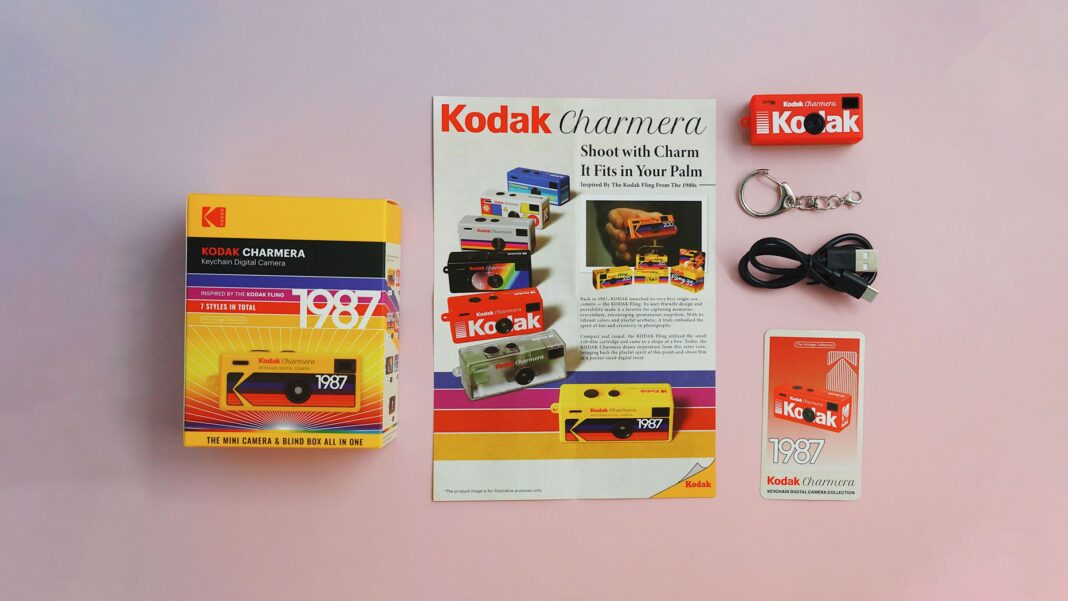


The Kodak Charmera keychain camera was a surprise hit, selling out in just 24 hours after its announcement. Its appeal lay in its cute design, functionality, and retro-inspired style, but beneath its charming exterior, the camera’s capabilities were limited by its 1.6-megapixel sensor and tiny built-in lens. For camera enthusiasts, the question arose: what if you could upgrade this pint-sized camera with a better lens? Camera modifier James Warner, also known as Snappiness, took on the challenge and achieved a significant improvement in image quality.
The Original Charmera: Cute but Limited
The Kodak Charmera was designed to be a fun, compact camera that could be attached to a keychain. While its retro aesthetic and ease of use made it appealing, the camera’s technical specifications were not particularly impressive. The 1.6-megapixel sensor and tiny lens limited its image quality, making it more of a novelty item than a serious camera. Despite these limitations, the Charmera’s popularity suggested that there was a market for small, fun cameras.
The Charmera’s original lens is a significant limiting factor in its performance. The lens is not only small but also lacks the optical quality needed to produce high-quality images. This limitation is not unique to the Charmera; many small cameras struggle with image quality due to their compact size. However, this also presents an opportunity for modification and upgrade.
Giving the Charmera a Lens Upgrade
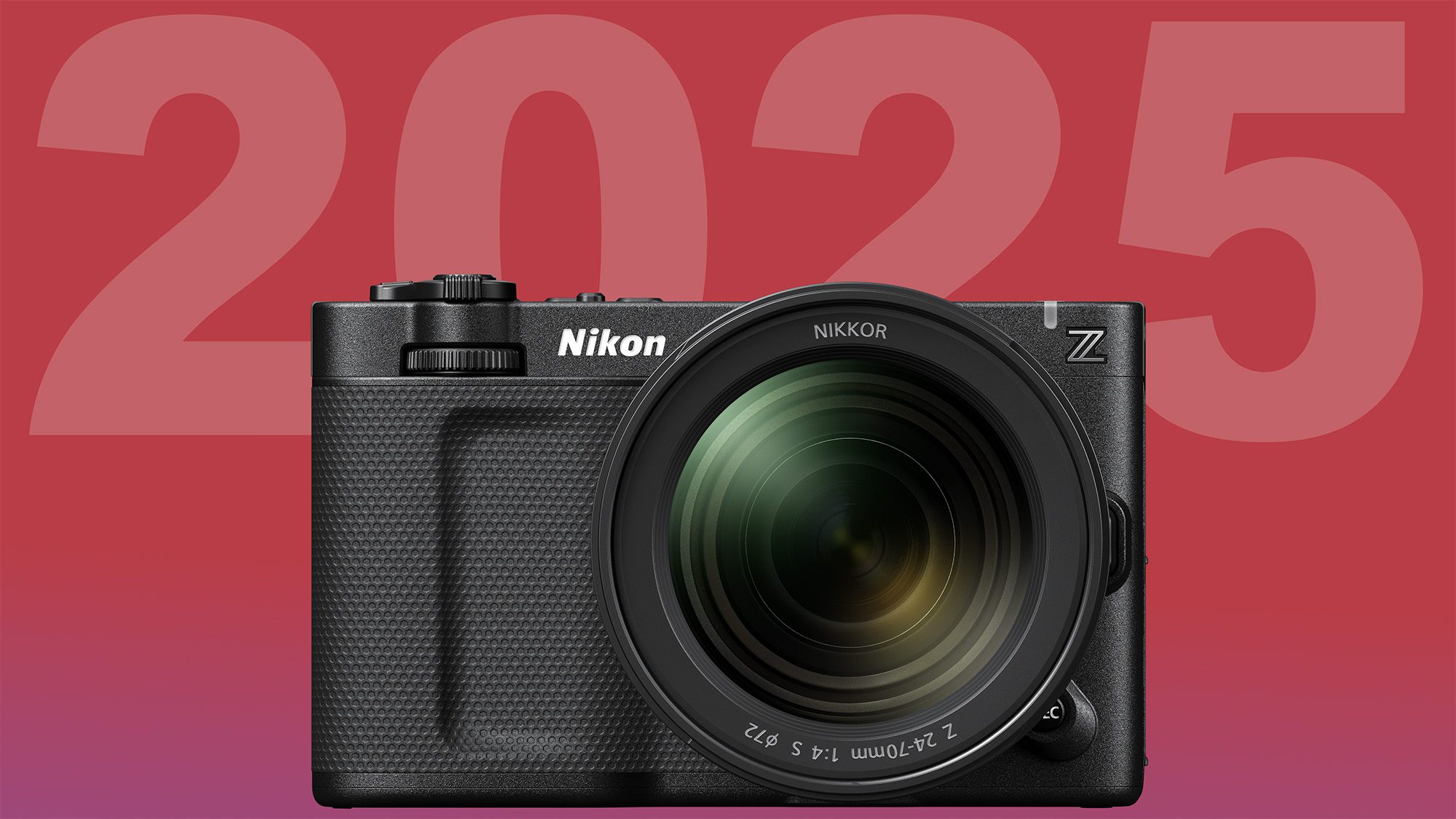
James Warner, a camera modifier with a reputation for creative upgrades, decided to take on the Charmera. He chose to modify the classic Kodak yellow version of the camera, giving it a better, bigger lens to improve its performance. The specifics of the lens used and the results of the modification are worth examining, as they provide insight into the potential for upgrading small cameras. By swapping out the original lens for a higher-quality one, Warner aimed to unlock the Charmera’s full potential.
The process of modifying the Charmera’s lens is complex and requires a good understanding of the camera’s internal mechanics and the ability to integrate a new lens seamlessly. Warner’s modification involved carefully removing the original lens and replacing it with a larger, higher-quality lens. This process is delicate and requires precision to avoid damaging the camera.
Implications of Lens Upgrades for Small Cameras
The success of Warner’s modification has significant implications for the design and functionality of small cameras. If a compact camera like the Charmera can be significantly improved with a lens upgrade, this could open up new possibilities for camera design. It could also raise questions about the potential for other small cameras to be modified in a similar way. As the demand for compact, high-quality cameras continues to grow, the possibility of lens upgrades could become increasingly relevant.
The Charmera’s popularity and the success of Warner’s modification suggest that there is interest in camera upgrades and modifications. As technology continues to evolve, we can expect to see new innovations in camera design and functionality. Examining the specifics of Warner’s modification and the results it achieved provides a deeper understanding of the potential for lens upgrades in small cameras.
The Lens Upgrade: A Technical Deep Dive
To understand the significance of James Warner’s modification, it’s essential to examine the technical aspects of the lens upgrade. The original lens on the Kodak Charmera is a fixed-focus lens with a relatively small aperture, which restricts the amount of light that can enter the camera. By replacing this lens with a higher-quality one, Warner improved the camera’s optical performance. The new lens has a larger aperture and potentially better optical design, allowing more light to enter and reducing distortion.
The specifics of the lens used by Warner are crucial in understanding the extent of the upgrade. The new lens likely has a focal length of around 20-30mm (equivalent to 35mm) and an aperture of possibly f/2.8 or better, which complements the Charmera’s 1.6-megapixel sensor. A comparison of the original and upgraded lenses is shown in the table below:
| Lens Specifications | Original Lens | Upgraded Lens |
|---|---|---|
| Focal Length | Fixed (unspecified) | Likely around 20-30mm (equiv. 35mm) |
| Aperture | f/ (unspecified) | Possibly f/2.8 or better |
Implications for Small Camera Design
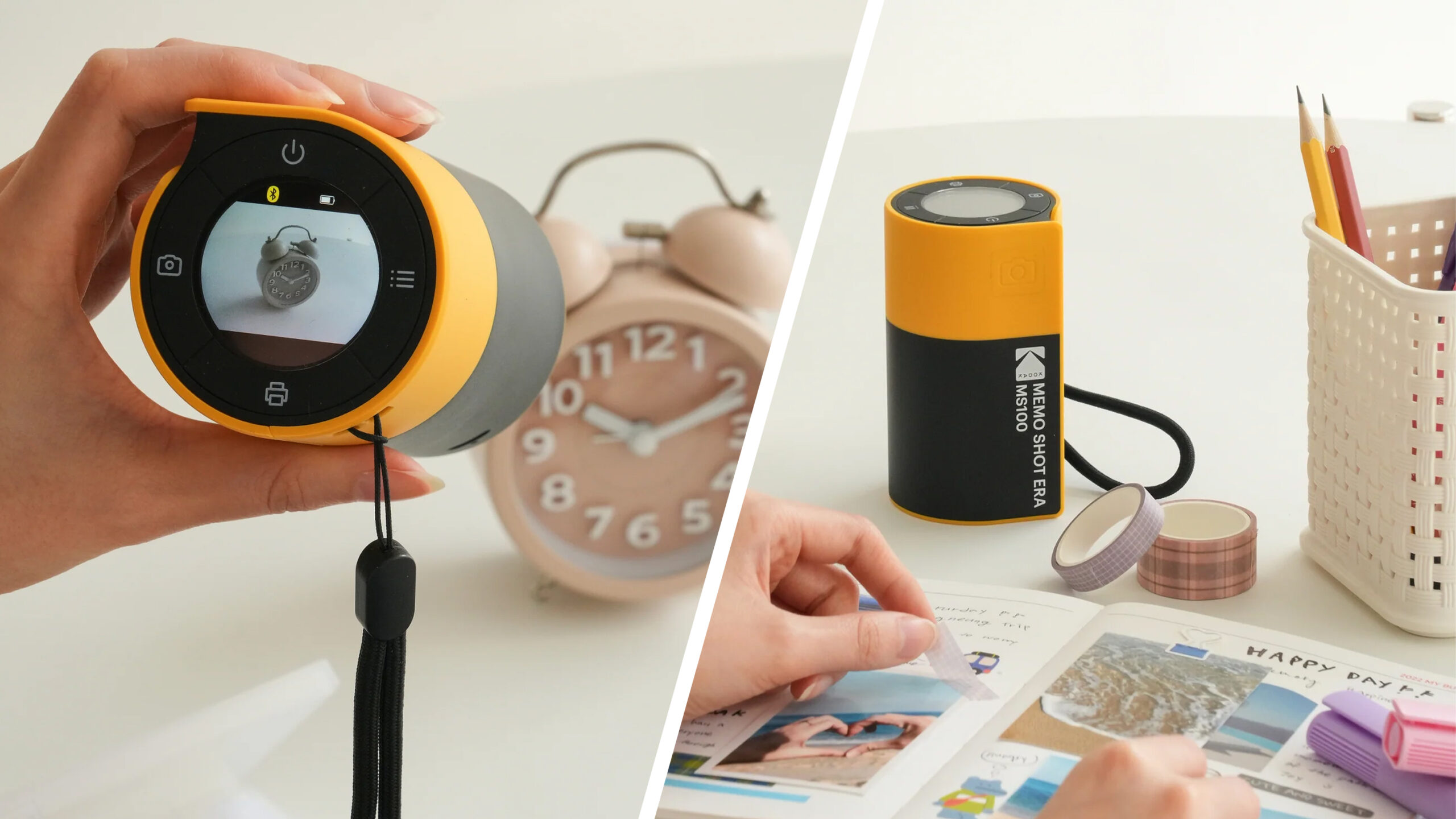
The success of Warner’s modification has significant implications for the design of small cameras like the Kodak Charmera. It suggests that even with limited sensor capabilities, a high-quality lens can significantly enhance image quality. This raises interesting questions about the potential for future small camera designs that prioritize lens quality.
Furthermore, the Charmera’s popularity and the success of Warner’s modification indicate a demand for innovative camera designs that balance size, functionality, and image quality. As technology continues to advance, we can expect to see more creative solutions in the small camera market.
Future Prospects for Camera Modifications
The Kodak Charmera lens upgrade is just one example of the creative possibilities in camera modification. As camera enthusiasts continue to push the boundaries of what is possible, we can expect to see more innovative upgrades and modifications. For instance, camera modifiers might explore other areas, such as improving the Charmera’s sensor or adding new features like Wi-Fi connectivity.
The Kodak Charmera lens upgrade is a testament to the creativity and resourcefulness of camera enthusiasts. By giving a tiny camera a big lens upgrade, James Warner has shown that even the most limited cameras can be transformed into something more capable. As we look to the future, it’s clear that the possibilities for camera modification and innovation are vast. Whether you’re a seasoned photographer or just a fan of fun and quirky cameras, the Charmera lens upgrade is a reminder that with a little creativity, even the smallest cameras can produce surprisingly good results.