



NASA is poised to achieve a historic milestone in space exploration with the confirmation of its plans to send the first crewed mission to the moon in over 50 years. The Artemis 2 mission, slated to launch as early as February 2026, will carry a crew of four astronauts on a 10-day journey around the moon. This ambitious undertaking marks a crucial step towards reestablishing a human presence on the lunar surface and paves the way for a new era of space exploration.
The Artemis 2 Mission: A Stepping Stone for Lunar Exploration
The Artemis 2 mission is a vital component of NASA’s plans to establish a permanent human presence on the moon. The mission will see four highly experienced astronauts – Reid Wiseman, Victor Glover, Christina Koch, and Jeremy Hansen – fly aboard the Orion spacecraft, launched into space using the agency’s next-generation Space Launch System (SLS) rocket. Building on the success of the uncrewed Artemis 1 launch in November 2022, which tested the Orion spacecraft and SLS rocket, the Artemis 2 mission will provide valuable insights into the performance of these critical systems in deep-space conditions.
The Artemis 2 mission is not merely about sending humans to the moon; it’s about testing the capabilities of the Orion spacecraft and SLS rocket, as well as laying the groundwork for future missions to the moon and beyond. With the ultimate goal of establishing bases for long-duration stays on the moon before astronauts venture on to Mars, the Artemis 2 mission serves as an important stepping stone in NASA’s long-term plans. By pushing the boundaries of human spaceflight, NASA aims to expand our understanding of space and drive innovation in space technology.
The Global Context: A New Era of Space Exploration

The Artemis 2 mission is set against a backdrop of intensifying global competition in space exploration. China has pledged to land its own astronauts on the lunar surface by 2030, underscoring the growing rivalry between the U.S. and China in this field. In response, NASA is driving innovation and progress, with the Artemis 2 mission serving as a testament to the agency’s commitment to staying at the forefront of space exploration. By focusing on the development of critical systems and technologies, NASA is not only racing to return to the moon but also laying the groundwork for a sustainable presence in space.
The global landscape of space exploration is characterized by increasing investment and cooperation among governments and private companies. As the Artemis 2 mission approaches, it’s clear that the next few years will be pivotal in shaping the future of space travel and exploration. With NASA’s plans to establish a permanent outpost on the moon, the agency is poised to play a leading role in this new era of space exploration, driving innovation and advancing our understanding of the lunar environment.
The Crew and Mission Objectives
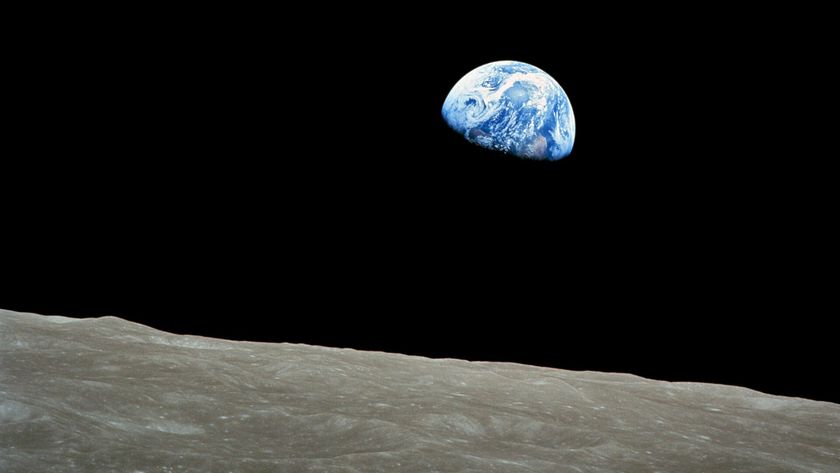
The four astronauts selected for the Artemis 2 mission bring a wealth of experience and expertise to the table. Reid Wiseman, the mission commander, has previously served as a NASA astronaut, while Victor Glover has flown on the International Space Station. Christina Koch, a veteran of a 328-day mission on the ISS, will be making her second trip to space, and Jeremy Hansen, the first Canadian astronaut to join the mission, brings his own unique set of skills and experience. Together, the crew will be tasked with testing the Orion spacecraft and SLS rocket, as well as conducting a range of scientific experiments during the mission.
As the launch date approaches, NASA is finalizing the mission objectives and preparing the crew for the challenges they will face during the mission. The Artemis 2 mission represents a significant step forward in human spaceflight, and its success will pave the way for future lunar missions and ultimately, a human presence on Mars.
The Crew of Artemis 2: Pioneers of a New Era
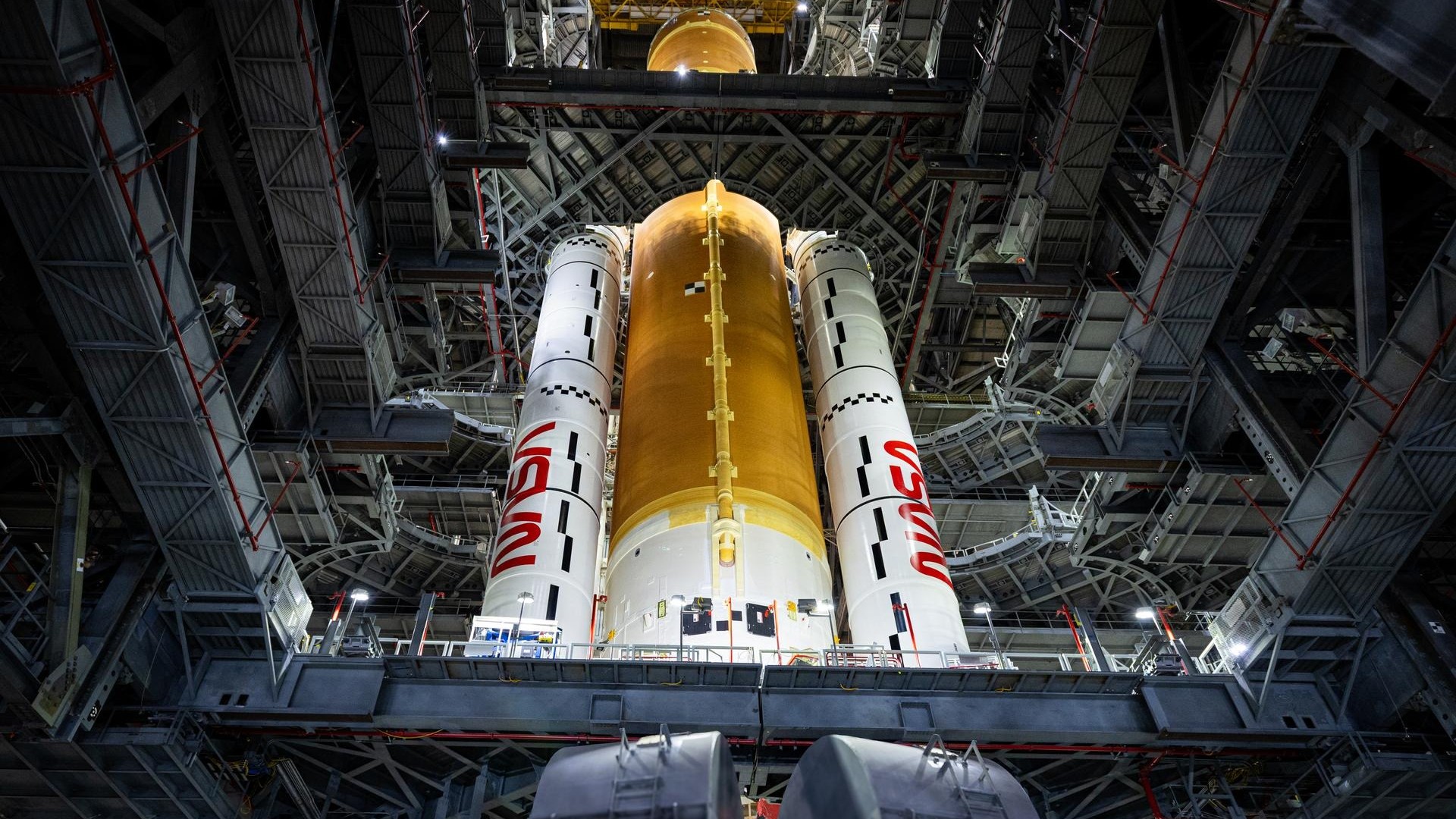
The Artemis 2 mission will be crewed by four highly experienced astronauts, each with their own unique story and contribution to the space program. Reid Wiseman, Victor Glover, Christina Koch, and Jeremy Hansen will embark on this historic journey, representing the pinnacle of human spaceflight. According to NASA, the selection of these astronauts was based on their exceptional skills, experience, and dedication to the space program.
| Astronaut | Country | Experience |
|---|---|---|
| Reid Wiseman | USA | Commander, Expedition 40 on the International Space Station |
| Victor Glover | USA | Pilot, Expedition 61 on the International Space Station |
| Christina Koch | USA | Record-holder for the longest single spaceflight by a woman (328 days) |
| Jeremy Hansen | Canada | First Canadian astronaut to fly on a lunar mission |
Overcoming Challenges: The Road to 2026
NASA has faced numerous technical and logistical hurdles in developing the SLS rocket and Orion spacecraft. However, the agency has made significant progress in recent years, with several key milestones achieved. The successful uncrewed Artemis 1 launch in November 2022 tested the Orion spacecraft and SLS rocket, paving the way for the crewed Artemis 2 mission.
One of the most significant challenges facing NASA is the development of the SLS rocket’s Booster and Core Stage. The rocket’s four RS-25 engines have been upgraded to improve performance and efficiency. Additionally, the Orion spacecraft has undergone rigorous testing to ensure its ability to withstand the harsh conditions of deep space.
A New Era of International Cooperation
The Artemis 2 mission marks a significant milestone in international cooperation in space exploration. The inclusion of Jeremy Hansen, a Canadian astronaut, on the mission highlights the growing collaboration between nations in the pursuit of space exploration. This cooperation extends beyond the Artemis 2 mission, with NASA establishing partnerships with several countries, including Canada, Japan, and the European Space Agency, to advance our understanding of space and promote peaceful uses of space exploration.
In conclusion, the Artemis 2 mission represents a significant step forward in human spaceflight and space exploration. As we approach 2026, the world will be watching with anticipation as four brave astronauts embark on a historic journey to the moon. The mission’s success will pave the way for future lunar missions and ultimately, a human presence on Mars.