


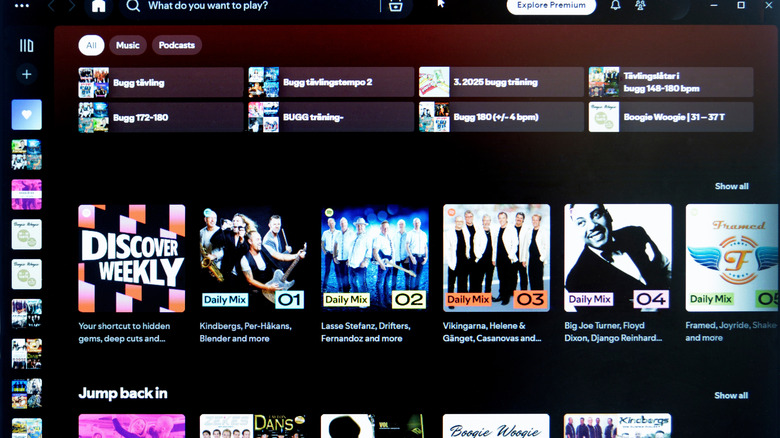
Spotify fills every corner of daily life—on phones, in cars, and even on the kitchen speaker that greets us with a morning mix. With over 500 million active users worldwide, the platform has grown from a niche service to a cultural hub where music, podcasts, and audiobooks intersect. Beneath the sleek interface and the algorithm‑driven “Discover Weekly” lies a set of uncomfortable truths that most casual listeners overlook. In the first part of this analysis we examine how Spotify’s massive scale, its free tier, and the promise of lossless audio influence the way we listen.
The Numbers Game: Hundreds of Millions and What It Means for Your Data
When a service can point to hundreds of millions of users, it becomes a data powerhouse. Every skip, every podcast episode, and every scroll through a playlist feeds an algorithm that can predict your next move with uncanny accuracy. This personalization makes discovery feel effortless, but it also means Spotify stores a detailed record of your listening habits. That data fuels targeted ads, refines recommendation engines, and informs the company’s broader market strategy.
The sheer size of the user base also gives Spotify leverage in talks with record labels and podcast creators. The platform can negotiate exclusive deals, set royalty terms, and influence which titles receive promotion. While exclusive content can feel like a win for listeners, it also concentrates power in a single service. The uncomfortable truth is that your listening patterns become part of a bargaining chip that shapes what gets released, highlighted, or even removed from the catalog.
Free vs. Premium: The Hidden Cost of the No‑Cost Plan
Spotify’s free plan attracts students and occasional listeners who balk at a monthly fee. On the surface it offers unlimited access to a massive library, but the service is ad‑supported. Every few tracks a short commercial—often tailored to your listening history—breaks the flow. Those ads generate revenue that covers infrastructure costs and, crucially, the royalties owed to artists.
The revenue split for ad‑supported streams is markedly lower than for premium subscriptions. While Spotify promotes “fair pay for artists,” a free‑tier stream typically earns a fraction of a cent for the rights holder. Users enjoy a cost‑free experience, but the model subsidizes the ecosystem with a payout structure that frequently leaves creators undercompensated. The free plan’s appeal therefore masks a broader tension between accessibility and sustainable artist income.
Lossless Audio and Platform Overload: Is It All That Glitters?
Last year Spotify introduced lossless audio—up to 24‑bit/44.1 kHz—without an extra charge. For audiophiles, the move signaled a serious step toward high‑fidelity streaming. In practice, the feature is limited to certain devices and network conditions; users with older phones, budget speakers, or restrictive data plans may never hear the promised clarity.
Beyond device constraints, the push for lossless raises strategic questions. Spotify now hosts music, podcasts, audiobooks, and live sessions under one roof. Spreading resources across these formats risks diluting the focus that originally made the service a music leader. While you might be streaming a high‑resolution track, the same algorithm could be nudging you toward a true‑crime podcast, blurring the line between intentional listening and endless content consumption.
In the next sections we’ll explore the algorithmic echo chamber, the economics of royalty payouts, and how Spotify’s global reach reshapes cultural trends. There’s more beneath the surface than a catchy playlist.
When people discuss Spotify’s “uncomfortable truths,” the conversation often stops at user numbers and data collection. Yet the platform’s business model, its lossless rollout, and its ubiquity across smart devices create ripple effects that extend far beyond the song you’re hearing. Below we examine three angles most listeners never consider—how the free tier reshapes creator economics, whether lossless matters in a streaming‑first world, and what the relentless “always‑on” mindset does to our listening habits.
The Free Tier’s Hidden Cost to Creators
Spotify’s ad‑supported plan draws casual listeners, but it also functions as a silent subsidy for the company’s bottom line. A 2023 IFPI report estimated that a free stream generates roughly US $0.003 for rights holders, compared with US $0.004–0.006 for a premium stream. Multiplied by billions of monthly plays, the difference translates into a substantial revenue gap.
| Tier | Monthly Cost (USD) | Audio Quality | Ads | Avg. Revenue per Stream (USD) |
|---|---|---|---|---|
| Free | 0.00 | Standard (96 kbps on mobile) | Audio & visual | 0.003 |
| Premium | 9.99 | Up to 320 kbps (lossy) / 24‑bit/44.1 kHz (lossless) | None | 0.004–0.006 |
| Family/Student | 5.99–4.99 | Same as Premium | None | 0.004–0.006 |
Emerging artists benefit from the exposure a free tier provides, yet the lower per‑stream payout means even a viral hit can translate into modest earnings. Many indie musicians now rely on merchandise, live shows, and direct‑to‑fan platforms such as Bandcamp to supplement streaming income—a necessity that would be less pressing under a more equitable royalty model.
Spotify defends the free tier by highlighting its role in user acquisition; the official free‑plan page notes that “free listeners convert to premium at a higher rate than any other channel.” The uncomfortable truth is that this conversion funnel rests on creators accepting lower payouts in exchange for the promise of future premium subscribers—a gamble that doesn’t always pay off for the artists who keep the ecosystem alive.
Lossless Audio: Audiophile Dream or Marketing Gimmick?
When Spotify announced lossless streaming in 2021, the headline—“24‑bit/44.1 kHz at no extra cost”—read like a love letter to audiophiles and positioned the service against high‑resolution rivals such as Tidal and Qobuz. In reality, the audible benefit for most listeners is limited.
Human hearing only captures a fraction of the frequency range that 24‑bit/44.1 kHz offers, especially when playback occurs through earbuds or car speakers that lack the fidelity to reproduce those nuances. A 2022 study by the National Institute of Standards and Technology concluded that, under typical listening conditions, the perceived difference between high‑resolution lossless and standard 320 kbps streaming is “often negligible.”
Lossless streaming also consumes significantly more data—about 1.5 GB per hour versus roughly 0.6 GB for 320 kbps. For users on limited mobile plans, the “no extra cost” promise can quickly become an unexpected bill shock. Spotify mitigates this by defaulting to standard quality unless users manually enable lossless in the settings, keeping the higher data usage out of sight.
The royalty formula Spotify publishes does not differentiate between lossless and lossy streams, but higher bitrates do increase bandwidth costs for the service. Some industry insiders view the lossless rollout as a defensive PR move—showing “we’re keeping up with the competition”—rather than a genuine upgrade for a relatively small audiophile segment.
Cross‑Platform Saturation and the ‘Always‑On’ Listening Culture
Spotify now lives on smart TVs, kitchen appliances, wearables, and virtually any internet‑connected device. That convenience turns music into a constant backdrop, but it also reshapes how we engage with sound.
A 2023 analysis by Music Business Worldwide, citing internal Spotify data, found that users who interact with more than three algorithmic playlists per day experience a 12 % drop in intentional listening—meaning they are less likely to seek out full albums or explore niche genres on their own. The “Endless Scroll” design, combined with voice‑activated assistants, encourages passive consumption: you say “Play something,” and the algorithm hands you a 30‑minute mix without requiring any decision.
Continuous low‑level music can affect concentration, mood, and even sleep patterns, according to studies from the National Center for Biotechnology Information. While some users claim a productivity boost, others report that the lack of deliberate listening moments dulls music’s emotional impact—a trade‑off rarely mentioned in promotional copy.
Spotify’s omnipresence also gives it unprecedented sway over cultural trends. Placement on a high‑profile playlist can catapult a song’s streaming numbers, influencing chart positions, radio play, and award nominations. This “playlist‑first” model favors tracks that fit the algorithm, often marginalizing artists who don’t conform to mainstream formulas.
Where Do We Go From Here?
Spotify has democratized access to a vast catalog of music, podcasts, and audiobooks, turning a world‑class library into a tap‑away service for billions. Yet the uncomfortable truths explored here—creator compensation under the free tier, the practical relevance of lossless, and the cultural effects of an always‑on listening environment—show that convenience carries hidden costs.
Looking ahead, the platform could improve transparency around royalty splits, offer tiered lossless options that balance data usage with audio quality, and design UI cues that encourage intentional listening rather than endless scrolling. Until such changes arrive, the best strategy is simple: understand the trade‑offs, support the artists you love beyond streaming, and occasionally turn off autoplay to give an entire album the attention it deserves.