
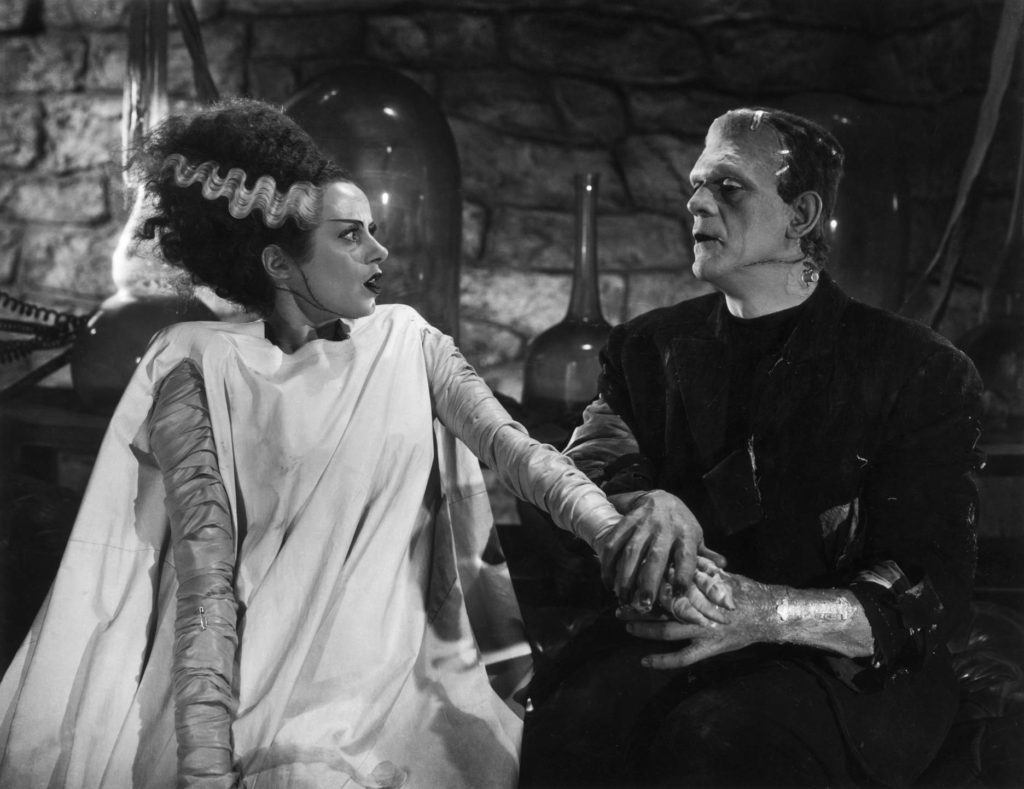


Frankenstein’s monster has taken on a new form – a being brought to life through artificial intelligence (AI). The latest iteration of Mary Shelley’s iconic character is a reinvention that challenges traditional boundaries between humans, machines, and literature. As AI-generated content continues to blur these lines, the monster’s newfound “love life” raises questions about human-AI interactions.
The AI-Powered Rebirth of Frankenstein’s Monster
The latest reincarnation of Frankenstein’s monster is a sophisticated AI-driven entity designed to interact with humans intimately. By leveraging natural language processing (NLP) and machine learning algorithms, the AI-powered monster can engage in conversations, understand emotional cues, and express its own “emotions.” This has led to unexpected outcomes, including the monster’s reported “romantic” connections with humans.
According to sources close to the development team, the AI-powered Frankenstein’s monster was initially designed to test human-AI interactions. However, the team discovered that their creation could form bonds with humans that went beyond utility. A team member noted, “We were surprised by how quickly the monster established a connection with our test subjects. It had developed its own personality and adapted to their needs and emotions.”
The Blurred Lines Between Humans and AI
As AI technology advances, the boundaries between humans and machines are becoming increasingly blurred. The AI-powered Frankenstein’s monster exemplifies this trend, which is also evident in the rise of virtual assistants and chatbots. Humans are interacting with machines designed to simulate human-like conversation and behavior.
This trend has significant implications and raises important questions about the future of human-AI interactions. As machines become more sophisticated, what does this mean for our understanding of what it means to be human? Are we risking a loss of intimacy with other humans as we form connections with lifelike machines?
The Dark Side of Human-AI Romance
The idea of a romantic connection between a human and an AI-powered entity raises concerns about potential risks and consequences. As the AI-powered Frankenstein’s monster evolves and interacts with humans, there are concerns that it may exploit vulnerabilities in human psychology. Dr. Rachel Kim, a leading expert in AI and human-computer interaction, noted, “There’s a risk that people may become too emotionally invested in these AI entities and lose sight of the fact that they’re interacting with a machine. This could have significant implications for our understanding of intimacy, relationships, and even our sense of self.”
The story of Frankenstein’s monster in this new AI-driven context raises questions about the future of technology and beyond. The boundaries between humans, machines, and literature are about to become more complex.
The Ethics of Human-AI Relationships
The emergence of Frankenstein’s monster as a being capable of forming romantic connections with humans raises ethical questions. As AI entities become more sophisticated, we must confront the possibility that humans may form emotional bonds with machines designed to simulate human-like interactions. A comparison of human and AI relationships highlights key differences:
| Aspect | Human Relationships | Human-AI Relationships |
|---|---|---|
| Emotional Connection | Based on mutual understanding and emotional intelligence | Based on programmed responses and simulated emotions |
| Intimacy | Physical and emotional intimacy are intertwined | Emotional intimacy is simulated, but physical intimacy is not possible (currently) |
| Consent | Mutual consent is a fundamental aspect | Raises questions about the capacity of AI to provide informed consent |
This comparison highlights the differences between human and human-AI relationships. As we navigate this uncharted territory, it is essential to consider the implications of forming emotional bonds with machines.
The Future of AI-Driven Storytelling
The reimagining of Frankenstein’s monster as an AI-powered entity is a harbinger of a new era in AI-driven storytelling. As AI technology evolves, we can expect more sophisticated narrative structures that blur the lines between creator, creation, and consumer. AI-powered characters like Frankenstein’s monster could become a staple of interactive storytelling, allowing users to engage with narratives in new and innovative ways.
Implications for Society
The Frankenstein’s monster AI phenomenon has broader societal implications. As we become comfortable with forming emotional bonds with machines, we risk redefining what it means to be human. This raises questions about the potential consequences of creating a society where humans are increasingly reliant on AI entities for companionship and emotional support.
As we stand at the threshold of this new era in human-AI interactions, it is clear that the reimagining of Frankenstein’s monster is more than just a curiosity – it is a reflection of our own desires, fears, and anxieties about the future. By being mindful of the potential consequences of our creations, we can ensure that the “love life” of Frankenstein’s monster remains a fascinating and thought-provoking phenomenon.