
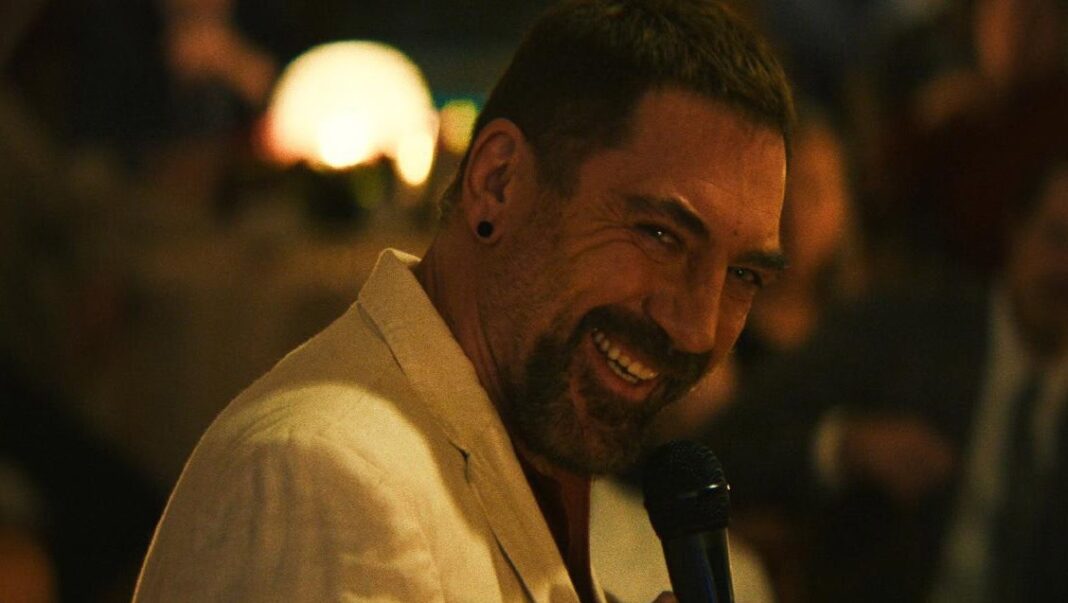


The shadows are already longer this afternoon, and they just got a whole lot darker. Universal Pictures released the first trailer for its reimagining of Cape Fear, and the ninety-second glimpse is enough to make you triple-check the deadbolt. Amy Adams—yes, the five-time Oscar nominee who usually radiates warmth like a sunlamp—steps into the frame with eyes like frostbitten steel, while Javier Bardem’s gravelly voice-over curls around the footage like smoke from a house fire. One heartbeat later, a child’s swing creaks in the dark, a family photo is sliced in half, and Robert De Niro’s iconic 1991 menace suddenly feels like a campfire story you outgrew. Welcome to 2025’s version of terror: same river, deeper water.
A New Generation of Fear
Director Pablo Trapero (The Clan) isn’t interested in a shot-for-shot resuscitation. His Cape Fear relocates the action from North Carolina’s steamy marshes to the pine-lined coast of Maine, where the Atlantic stays cold enough to shock the breath out of you. Adams plays Sarah Bowden, a criminal-defense attorney whose family becomes the target of Bardem’s newly released convict, Diego Morales. The twist—because every thriller needs one now—is that Sarah successfully argued the appeal that sprang him. Guilt is the hook; revenge is the line.
Cinematographer Natasha Braier bathes the trailer in slate blues and bruised purples, turning vacation homes into aquariums where every window feels like a TV screen someone else is watching. Quick cuts show a teenage daughter scrolling through Instagram, only to have Morales’s handle slide into her DMs with a beach photo taken seconds earlier. The modern update lands like a slap: stalking no longer requires physical proximity, just Wi-Fi and patience.
Yet the most chilling moment is almost silent—Adams standing in a grocery aisle, staring at a shelf of apples. One rolls off, falls, and splits open. She doesn’t flinch; she simply steps over it, already calculating escape routes. In that fragment, the film promises a protagonist who refuses to be a lamb, and we remember why Adams can break our hearts while scaring us senseless.
Old Ghosts, Fresh Blood
Universal has been coy about whether this is a sequel, reboot, or “spiritual sibling.” What the trailer does confirm is that the Bowden family still shares DNA with the original—there’s a dog, a teenage daughter, and a husband who teaches at the local college—but the morality has been inverted. This time, the lawyer’s complicity isn’t ambiguous; it’s the inciting incident. Bardem’s Morales isn’t merely menacing—he’s charismatic, quoting Thoreau and offering homemade empanadas to neighbors before he starts quoting their Social Security numbers back to them.
The supporting cast amplifies the unease. Glenn Close cameos as Sarah’s mentor, a retired judge whose gravel-road voice warns, “You opened the cage. Now live with what flies out.” And newcomer Isabela Merced, fresh off Sweet Tooth, plays the daughter who refuses to be a passive victim, turning the final third of the film into what insiders call “Home Alone with a body count.” Trapero’s Argentine noir roots show in the way he lingers on small betrayals—a forgotten security code, a coffee left unattended—letting dread pool like blood under a closed door.
Composer Hildur Guðnadóttir’s cello score repurposes Bernard Herrmann’s original staccato motif into something slower, almost maternal, as if the music itself is trying to lull you to sleep before it slams the closet door. The effect is disorienting; viewers at CinemaCon reportedly gasped when a lullaby morphed into the scraping sound of a prison cell gate.
Trailer by Numbers—and the One That Matters
Within three hours, the clip cleared twelve million views, eclipsing the studio’s previous record held by Fast X. TikTok reaction videos—mostly teenagers discovering Scorsese’s 1991 version for the first time—pushed #CapeFearChallenge to the top of trending, where users recreate the beach scene silhouette using phone flashlights and bedroom walls. Studios love metrics, but the number executives whisper in hallways is the 47% female skew in the analytics, a figure that suggests the film’s marketing has cracked the code on turning horror into a communal conversation about justice, motherhood, and the price of second chances.
Amy Adams, promoting Nightbitch at the Toronto International Film Festival, admitted she hadn’t seen the final trailer until it dropped: “I was in a hotel elevator, and the little screen above the buttons started playing it. I watched myself scream while strangers watched me watching myself. That’s the most meta panic attack I’ve ever had.” Her anecdote is already looping on entertainment shows, proof that even the people inside the story can’t look away.
The Psychology of Guilt
What makes this Cape Fear different is how it weaponizes conscience. Sarah Bowden isn’t just a random target—she’s the architect of her own nightmare, a detail that Adams mines with surgical precision. In the trailer’s quietest moment, we see her in court, younger, triumphant, while Bardem’s Morales watches from behind bulletproof glass. The look they exchange isn’t hatred; it’s recognition. She knows what she’s done. He knows she knows.
This dynamic flips the original’s morality play on its head. Where De Niro’s Max Cady was a bible-quoting force of nature, Bardem’s Morales operates with the patience of a man who’s had fifteen years to perfect his revenge in his head. He’s not just threatening the Bowden family—he’s holding up a mirror to Sarah’s ethical compromises, forcing her to confront every defendant she ever helped walk free. The horror isn’t just that he’s coming for them; it’s that she might deserve it.
| Original (1991) | 2025 Reimagining |
|---|---|
| Max Cady: Illiterate, seeks revenge for perceived injustice | Diego Morales: Highly intelligent, targets specific legal technicality |
| Random family targeted | Attorney who freed him |
| Physical intimidation | Psychological warfare via technology |
| Southern Gothic setting | Maine’s isolated coastline |
The Changing Face of Cinematic Terror
Horror has always reflected our collective anxieties, and this Cape Fear arrives at a moment when trust feels like a luxury we can’t afford. Where Scorsese’s version preyed on fears of the justice system failing, Trapero’s taps into something more insidious: the systems working exactly as designed. Sarah didn’t break the law—she exploited its loopholes, a distinction that feels increasingly academic when you’re being hunted.
The film’s genius lies in how it makes procedural knowledge feel dangerous. Sarah’s expertise in criminal law becomes her Achilles’ heel; she knows exactly what Morales can legally do, which makes his every permissible action more terrifying. When he legally purchases the house next door, when he befriends her daughter at a public beach, when he files restraining orders against her—these aren’t plot holes, they’re the point. The law isn’t broken; it’s breaking her.
Bardem, who could play menacing in his sleep, instead chooses something subtler. His Morales operates with the calm certainty of someone who’s memorized every page of the penal code. The threat isn’t what he’ll do—it’s what he’s allowed to do. In an era where we debate the difference between what’s legal and what’s right, the film positions its monster as the ultimate citizen: someone who uses the system better than those who supposedly protect us from it.
Maine’s Brutal Beauty
The relocation from North Carolina to Maine isn’t just cosmetic—it’s thematic. Maine’s coastline doesn’t just threaten with its beauty; it promises isolation. Those pine forests don’t just hide secrets; they swallow them. When Sarah’s family flees their home, they’re not running into the safety of civilization—they’re driving deeper into a wilderness where cell service dies and help is hours away.
Cinematographer Braier captures this beautifully in shots that make the ocean feel predatory. Waves don’t crash—they hunt. The famous scene where the family boat gets attacked isn’t just an action set-piece; it’s a reminder that Maine’s waters stay cold enough to kill you year-round. The landscape itself becomes Morales’s accomplice, a vast emptiness where screams disappear into fog and the difference between accident and murder becomes academic.
Local residents, when they appear, regard the Bowdens with the weary suspicion Mainers reserve for “from aways”—summer people who buy up coastline and complain about lobster prices. This isn’t just atmospheric detail; it explains why Sarah finds herself so alone. The community that might rally around a local family instead watches this legal eagle’s family with the cold patience of people who’ve seen this story before: rich folks bringing their problems to a place that was doing just fine without them.
The Verdict
This isn’t your father’s Cape Fear, and that’s precisely the point. Where the original warned us about monsters walking free, the remake asks a more uncomfortable question: what if the real horror isn’t the criminal we release, but the system that lets us do it? Adams and Bardem aren’t just remaking a thriller—they’re holding up a mirror to a society where justice and revenge wear each other’s clothes, and telling them apart requires a law degree and a strong stomach.
When the credits roll, you won’t just fear the Diego Moraleses of the world. You’ll fear the Sarah Bowdens too—the ones who know exactly which rules to break while staying perfectly within them. In 2025, that’s the kind of terror that keeps you awake at night, checking not your locks, but your conscience. Because in this version, the monster isn’t just at your door. He might be sleeping in your guest room, eating at your table, living in the house your legal brilliance helped him buy. And he’s not breaking the law. He’s just breaking you.