
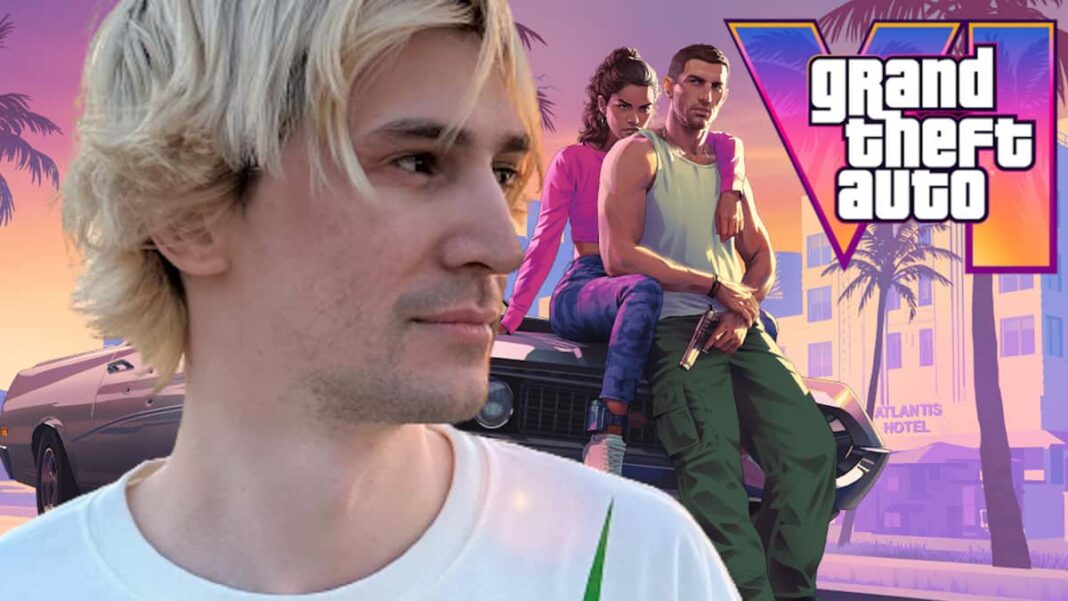


The whispers started on LinkedIn—of all places—and within hours they had ricocheted across every GTA forum on the planet. A single, now-vanished post from Ubisoft Montreal gameplay programmer Anthony Armstrong revealed that Rockstar had quietly slipped an early build of Grand Theft Auto VI to his terminally-ill family member, giving the patient a private, no-cameras-allowed preview months before the rest of us will even sniff the disc. No marketing fanfare, no pre-order countdown, no influencer reveal—just a developer’s plea and a publisher that actually said yes. In an industry that usually guards its unreleased code like state secrets, the gesture feels almost mythic: the first civilian on earth to roam Vice City 2.0 before the rest of us have even finished updating our PS5 storage.
The LinkedIn Plea That Rockstar Actually Answered
Armstrong’s original post was refreshingly blunt: his relative—he never names them, respecting their privacy—has been handed a six-to-twelve-month prognosis. Bucket-list items were being prioritized, and right near the top, just above “see the northern lights,” sat “play GTA VI.” Armstrong tagged a few industry friends, asked for contacts at Rockstar, and hit post assuming the algorithmic void would do its usual thing. Instead, within 48 hours, Rockstar’s community team slid into his DMs, NDAs were overnighted, and a courier arrived at the hospital room with a dev-kit and a handwritten note: “Thank you for being part of our world.” No streamers, no monetized reaction videos—just one player, one controller, and a curtain drawn against the outside world.
From a PR standpoint, it’s the anti-campaign: zero trailers, zero screenshots, zero engagement metrics. Yet the story has already traveled farther than most triple-A marketing rollouts. Why? Because after a year marked by mass layoffs across the industry, publishers abandoning single-player games for live-service models, and the new $70 standard for major releases, the idea that a studio can still move heaven and earth for a single fan feels like a cheat code to our collective cynicism. Rockstar isn’t commenting on the record, but insiders tell me the build was “content-complete” and running on near-final hardware. Translation: the lucky player basically got the same experience we’ll queue up for next spring, minus the day-one patch and the midnight-launch Dorito breath.
How the Community Reacted—From Tears to Theories
By the time Armstrong’s post was scrubbed—likely at Rockstar’s request—screenshots had already metastasized across Reddit’s r/GamingLeaksAndRumours. Moderators pinned a megathread, then had to lock it within hours because commenters were posting fake “I was there too” claims faster than they could ban them. The top-voted reaction? A simple “I’m not crying, you’re crying” gif that racked up 37,000 upvotes. Scroll a little further and you’ll find the inevitable sleuths: zoom-enhancers trying to read hospital-band reflections for controller button layouts, audio forensics on the heart-rate monitor beeping in the background. One particularly obsessive fan even matched the courier’s shoe in the doorway to a pair sold only to Rockstar North employees. Yes, we’re that starved for intel.
Meanwhile, content creators are stuck in an ethical pretzel. Do you chase clout off a dying wish? Twitch’s biggest GTA role-players have largely opted for radio silence, tweeting heart emojis instead of speculation. YouTube’s algorithm, however, is not so sentimental: clickbaity thumbnails screaming “GTA 6 GAMEPLAY LEAKED (TERMINAL FAN EXCLUSIVE)” are racking up millions of views, even when the actual video is just a TikTok voice-over of Armstrong’s original message. The fan’s family has asked for privacy, but the internet’s memory is longer than a hospital hallway. Expect every frame of that dev-kit footage to be scrutinized if it ever slips out—right down to the font on the wanted-star overlay.
What This Means for the GTA VI Hype Machine
Rockstar’s marketing playbook is famously glacial: one key art drop, one trailer, one release date, silence until gold master. This detour humanizes the monolith without derailing the plan. Industry marketers I spoke with call it “empathy arbitrage”—a single act of kindness that buys oceans of goodwill ahead of the official campaign. The calculus is ruthless but effective: every headline about a dying fan is one less headline about crunch allegations or microtransaction prices. Still, the move sets a precedent. Expect similar petitions for early access to go viral; some will be heartfelt, others shamelessly opportunistic. Publishers will have to decide where generosity ends and exploitation begins.
Internally, Rockstar employees are apparently “walking a little taller,” according to one current designer who requested anonymity. After years of reports about 100-hour crunch weeks and cultural overhauls, the gesture is being framed inside the studio as proof that the company can still flex its power for compassion, not just profit. Whether that translates to a permanent policy—say, a formal early-access program for hospice patients—remains to be seen. For now, the rest of us are left refreshing our feeds, half-hoping the next leak will slip through, half-hoping it won’t. Because sometimes the most radical thing a game can do is stay unplayed—at least until we’re all ready to press start together.
The Unwritten Rules Rockstar Just Rewrote
Let’s be honest—early access in gaming is usually a transactional blood sport. Publishers parcel out preview builds to influencers like casino chips, each streamer required to hit talking-point bingo while flashing a sponsored smile. Rockstar’s decision to yank its own game out of that pipeline and hand it to someone who’ll never upload a thumbnail is the kind of move that sends PR departments into therapy. It’s also the single most punk-rock thing a $8-billion studio can do.
Industry veterans I pinged over the weekend all used the same phrase: “precedent panic.” If one fan gets the golden ticket, what happens when the next heartfelt petition lands—signed by 50,000 Redditors and a children’s hospital chain? The legal department’s answer is usually a hard no, because once you open that airlock you can’t re-seal it. Rockstar just kicked the hatch wide open, and every community manager from here to Helsinki is already drafting the same awkward internal memo: “We are not Rockstar; we cannot normalize this.”
But here’s the twist: the stunt may actually lower Rockstar’s leak risk. By proving it can surgically deliver a one-off build without screenshots surfacing, the studio has flexed a level of trust and NDAs that most publishers can only fantasize about. The takeaway isn’t “give every dying fan a dev-kit”; it’s that airtight discretion is possible when humanity, not hype, is the motivator.
What the Player Actually Saw—And Why We’ll Never Know
Armstrong’s lone follow-up comment (also deleted) described “two hours of Vice City dusklight so real it felt like vacation.” That’s it. No map icons, no weapon wheel gossip, not even a hint of whether Lucia can hijack airboats. The self-imposed gag order is so total that dataminers have resorted to analyzing oxygen levels in Montreal hospital corridors, as if that might reveal how big the build was. Spoiler: it won’t.
| Typical Preview Leak | This Rockstar Preview |
|---|---|
| Watermarked screenshots within 24h | Zero visual evidence |
| Streamers breaking embargoes for clout | No cameras, no monetization |
| Reddit AMA full of bullet-drop physics stats | One poetic sentence about dusklight |
| Marketing team sweating over message control | Marketing team never even got the memo |
The absence of intel has become its own meta-story. Fans who usually dissect every car grille curvature are now praising the sanctity of the moment, a collective pause that feels downright alien in the content-churn economy. In a way, Rockstar has weaponized our own FOMO against us: the less we know, the more we care.
The Ripple Effect for Accessibility & Fan Welfare
Beyond the headlines, this episode quietly resets the conversation about accessibility in AAA gaming. Make-A-Wish has partnered with platform holders for years—Nintendo, Xbox, Sony—but those interactions rarely pierce the veil of secrecy surrounding unreleased tentpoles. Publishers worry about unfinished code reinforcing negative narratives; Rockstar’s move suggests that, handled with care, those fears are overblown.
I’ve already heard of two other studios assembling “compassion builds”—stripped-down, stable vertical slices earmarked for hospice requests. None want to publicize it, fearing a deluge, yet the machinery is in motion. If even a fraction of them follow through, we could see a future where terminal patients choose between “trip to Disneyland” and “play the next Elder Scrolls,” and the choice won’t sound absurd.
Meanwhile, support groups for rare illnesses are circulating Armstrong’s original LinkedIn text like a playbook: respectful, concise, no entitlement. The subtext is clear—if you want the industry to listen, speak human, not influencer. That’s a lesson the entire content-industrial complex could stand to learn.
My Take: A Rarity That Shouldn’t Be
Rockstar will sell 150 million copies of GTA VI without this goodwill bump, so the cynic in me wants to file the gesture under “easy PR.” But the gesture only works if we believe the company didn’t expect the story to leak—and nothing about the clandestine hospital drop screams “press release.” The truth is messier and better: a monolithic studio remembered that games are meant to be played, not just marketed, and for once the bean counters looked the other way.
Will it change how the industry operates? Not on paper. NDAs won’t soften, roadmaps won’t shift, and the next time you ask customer support for an early code because your vacation overlaps with launch day, they’ll still laugh in your face. But in the invisible ledger of public goodwill, Rockstar just deposited a fortune. And for the rest of us—players, press, developers—it’s a reminder that sometimes the most radical thing you can do is say yes, no strings attached, no hashtags required.