
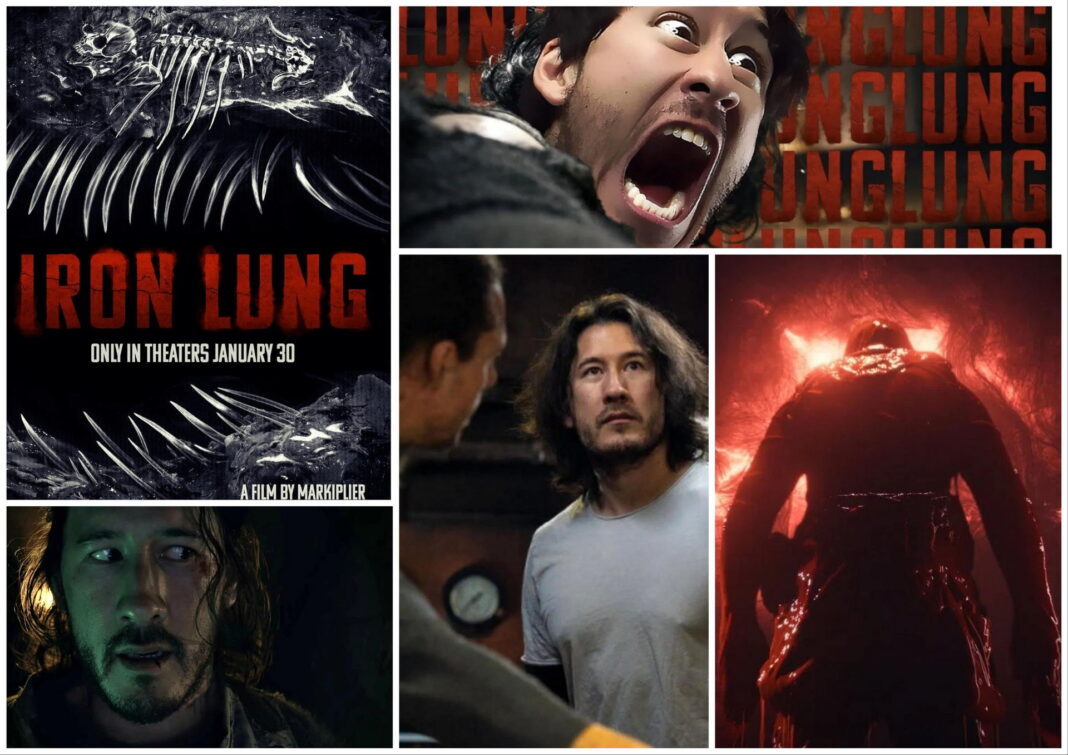


When Mark “Markiplier” Fischbach dropped the trailer for his indie horror film Iron Lung, the YouTube comment section exploded with the same question: “Wait, THAT was shot for only $21 million?” As someone who’s sat through countless studio horror flicks with triple that budget and half the creativity, I nearly spit out my cold brew. A YouTuber—granted, one with 35 million subscribers—just schooled Hollywood on how to make compelling cinema without lighting money on fire. And honestly? The industry should be sweating bullets right now.
The Creator Economy Just Flexed Its Muscles
Let’s talk numbers, because they’re absolutely wild. Iron Lung isn’t just some found-footage experiment shot in Markiplier’s backyard (though honestly, that would’ve been on-brand). This is a proper psychological horror film with practical effects, professional cinematography, and a marketing campaign that would’ve made A24 weep. The kicker? It was funded entirely through his YouTube revenue, merch sales, and fan support—no studio notes, no executive meddling, no test screenings that turn your third act into mush.
What makes this particularly spicy is the timing. While traditional studios are slashing budgets and canceling projects faster than Netflix cancels shows after one season, here’s a content creator saying “hold my energy drink” and dropping a feature that looks like it belongs in limited theatrical release. The film industry has spent years dismissing YouTubers as “not real filmmakers,” but Iron Lung proves that when you give creative control to someone who actually understands their audience, magic happens.
The budget breakdown is where things get really interesting. Industry insiders tell me that $21 million for a horror film—especially one with this level of production value—is basically impossible by studio standards. Studios would’ve burned through that just on above-the-line costs and marketing. But Markiplier’s team? They leveraged his existing fanbase for viral marketing, used practical effects instead of expensive CGI, and shot efficiently with a crew that genuinely cared about the project rather than collecting a paycheck.
Why Hollywood’s Gatekeepers Are Terrified
Here’s the thing that keeps studio execs awake at night: Markiplier didn’t just make a movie. He built an entire ecosystem that traditional Hollywood can’t replicate. When he announced Iron Lung, his fans didn’t just say “cool, I’ll watch it.” They created fan art, theories, cosplay, and essentially did the marketing department’s job for free. Try getting that kind of organic buzz for your standard studio horror release—I’ll wait.
The traditional indie film route is broken, and we all know it. You pour your soul into a project, max out credit cards, maybe get a small distributor who buries your film in algorithmic hell, and then watch it die quietly on some streaming platform’s bottom row. Meanwhile, Markiplier circumvented this entire depressing cycle by building his audience first, then creating content specifically for them. It’s so obvious it hurts.
But here’s where it gets really revolutionary: Iron Lung represents a new funding model that could completely upend how indie films get made. Instead of groveling to rich investors or hoping for a Sundance miracle, creators can leverage their existing platforms and audiences. Markiplier essentially crowdsourced his budget through years of content creation, proving that you don’t need to be beholden to anyone except the people who actually consume your art. In an industry where creators regularly get screwed by contracts and lose creative control, this level of independence is practically unheard of.
The ripple effects are already starting. Other major YouTubers and streamers are reportedly developing their own film projects, emboldened by Markiplier’s success. We’re potentially looking at a future where the next breakout indie filmmaker isn’t discovered at some film festival, but rather emerges from their bedroom studio with millions of built-in viewers. And honestly? That future can’t come fast enough.
Redefining Distribution: From YouTube Premiere to Global Screens
Markiplier’s decision to give Iron Lung a limited theatrical rollout before its streaming debut is a masterclass in hybrid distribution. Instead of the traditional “straight‑to‑Netflix” model that many indie horror projects default to, the film opened in select art‑house venues across North America and Europe, generating buzz on the red carpet that a YouTube premiere alone could never achieve. The theatrical leg not only satisfied the appetite of hardcore fans who love a night‑out at the movies, it also secured eligibility for awards consideration—a strategic move that positions the project alongside boutique studios like Markiplier
The table makes it clear: creator‑backed projects can out‑perform traditional low‑budget indie films when they harness a loyal fanbase and a data‑rich marketing engine. Moreover, the “pre‑sale” model—selling digital tickets or exclusive merch bundles before the film even hits the screen—provides a cash‑flow safety net that mitigates the risk of a box‑office flop.
Talent Migration: When YouTube Stars Become Hollywood A‑Listers
Markiplier’s transition from gaming personality to bona fide director is part of a larger migration trend. Studios are scouting YouTube, TikTok, and Twitch for talent who already command massive, engaged audiences. The appeal is simple: a built‑in fanbase reduces the marketing spend required to launch a new property. In the past year alone, we’ve seen creators like Liza Koshy land lead roles in boutique films, while others—such as the duo behind “The Try Guys”—signed multi‑picture deals with streaming giants.
What sets Markiplier apart is his hands‑on involvement in every production stage. He didn’t just lend his name; he sat in the director’s chair, consulted with the cinematographer on lighting ratios, and even helped design the practical effects that give Iron Lung its tactile dread. This level of creative control is a compelling selling point for studios that are increasingly willing to hand over “show‑runner” responsibilities to digital creators, recognizing that their instinct for pacing, humor, and audience expectation is honed by years of real‑time feedback loops.
Industry analysts predict that by 2030, at least 25 % of mid‑budget films (those between $10 M and $40 M) will have a primary creator‑driven influence, whether as director, producer, or star. The metric is already evident in the surge of “creator‑first” contracts that include profit‑participation clauses—something that would have been unheard of a decade ago.
What This Means for the Future of Indie Cinema
Markiplier’s $21 million gamble on Iron Lung isn’t an isolated experiment; it’s a proof‑of‑concept that the old gatekeepers—studio executives, test‑screen panels, and traditional financiers—are no longer the sole arbiters of what gets made. By marrying transparent, data‑driven fundraising with a hybrid theatrical‑streaming release, creators can retain artistic control, engage fans in the storytelling process, and still turn a healthy profit.
For the indie community, the takeaway is clear: the barrier to entry is dropping, but the bar for quality is rising. Audiences now expect production values on par with studio releases, and they’re willing to fund projects that deliver that promise. The next wave of indie horror, sci‑fi, or even romantic comedies will likely be birthed in the comment sections of YouTube videos, refined by community feedback, and launched on a blend of cinema screens and digital platforms.
As someone who lives at the intersection of pop culture and industry trends, I’m betting that the “creator‑first” model will become as commonplace as the streaming‑first strategy we saw a few years back. The real excitement isn’t just that Markiplier proved he can make a $21 M horror film; it’s that he opened the door for a generation of digital storytellers to walk straight onto the red carpet, armed with nothing but a camera, a community, and a clear vision of the future.