
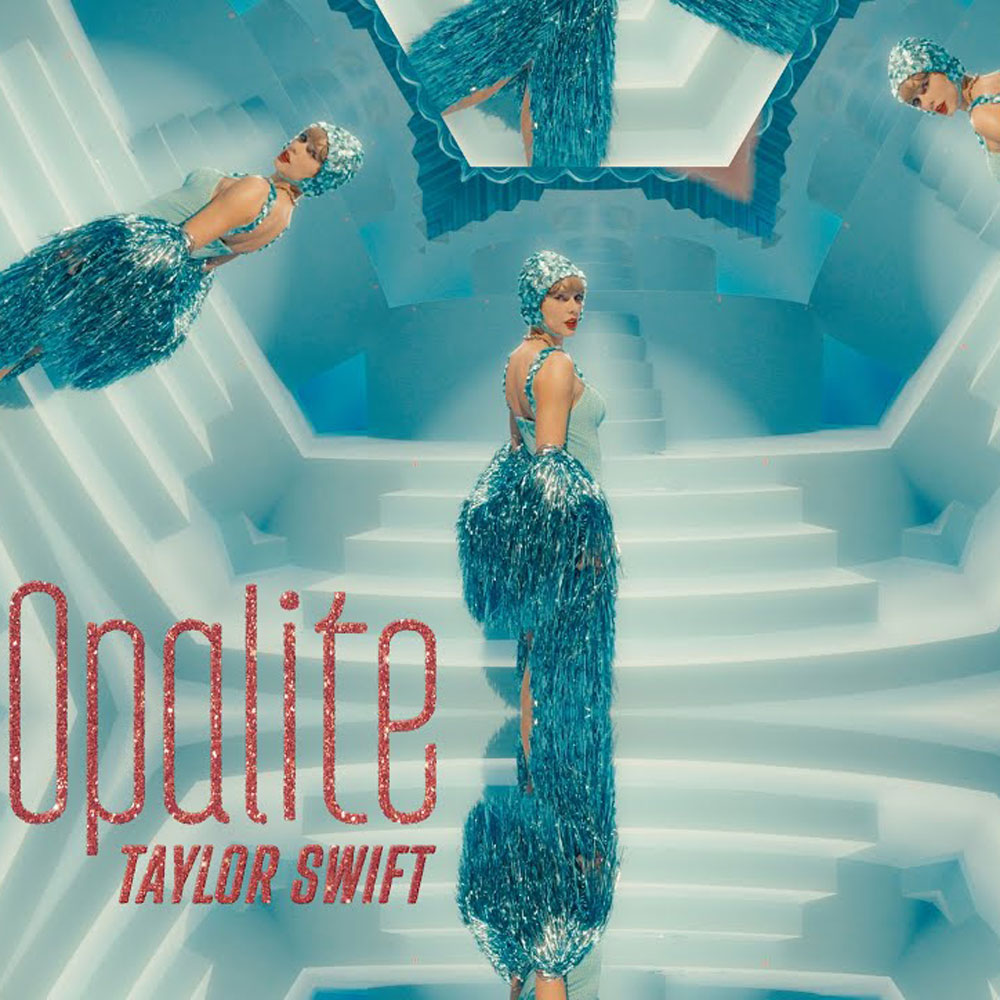


Pop sensation Taylor Swift released her latest music video “Opalite” today, delivering a visually striking production featuring an unexpected ensemble of celebrity cameos that has already generated significant buzz across social media platforms.
The “Opalite” Music Video: A Visual Feast
The “Opalite” music video showcases Taylor Swift’s continued evolution as a visual storyteller. Directed by Joseph Kahn, the production presents a surreal narrative sequence that unfolds through carefully choreographed scenes. The video employs an iridescent color palette that shifts between cool blues and warm oranges, creating a dreamlike atmosphere that complements the song’s themes.
The video’s narrative structure weaves together abstract imagery with concrete symbols. The opalite gemstone, a man-made glass variant, serves as the central metaphor representing clarity and transformation. This symbolism appears throughout the video through reflective surfaces, prismatic light effects, and costume choices that mirror the stone’s translucent qualities.
Kahn’s direction emphasizes practical effects over CGI, utilizing mirrors, projections, and creative lighting to achieve the video’s ethereal aesthetic. The production team constructed elaborate sets featuring moving walls and rotating platforms that create disorienting perspectives, enhancing the video’s otherworldly feel.
Surprise Guest Stars Make “Opalite” a Must-See
The video features strategic cameo appearances from Emma Stone, Zendaya, Billie Eilish, and Kendrick Lamar, each integrated into specific narrative segments. Stone appears in a mirror-based sequence that explores themes of self-reflection, while Zendaya’s segment incorporates dance elements that complement Swift’s choreography.
Eilish contributes to a haunting bridge section through whispered vocals and appears briefly in a shadow sequence. Lamar’s verse, filmed separately in a minimalist white space, provides contrast to the video’s more ornate visual elements. These collaborations extend beyond mere appearances, with each guest artist bringing distinct artistic elements to their respective segments.
The integration of these artists serves narrative purposes rather than functioning as simple celebrity endorsements. Each appearance corresponds to specific lyrical themes, creating a cohesive artistic statement that extends beyond traditional music video conventions.
What’s Next for Taylor Swift?
“Opalite” represents Swift’s continued experimentation with visual media, following her recent re-recording projects and surprise album releases. Industry analysts suggest this video may precede a larger visual album project or international tour announcement, though Swift’s team has not confirmed specific future plans.
The video’s release timing coincides with Grammy consideration periods, potentially positioning Swift for upcoming award nominations. Her recent pattern of releasing companion content to her visual works suggests additional material may follow, possibly including behind-the-scenes documentaries or alternate video versions.
Music industry observers note that Swift’s current trajectory involves increasingly complex visual storytelling that parallels her lyrical evolution. This approach positions her among contemporary artists who treat music videos as extensions of their artistic vision rather than promotional tools.
A Deeper Dive into the Symbolism of “Opalite”
The video’s symbolic language draws from multiple sources, including Greek mythology, alchemy, and modern psychology. Swift appears in various forms – as a figure trapped in glass, as a shadow moving independently, and as multiple versions of herself occupying the same space. These representations explore fragmentation and reintegration themes present throughout her recent work.
The mermaid-like imagery mentioned earlier connects to broader mythological traditions about transformation through water elements. The video’s aquatic sequences, filmed using practical effects in water tanks, create weightless movements that suggest emotional suspension and release.
Astrological symbols appear subtly throughout – lunar phases appear in lighting changes, while star patterns emerge through strategic spotlight placement. These elements connect to Swift’s documented interest in astrological symbolism, which she’s referenced in previous works and interviews.
The Impact of “Opalite” on Music Video Trends
The production techniques employed in “Opalite” demonstrate several emerging trends in music video creation. The emphasis on practical effects over digital manipulation reflects growing audience appreciation for tangible artistry. The video’s rotating set pieces and mirror work required extensive pre-production planning and precise execution.
The strategic use of celebrity cameos reflects evolving marketing approaches where surprise elements generate organic social media engagement. Rather than announcing collaborations beforehand, Swift’s team allowed viewers to discover these elements naturally, creating shareable moments that extended the video’s reach.
Industry publications have noted increasing adoption of similar approaches, with artists like The Weeknd and Billie Eilish employing comparable surprise tactics in recent releases. This trend suggests movement away from heavily promoted collaborations toward organic discovery experiences.
The Cultural Significance of “Opalite”
The video’s exploration of transformation themes resonates with contemporary discussions about personal growth and reinvention. Swift’s narrative approach – using abstract imagery rather than literal storytelling – allows viewers to project their own experiences onto the visual elements.
The timing of “Opalite’s” release, during a period when many are reassessing personal and professional trajectories, gives the video added cultural relevance. The themes of breaking through barriers and emerging transformed align with broader societal conversations about resilience and adaptation.
Academic analyses have begun examining Swift’s work through lenses of feminist theory and media studies, with “Opalite” providing rich material for discussion about female artistic agency and control over one’s narrative. The video’s emphasis on multiple perspectives and fragmented identity reflects contemporary discussions about identity formation in digital spaces.
In conclusion, Taylor Swift’s “Opalite” music video represents a sophisticated addition to her visual catalog, combining technical innovation with layered symbolism. The production’s integration of guest artists, practical effects, and thematic depth creates a multifaceted work that rewards repeated viewing and analysis. For more information on Taylor Swift and her music, visit her official website.